




CTV Has an Ad Load Problem. Smart TV Gaming Is the Way Out.

By André Swanston, Founder & CEO, PHȲND
CTV ad spend is projected to hit roughly $38 billion in 2026. By most measures, that’s a banner year. Dollars are “streaming” into the biggest screen in the house at a healthy clip, and the headlines treat it as an unqualified win.
Look closer, and the story changes. Ad loads on CTV are climbing — platforms are stretching the same library of shows and movies with longer, more frequent breaks — yet advertisers are still paying more to reach the same audiences in that content. More interruptions, higher costs, no more premium programming to show them in: that’s not growth, it’s dilution.
More Spend, Same Space
Here are the mechanics of the problem. Ad-supported streaming platforms have a fixed amount of programming: some original programming, licensed content, and a handful of live sports packages. As more ad dollars pour in, the industry’s answer has been to sell that same shelf space more aggressively, with longer, more frequent breaks and tighter competitive separation windows. Advertisers are effectively bidding each other up for slots to reach the same audiences in the same context.
When supply doesn’t expand alongside demand, the market doesn’t grow. [DW1.1]It just gets more expensive to occupy the same real estate. Meanwhile, audience interruptions are longer and more frequent, diluting attention and eroding the viewing experience. Nobody wins except the sales teams closing this quarter’s number.
A Better Choice
A new form of living room-based entertainment is on the rise. Smart TVs are expanding from passive viewing screens to interactive gaming devices, thanks to the same cloud-based technology that powered the streaming revolution. And almost none of that engagement has been packaged for advertisers.
Consumers can now stream quality video games directly to their televisions, with no console. Nearly all these smart TV gaming platforms require paid monthly subscriptions, and most are geared toward gaming enthusiasts, limiting their reach.
Ad-supported smart TV gaming options have quickly followed, mimicking the evolution of CTV. Remember the 2015 headlines that TV advertising was dead? Today, most streaming TV is ad-supported. The same will happen with smart TV gaming. Free ad-supported smart TV gaming, requiring no subscription and no gaming hardware, is already available to tens of millions of U.S. homes. Already, more homes have access to ad-supported smart TV gaming than own a gaming console. That’s a signal that a meaningful share of big-screen attention is moving somewhere the ad industry has yet to follow.
Gaming sessions on TV don’t look like a rerun. Players are leaning in, not scrolling past. High attention is coupled with session lengths that exceed a typical streaming episode. And unlike console-based game advertising, smart TV gaming is compatible with standard ad formats and is transacted and activated using familiar CTV workflows. At the same time, the medium is ripe for innovative ad forms, including sponsored sessions, branded in-game moments and gamified messaging. No matter the format, all ads are non-intrusive, respecting players and game flow. This is inventory that didn’t exist eighteen months ago, on a screen that already has a budget.
Why Waiting Is the Expensive Move
Emerging ad categories follow the same arc: early movers access prime inventory at competitive rates. They also help define how the medium is measured, packaged, and valued. Look no further than Connected TV for proof. The brands that came in early wrote the playbook and negotiated the most favorable deals.
Smart TV gaming is where CTV was a decade ago. Legacy technology is being replaced. The format has proven to hold attention in ways traditional video increasingly does not. Audience is growing rapidly, and with more than 2X as many households owning smart TVs as consoles, the upside is enormous. What’s missing isn’t demand from consumers. It’s advertisers treating this as a real, buildable category today rather than a “wait and see” line item.
About the Author:
André Swanston is Founder & CEO of PHȲND, a free cloud gaming platform built for smart TVs.
You May Also Like
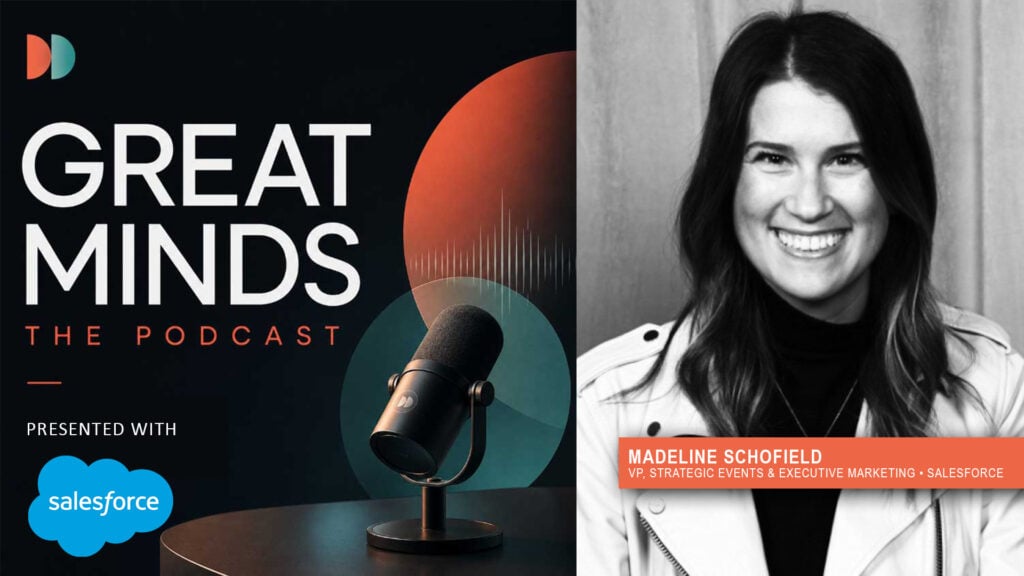
People Still Buy From People Featuring Madeline Schofield of Salesforce
Joining us is Madeline Schofield, VP, Experience Strategy and Executive Marketing at Salesforce, fresh from Dreamforce.
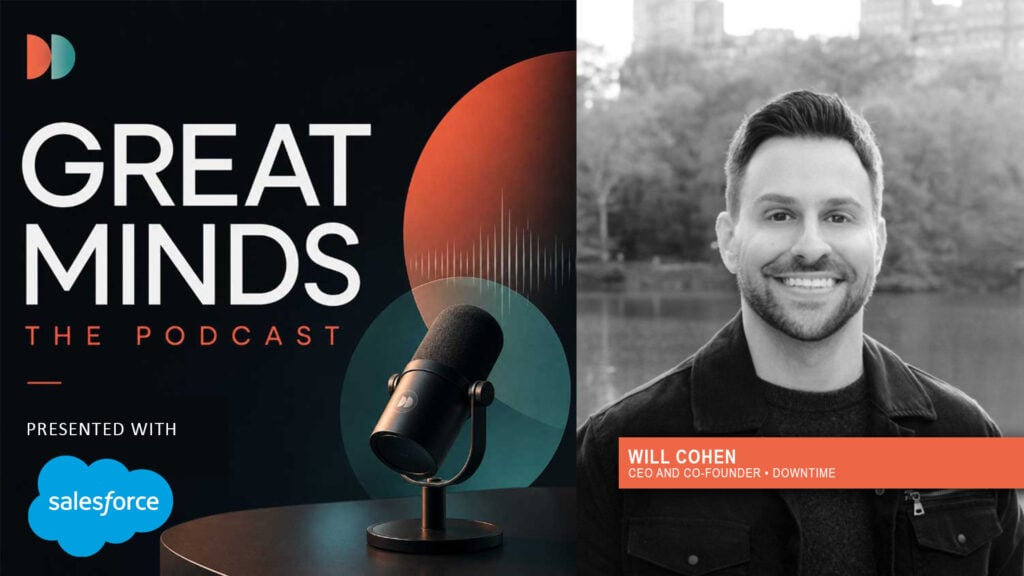
Giving Shoppers a Say Featuring Will Cohen of Downtime
Joining us is Will Cohen, CEO and Co-Founder of Downtime, whose background in retail media led him to build a business around customer participation.
Give People Something Worth Talking About with Pauline Oudin from Gradient Experience
Today, we’re joined by Pauline Oudin, CEO of Gradient Experience, an experiential agency working across luxury, spirits, beauty, and technology.