Brand Control Is Holding the Best Social Ideas Back
By Paddy Smith, Chief Creative Officer, Born Social
What if the smartest thing a brand can do right now is stop trying to control the conversation?
Fewer predetermined restrictions, more room to breathe. Giving people something that is not designed to be simply consumed, but something that creates space to be remastered.
The best social ideas at the moment don’t feel like ads. They feel more like things people pull into their own lives and that’s the shift a lot of brands still haven’t properly caught up with.
UGC spent years being treated like a bonus that came after the campaign. The bit where audiences reposted the work, copied the format or stuck a trending sound over it. Useful for reach, maybe for engagement, but rarely seen as central to the idea itself.
But increasingly it’s becoming the thing the whole idea is built around.
The best ideas deploy strength not as rigidity but as fluidity, focussing on the creation of something that acts as a jumping off point rather than a fully formed concept.
People want to add their own humour, routines, tastes and experiences into the work. The brands winning in social are the ones confident enough to let that happen.
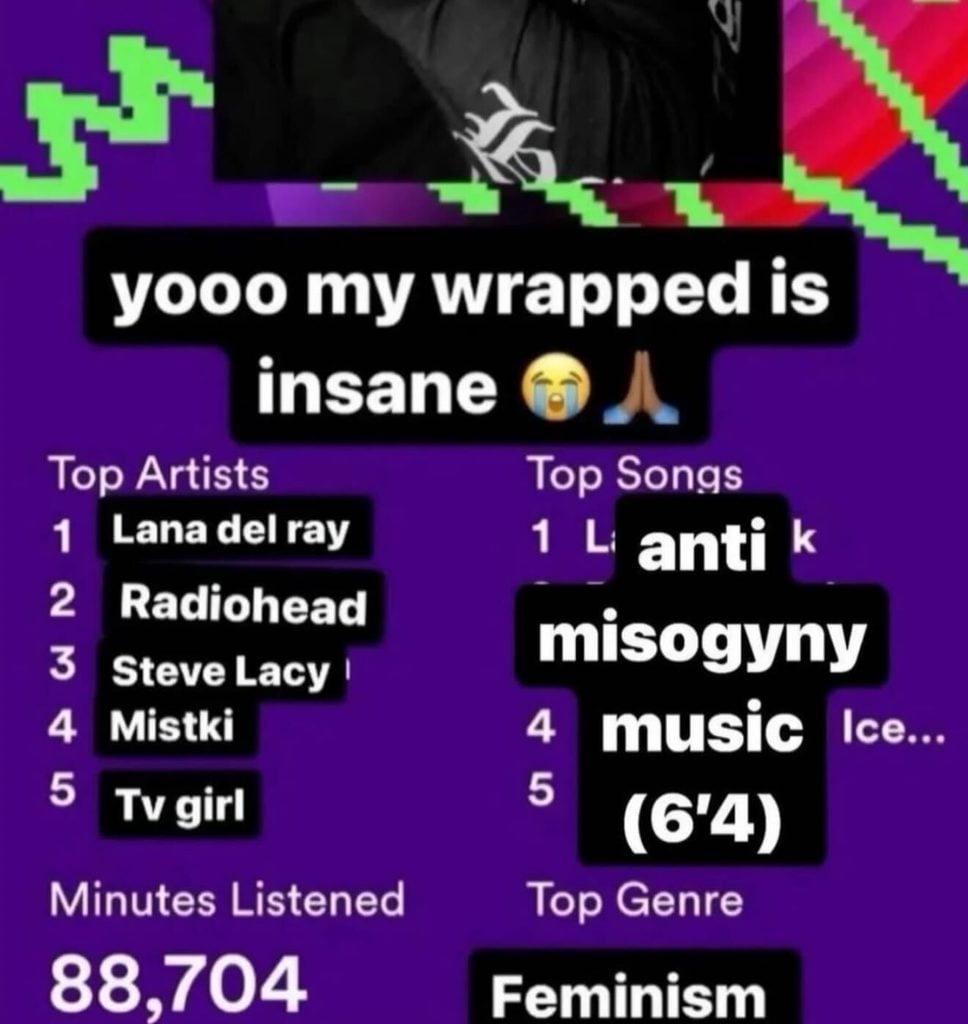
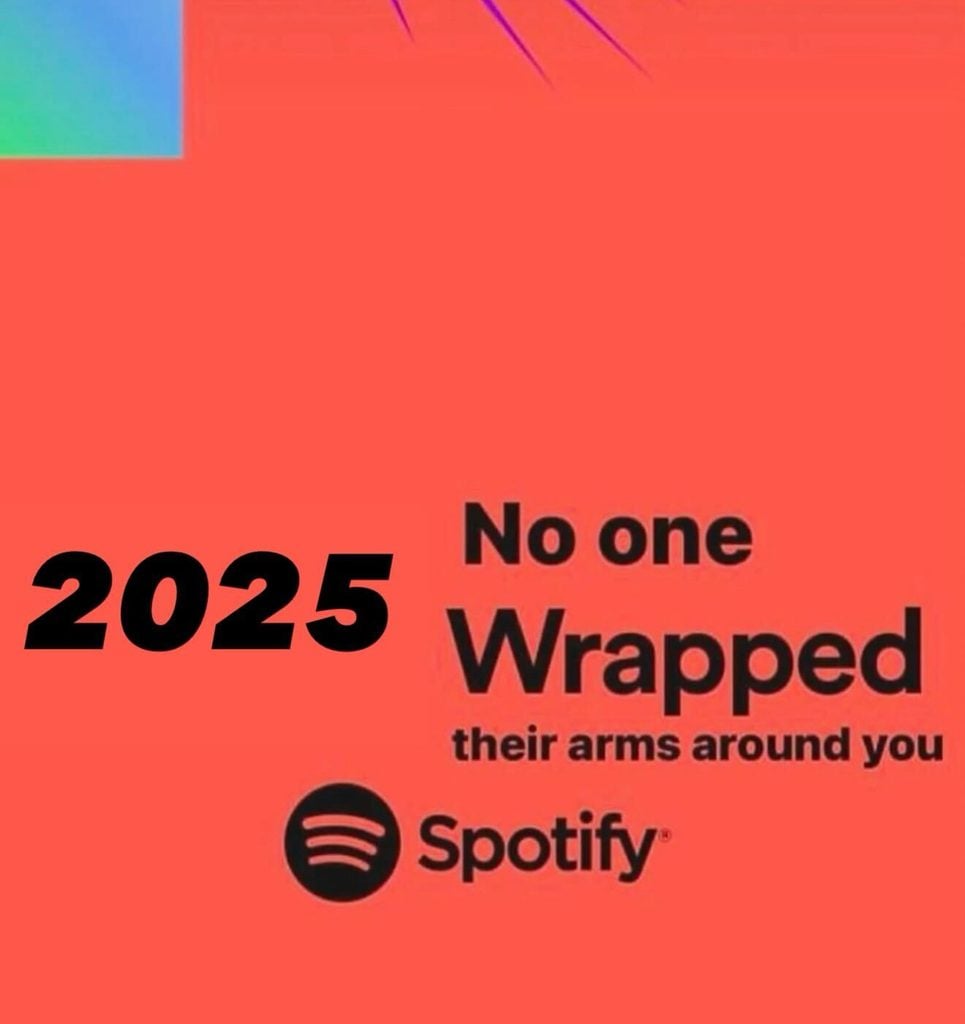
Take it all the way back to Spotify Wrapped, the OG of the audience driven idea. The platform only becomes culturally meaningful once millions of people start reshaping it around their own identity, humour and taste.
Since then, there have been countless great examples of this, and yet a lot of advertising still struggles with it.
There is still a gap between what we know creates authentic momentum and how serious brands approach risk and reward. Leaving space takes confidence. The moment pressure starts building, most brands instinctively fill it. Another logo. Another message. Another attempt to explain exactly what people should think.
But the stuff people actually care about rarely works like that.
The most interesting social ideas usually leave a bit of space. Space for people to remix them, parody them, personalise them or take them somewhere the original creators probably didn’t expect. In most cases, that’s not the audience “losing the message”. That is the message.
Guinness’ Pint of View is a good example of this. The idea worked because people immediately started folding their own routines, pub rituals and perspectives into it. The internet filled in the gaps. Suddenly the campaign stopped feeling like a fixed piece of brand comms and started feeling more like a shared social behaviour.
And honestly, it makes the work better.
Because social gives brands something traditional advertising never really could: a live view of how people actually use products in their everyday lives. The strange habits. The in-jokes. The unexpected emotional connections. The tiny behaviours nobody would ever say out loud in a focus group but will happily post about to close friends.
You can see it in work like Vaseline Verified, where the most interesting part wasn’t the brand talking about the product – it was seeing all the inventive ways people were already using it in real life. Social became less of a media channel and more live lab.
You can’t really fake your way into that.
At the same time, people are becoming increasingly numb to passive scrolling. Feeds are full of hyper engineered creative, built on attention blueprints that strive for half a second of comprehension before disappearing forever. Most of it leaves absolutely nothing behind.
So it’s not surprising that audiences are gravitating towards ideas that feel more playful, tactile and human instead. Things they can actually do something with.
That might mean creator interpretations that feel more valuable than the original asset. It might mean campaigns that reduce obvious branding cues instead of forcing attribution into every frame. Or just ideas rooted in small, relatable moments people instantly recognise from their own lives.
The common thread? The audience gets to leave fingerprints on the work.
And the brands secure enough to allow that usually end up feeling far more culturally relevant as a result.
Ironically, some of the best social work right now is also the stuff encouraging people to briefly stop behaving like “users” altogether. To notice something offline. To get out of passive consumption mode for a minute. And then to share the experience on social.
UGC has grown up. It’s no longer just social amplification bolted onto the side of a campaign after the real creative decisions have already been made.
For a lot of the smartest brands, it’s becoming the starting point instead.
You May Also Like
The Geolocation Ban Isn’t a Compliance Problem. It’s a Technology One.
For years, precise geolocation sat near the top of every performance marketer’s wish list. It offered something most targeting signals could not: a direct link between where a consumer was and what they were likely to do next. Store visit attribution, competitor proximity targeting, location-based audience enrichment – these became core to a meaningful subset of performance and location-based advertising strategies.
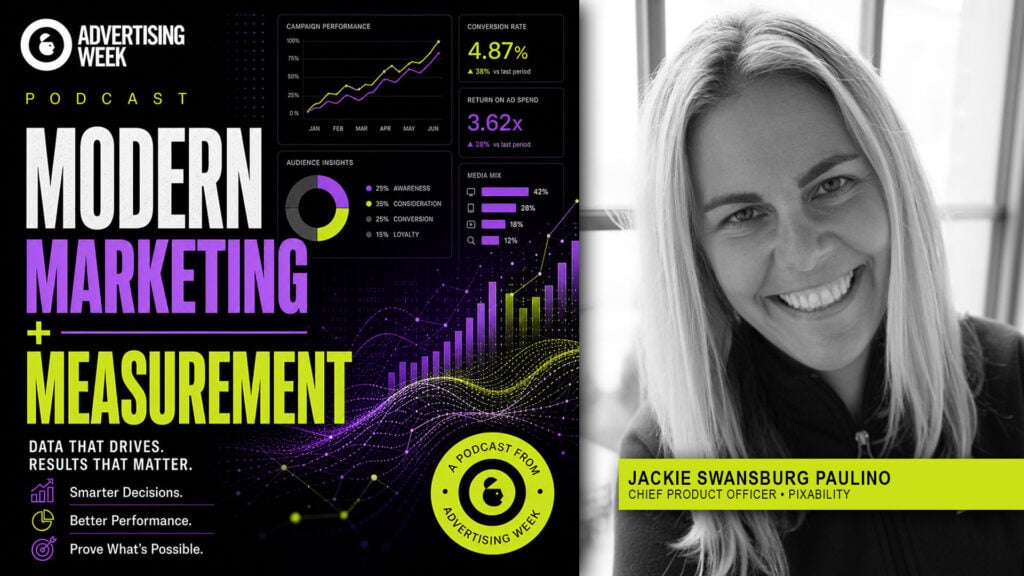
YouTube Is Doing More for Your Brand Than You Think, Featuring Jackie Swansburg Paulino, Pixability
In this episode of Modern Marketing and Measurement, we talk with Jackie Swansburg Paulino, Chief Product Officer, Pixability, about giving YouTube the attention it deserves in the marketing plan.

Your YouTube Strategy Needs Everyone at the Table
The PR team has the creator relationships, the media team has the advertising budget, and somewhere in the middle is the brand’s YouTube channel. In my conversation with Jackie Swansburg Paulino, Chief Product Officer at Pixability, we talked about what those teams could accomplish if they shared more of what they know.