Evolving Commerce Media: How Offsite Unlocks the Full Funnel

By Taylor Stewart, VP, Growth and Emerging Channels at TripleLift
Commerce media spent the last decade proving one thing exceptionally well: onsite ads drive immediate conversions. But treating commerce media purely as a bottom-funnel sales tool leaves most of the customer journey untouched.
The real growth lies offsite. That doesn’t mean simply exporting retail data onto the open web as another targeting tactic. The real opportunity is combining commerce intelligence with context and creative to engage buyers earlier, when they are building intent rather than just checking out.
Consider someone reading an article about buying a home. They aren’t on a retail site yet, but they are a prime audience for a furniture brand, home improvement store, or bank. The commerce signal identifies the buyer, context captures the moment, and tailored creative determines how the brand shows up. That is how offsite evolves commerce media from a bottom-funnel extension into a full-funnel strategy.
The Missing Ingredient Is Orchestration
This is also why simply making more commerce data available won’t automatically make offsite commerce media better. The industry has an orchestration challenge.
Retailers possess valuable signals about consumer behavior. The supply side understands how to activate those signals across media environments. Advertisers and agencies are responsible for translating them into brand experiences that resonate. This creates a more sophisticated model than simply identifying a shopper and serving them an ad. It could mean introducing a brand story when awareness is the goal, delivering a product-focused experience as consideration develops and ultimately creating a path to purchase when the consumer is ready to act.
The goal shouldn’t be to follow consumers around the internet with increasingly precise retargeting. It should be to understand where a brand can add value throughout the journey. That requires supply-side partners to play a larger role in connecting commerce and supply signals to create a cleaner path to consumers and a better experience for them. Rather than relying solely on modeled behavior, brands can use signals from the content consumers are engaging with in the moment, whether they’re browsing, streaming or shopping, to make advertising more contextually relevant.
Measurement Has to Follow the Full Funnel
A broader role for commerce media also requires a broader definition of success. Right now, there is a gap between the potential of commerce media and how it is evaluated. While 71% of advertisers primarily use commerce media for conversions, only 15% say it is most effective as a full-funnel marketing channel.
Offsite success cannot be judged solely by whether an ad generated an immediate checkout. The real question is whether the interaction built intent, shifted perception, or introduced a brand to a new customer before they were actively shopping.
When you align commerce intelligence with upper-funnel touchpoints, you don’t have to guess if it worked – you can connect those early interactions directly to business outcomes.
Take a recent offsite campaign we executed alongside Stackline for a global tech brand:
- 75% of purchases came from first-time buyers: 3 in 4 sales were brand-new customers – demonstrating true incremental customer creation rather than simple demand capture.
- +50% CPC efficiency: Achieved significantly lower acquisition costs against industry benchmarks.
- 47% higher ROAS: Delivered strong revenue lift compared to standard video benchmarks.
Expanding the funnel does not require sacrificing performance discipline. When offsite media is made relevant upstream, it naturally produces stronger, independently verified outcomes downstream.
AI Will Raise the Stakes
The industry is moving toward a broader view of commerce media. But the growth in shoppers using AI is adding new urgency. Nearly 40% of U.S. consumers have already used generative AI when shopping online, especially for research and product recommendations. That changes what relevance means.
Consumers provide AI systems with information about what they need, why they need it and the circumstances surrounding their decisions. Discovery is becoming less about a static audience segment and more about intent and context. That creates a new challenge. If the industry approaches AI with the same mindset it has often applied to onsite commerce media, it risks reducing a fundamentally contextual experience into another performance channel.
Offsite is effectively commerce media’s training ground for this next interface. It forces the industry to move beyond the relative simplicity of reaching a shopper on a retailer’s owned property. It requires commerce signals to work alongside supply-side intelligence. It demands better coordination between audience, media and creative. And it requires advertisers to think about outcomes across the full consumer journey rather than only at the point of purchase.
The same principles that make offsite commerce media effective – relevance, context, creative and orchestration – will become even more important as consumers increasingly turn to AI to discover and evaluate products. If brands can’t connect commerce intelligence to context and creative across today’s open web, simply moving those audiences into an AI interface won’t solve the problem.
Relevance, Not More Ads
The future of commerce media isn’t about finding more places to put a retailer audience. And the future of advertising in AI isn’t about figuring out how to insert the maximum number of sponsored products into a conversation. Both depend on the same underlying capability: understanding the consumer, understanding the moment and creating an experience that is actually relevant to both.
Commerce media has already proven it can connect advertising to commerce outcomes. Its next challenge is proving it can influence the entire journey from awareness and consideration through conversion and loyalty.
You May Also Like
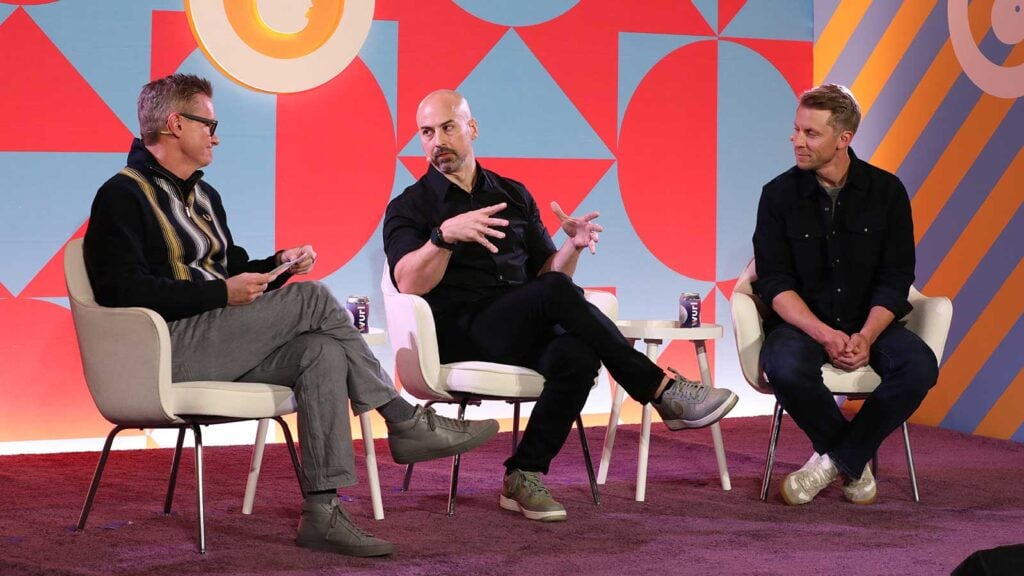
The Entertainment Revolution: Why Brands Need to Think Beyond the Screen
As gaming, streaming and social media reshape how audiences experience entertainment, marketers face a fundamental challenge: Learning to participate in culture rather than simply advertise alongside it.

More Than the Game: Earning a Place in the Fan Conversation
Ann Piper, Head of Sales for the Americas at Spotify, moderated the discussion with Angela Steele, Chief Client Officer, U.S. at WPP Media; Wes Harris, Director of Marketing for YouTube TV at Google; and Juliet Litman, Director of Talent and Operations at Spotify Podcast Studios.

Traditional Attribution and Promo Codes Share the Same Blind Spot
Traditional attribution and promo codes share the same blind spot.