Gaming Has Grown Up. Now Marketers Need to Catch Up
By R. Larsson, Advertising Week
Gaming has spent years trying to convince advertisers that it deserves a place alongside traditional entertainment, sports and digital media. That argument has largely been settled, but a more complicated challenge has emerged: helping brands understand how to participate in gaming culture without misunderstanding the audiences they want to reach.
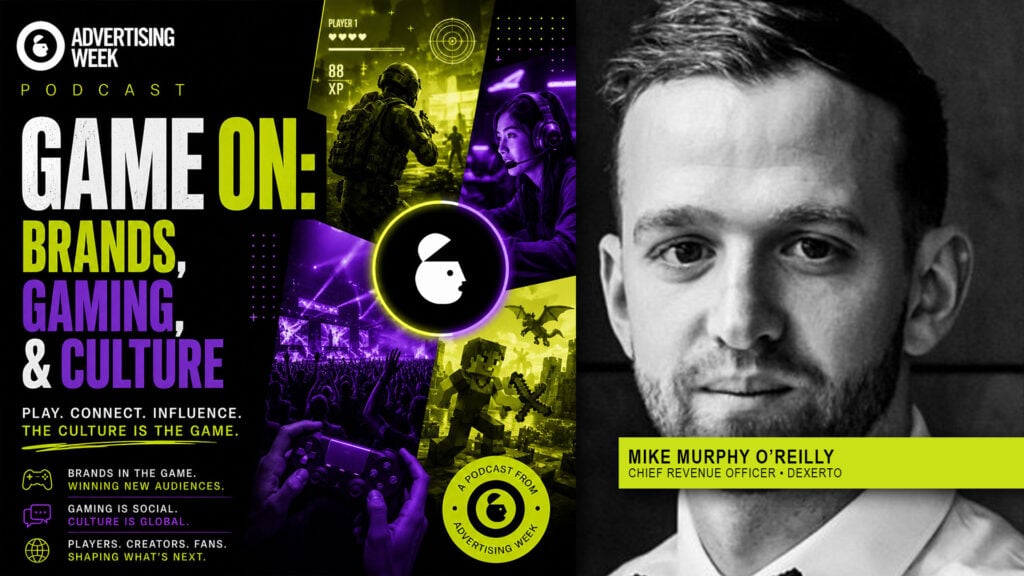
In a recent episode of Advertising Week’s Game On: Brands, Gaming & Culture podcast, Mike Murphy O’Reilly, Chief Revenue Officer of Dexerto, joined us to discuss the changing relationship between brands and gaming audiences. Their conversation explored everything from the cultural significance of major game launches to the challenges of measurement, fragmentation and creating marketing experiences that players actually welcome.
Gaming Is a Culture, Not a Demographic
One of the biggest mistakes marketers continue to make is treating gaming as a single audience. The reality is considerably more complex, with different games, platforms, creators and communities attracting audiences whose interests, behaviors and expectations can vary dramatically.
A fan of competitive esports may have little in common with someone who spends their evenings playing casual mobile games, just as audiences following gaming personalities on YouTube or Twitch aren’t necessarily interested in the same content. Marketers already understand these distinctions in categories like professional sports and music, but gaming strategies frequently lack that same level of sophistication.
The opportunity is to move beyond the assumption that gaming audiences share a common identity simply because they play games. Understanding the culture surrounding individual titles and communities is increasingly important to identifying where a brand belongs and what it can realistically contribute.
The GTA VI Opportunity Extends Beyond the Game
Few entertainment releases illustrate gaming’s expanding cultural influence better than the anticipation surrounding Grand Theft Auto VI. The franchise has evolved beyond conventional video game entertainment into a cultural phenomenon capable of generating enormous attention across social media, streaming platforms, online publications and mainstream entertainment coverage.
For brands, the opportunity surrounding a major release isn’t necessarily about advertising within the game itself. The broader ecosystem of creators, communities, commentators and publications provides multiple ways to participate in conversations that extend well beyond gameplay.
This represents an important shift in how marketers should evaluate gaming opportunities. A major launch can function much like a championship sporting event or blockbuster film release, creating a cultural moment in which audiences engage with content before, during and long after the central event.
Brands that understand those surrounding behaviors may find more relevant opportunities than those focused exclusively on securing a direct connection to the game.
Give Players Something Worth Their Attention
The most effective gaming campaigns recognize that audiences are participants rather than passive consumers of entertainment. Interrupting their experience with conventional advertising may generate exposure, but creating something useful, rewarding or entertaining offers a stronger foundation for engagement.
O’Reilly pointed to Monster Energy’s promotional relationship with Call of Duty as an example of how brands can create value through relatively straightforward activations. By connecting product purchases with gaming rewards, brands can establish a relationship that feels relevant to the player’s existing interests rather than disconnected from them.
The underlying principle extends to creator partnerships, exclusive content and branded gaming experiences. Successful activations don’t necessarily require elaborate virtual environments or expensive technological experimentation, but they do require an understanding of why an audience would choose to participate.
For marketers, that distinction is particularly important as competition for attention intensifies. Gaming communities have plenty of entertainment options, and brands that contribute something meaningful have a better opportunity to become part of the experience.
Fragmentation Makes Measurement More Important
Gaming’s continued expansion has created more opportunities for advertisers, but it has also made the landscape more difficult to navigate. Audiences are distributed across an increasing number of games, platforms, communities and content formats, complicating decisions about investment and campaign evaluation.
This fragmentation challenges marketers accustomed to applying consistent strategies across established media channels. What works within one gaming community may deliver entirely different results elsewhere, making it difficult to develop a universal approach to creative execution, audience targeting or performance measurement.
Better data and more sophisticated measurement are essential, but so is recognizing that gaming campaigns can serve different objectives. Brand awareness, community engagement, purchase consideration and direct sales aren’t interchangeable outcomes, and each requires a different understanding of success.
Rather than approaching gaming as a collection of disconnected experiments, brands need to develop strategies that connect individual activations to broader marketing objectives.
From Experimentation to Long-Term Strategy
The industry’s next stage will be defined less by whether brands participate in gaming and more by how intelligently they invest. As gaming continues to influence entertainment, commerce and popular culture, the distinction between gaming marketing and broader cultural marketing is becoming increasingly difficult to maintain.
That doesn’t mean every brand needs an esports sponsorship, a creator partnership or a presence inside a virtual world. It means marketers need to understand where their audiences spend time, what those audiences care about and how their brands can contribute without disrupting the experience.
The larger lesson from O’Reilly’s conversation is that effective gaming marketing requires the same strategic discipline as any other established advertising category. Brands that invest in understanding communities, building meaningful relationships and measuring the right outcomes will be better positioned than those simply chasing the next major gaming trend.
Gaming no longer needs to prove its cultural relevance. The challenge now belongs to marketers, who must demonstrate that they understand the culture well enough to become a meaningful part of it.
You May Also Like
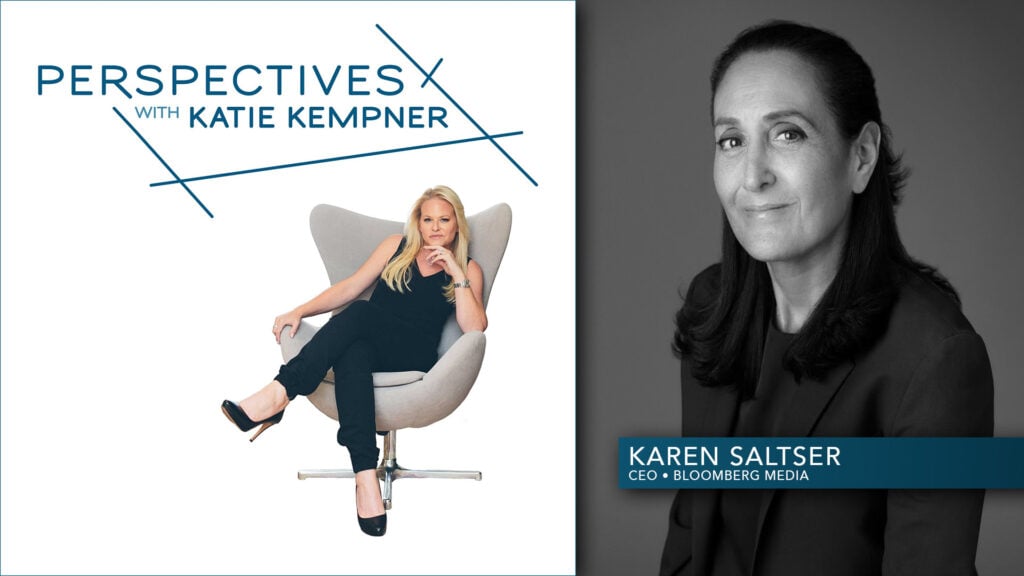
Karen Saltser, CEO of Bloomberg Media
Join Katie as she talks with Karen Saltser, CEO of Bloomberg Media, about her remarkable journey to the top of one of the world’s most influential media companies.
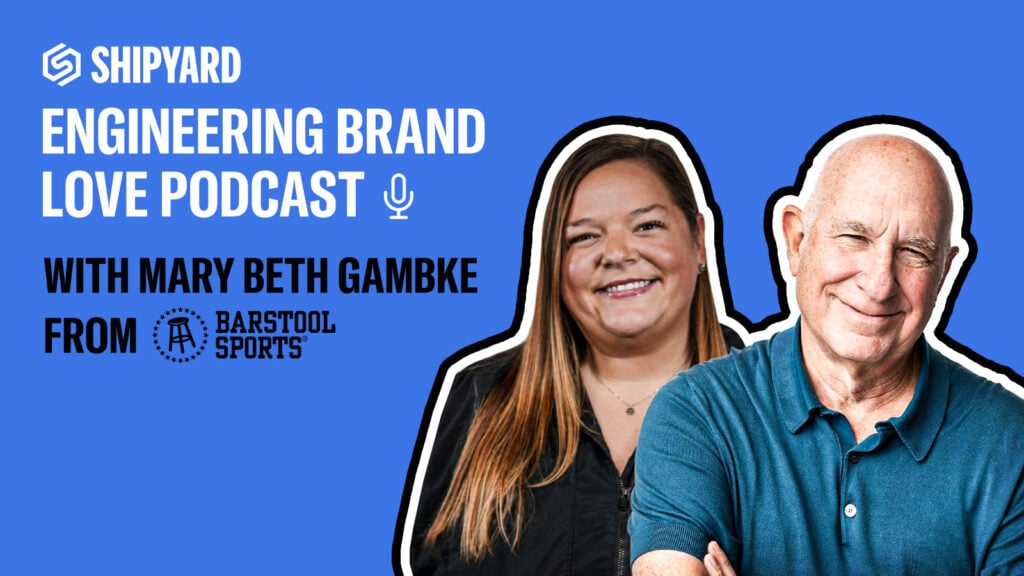
Let Creators Cook: Barstool’s MB Gambke on Turning Fan Trust into Brand Love
Recorded live at AWNY 2026, Rick sits down with Barstool Sports’ SVP, Partnerships & Marketing, MB Gambke to explore how trusted personalities, passionate communities, and fast-moving partnerships bring brands into the conversation.

An AI Writing Brief Needs Facts That Cannot Change
Imagine asking AI to make an agency’s website offer more compelling. In this hypothetical example, projects start at $3,000 for five pages, copywriting costs extra, and the build usually takes four weeks after the client supplies final copy.