




Shopping for Good Impressions Requires More Than SPO
By Andrew Altersohn, President and Co-Founder SWYM.ai
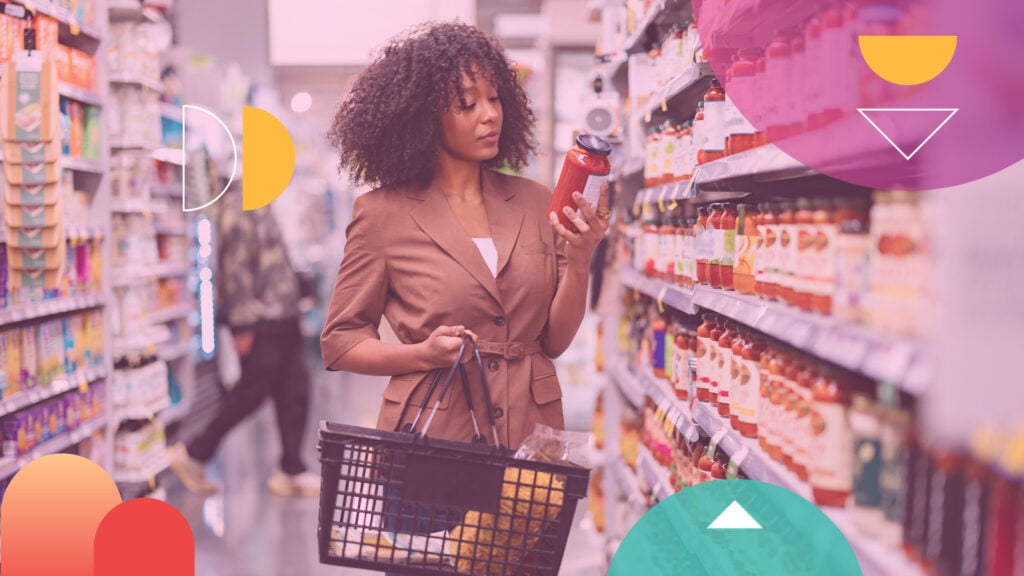
Shopping for groceries requires decision making that isn’t that different from the decisions media buyers use to select ad impressions.
The first layer is selecting the grocery stores, much like selecting SSPs. Depending on what you’re buying for, you might prioritize different things: Stop and Shop might be closest to your house, Whole Foods has more organic food, Costco is a little cheaper, while another store might have great snacks but a terrible parking lot (I’m looking at you Trader Joes.)
Based on your typical cooking habits, you tend to narrow it down to one or two favorites, since most stores have a big overlap when it comes to the things you buy all the time like milk, bread and eggs – no need to hit every store.
Compare that grocery store example to SPO. If you’re buying media to reach a target audience, you can reach most of that audience with any of the major SSPs. The difference is on the margins. One SSP might have more DOOH inventory or have a specific data integration. But you certainly don’t need to buy across every SSP for every campaign.
SPO works well to narrow down the choices to a few partners, just like picking one or two grocery stores helps minimize the complexity of driving all over town every day.
Going Into the Store
SPO is an important step in creating a smart media strategy. But, just like there are ways to maximize your choices once you get in the grocery store, there are a lot of ways to get the right impressions beyond SPO.
After SPO, your next job is to select the best impressions at the best prices. This is where understanding the mechanics of programmatic becomes crucial to becoming a smart shopper.
Whichever grocery store you choose carries thousands of products. Some are high quality. Some are mediocre. Some are overpriced. Some are exactly what you need. Buying impressions is similar, but the rules of media buying are a bit more complicated that grocery shopping, and this can cause issues:
- Not all products are on the shelf: If you walk through a major grocery store, you can be pretty sure that everything you want is out on the shelf. If the shelf is empty, there’s usually a sign for it and you can ask a stocker if there is any left in the back. In programmatic, up to 50% of all “products” (i.e. impressions) aren’t on the shelves, and there aren’t any signs indicating that they even exist. This is because DSPs throttle most impressions, so you never see them.
- Most of the products are wrong: DSPs and SSPs don’t communicate and so they don’t learn your preferences. This means you’re evaluating lots of irrelevant impressions to find what you want, which is a waste. And worse, you have to keep doing it over and over again with no improvement.
- Your prices are artificially high: Unlike a store where items have price tags, impressions are bought in an auction. Often, you bid against yourself for the impressions you want most because there are so many paths to get to one impression. This costs you extra money.
Time for a Better Shopping Experience
Savvy media buyers are working to solve the current impression-level issues in programmatic. New innovations including containerization, supply shaping and curation make it easier for buyers to see every impression before the bid and before DSP throttling happens. AI-driven optimization technology can help buyers infuse intelligence into their election process and access more and more of the impressions they want over time. And while SPO has reduced some waste, supply chain simplification at the bid level can lower duplicate bidding and waste even further.
Picking the right programmatic partners and picking the right grocery store does matter. But once you pick those partners, there are additional strategies you can employ to get significantly better impressions. Just like a grandmother who gets to know everyone at the store and always gets the freshest products, it pays to get to know what’s happening in programmatic and find out how you can get better impressions beyond SPO.
You May Also Like

The Playbook for Building an AI-Ready Decision Layer
Preparing for agentic AI doesn’t require replacing the entire martech stack. It starts with improving the quality, accessibility, and consistency of consumer intelligence within existing systems.
Brittni Hutchins, President of Venables Bell + Partners
Join Katie as she talks with Brittni Hutchins, President of Venables Bell + Partners, about celebrating the agency’s 25 years of creative excellence.

How Publishers Can Play a Bigger Role in the Nonprofit Economy
The broader shift underway is not about replacing existing demand sources, but about expanding how publishers think about allocation.