




The Future of TV Targeting Is Intent, Not Behavior

By Jason Fairchild, CEO and Co-Founder of tvScientific by Pinterest
For most of the digital advertising era, targeting has been built around behavior.
What did someone search? What did they click? What did they buy? What site did they visit? What app did they use? Which audience segment do they resemble based on past actions?
That model reshaped advertising. It made media more measurable, more responsive, and more efficient. It helped build some of the biggest advertising businesses in the world.
It also trained marketers to think about targeting as a backward-looking exercise.
Behavioral targeting works by studying what people have already done. That can be useful, but it has a structural limitation: by the time a consumer’s behavior is obvious, the market is already crowded. Every advertiser can see the same signal, which means every advertiser is chasing the same conversion and bidding on the same bottom-funnel moment.
That is why the future of TV targeting will be built not on behavior, but intent.
Behavioral targeting was built for a different era
Behavioral targeting emerged in an era when the main opportunity was making digital media more accountable.
Marketers needed better ways to find people, measure response, and optimize budgets. Past behavior became the easiest available proxy. If someone searched for running shoes, visited a travel site, downloaded a finance app, or purchased a similar product, that activity became a targeting signal.
For years, this worked well enough.
But the performance marketing environment has changed. The channels that capture demand are now crowded and expensive. Most brands have access to the same platforms, the same tools, and many of the same consumer signals. Once a customer has entered the market and demonstrated clear buying behavior, the auction is already hot.
Another problem with behavioral targeting is that it treats a single action as the entire story. A consumer researches a product, makes a purchase, and then continues to be targeted based on that same signal long after it has lost relevance. This is how you get ads for the exact thing you’ve already purchased.
The consumer gets a poor experience, and the advertiser wastes budget competing for a signal that in many cases, has already expired.
This is not a great recipe for durable growth.
It may produce conversions, but often at rising costs and diminishing efficiency. It also narrows the role of advertising to demand capture, when the better opportunity is to influence demand before it becomes obvious.
Growth comes from influencing decisions earlier
The most valuable customers are not always the ones who have already clicked, searched, or added something to a cart.
Often, they are the ones still planning, comparing, and imagining what they want next. For example, instead of waiting until someone searches “affordable swimsuits” in a search engine, a brand can move further upstream and reach that shopper while they’re researching tropical vacations on a discovery and planning platform.
That planning phase is where brands can earn consideration before the consumer becomes expensive to reach. This is the fundamental difference between behavior and intent: Behavior tells you what someone did. Intent helps you understand what someone is likely preparing to do.
That distinction matters because modern consumer journeys rarely happen in a straight line. People discover in one environment, research in another, validate somewhere else, and convert later. A person planning a vacation, a home renovation, or a new fitness routine may leave signals long before they are ready to buy.
The brands that can recognize those signals earlier have an advantage.
TV is becoming the ideal channel for intent-based marketing
Historically, TV excelled at shaping demand but struggled to prove it. That is why performance marketers often treated TV separately from channels like search and social. That separation is now disappearing.
Connected TV is becoming more measurable, addressable, and accountable. Marketers can understand how TV exposure contributes to site visits, app installs, sales, and other outcomes.
As a result, TV no longer has to function only as a broad-reach medium. It can become a performance channel where early intent signals are activated at scale, in a high-attention environment.
That is very different from chasing consumers after they have already entered a crowded market.
Consider a consumer planning a kitchen remodel. Months before requesting quotes or visiting a retailer, they may be researching layouts, comparing design styles, and exploring appliances. Those signals reveal future demand before purchase is imminent. A home improvement brand that reaches that consumer on TV during the planning phase can shape preference early, then measure whether those exposures contributed to store visits, leads, or sales.
TV won’t develop into the biggest performance channel by importing the old behavioral targeting model into streaming environments, or recreating the bottom-funnel auction dynamics that made other performance channels expensive. The better path is to use TV for what it has always done well: shape preference, build familiarity, and influence demand—now with better signals and measurement.
And ultimately, advertisers shouldn’t aim to be another brand that’s slightly better at chasing yesterday’s behavior. The new standard is recognizing tomorrow’s intent.
You May Also Like
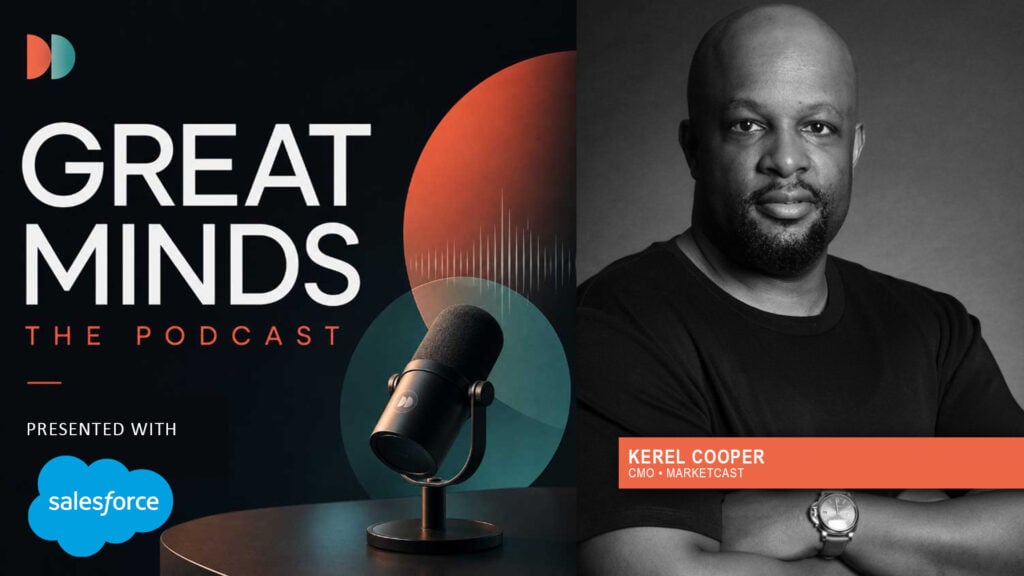
What the Dashboard Can’t Tell You About People Featuring Kerel Cooper of MarketCast
Joining us is Kerel Cooper, Chief Marketing Officer at MarketCast. Kerel shares why he believes marketers can learn from the strongest consumer brands and how human judgment should guide the use of AI in creative work.
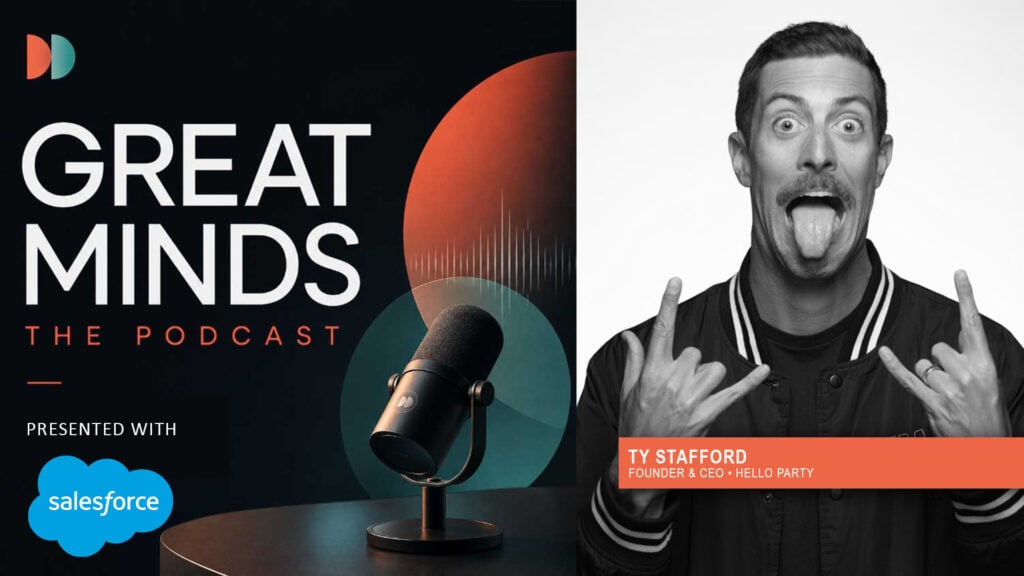
Would You Share It If You Didn’t Work Here? Featuring Ty Stafford of Hello Party
Joining us is Ty Stafford, Founder and CEO of Hello Party, whose experience spans making YouTube videos in his dorm room and working at Red Bull Media House.

From the Conference Floor to the Boardroom: How Kindle Scribe Is Changing the Way Executives Capture Ideas
At Advertising Week New York 2026, Amazon’s Kindle Scribe offers a glimpse into how business leaders are combining the familiarity of handwritten notes with the convenience of digital technology to make the most of an increasingly demanding professional world.