





From the Conference Floor to the Boardroom: How Kindle Scribe Is Changing the Way Executives Capture Ideas
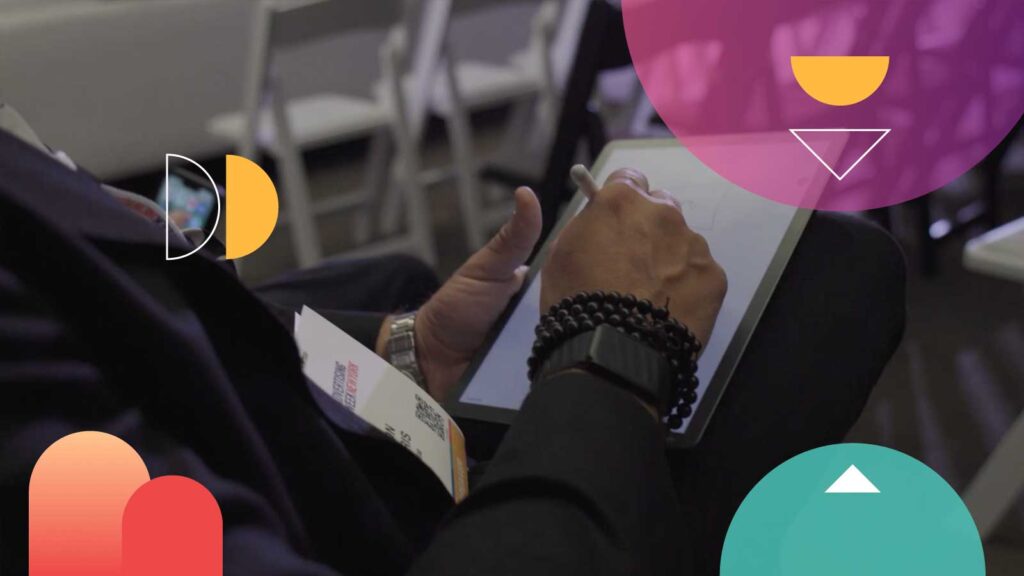
At Advertising Week New York 2026, Amazon’s Kindle Scribe offers a glimpse into how business leaders are combining the familiarity of handwritten notes with the convenience of digital technology to make the most of an increasingly demanding professional world.
Advertising Week New York brings together thousands of marketing, advertising, and technology professionals for a week of conversations, presentations, networking, and new ideas. With so much information competing for attention, the challenge for executives isn’t simply absorbing what’s happening around them, but finding ways to capture the most valuable insights and put them to work long after the event has ended.
Against this backdrop, Amazon’s Kindle Scribe represents an interesting approach to a familiar professional challenge: how to stay engaged in the moment while making sure important ideas aren’t lost in the noise.
Bringing Handwriting Into the Digital Workplace
In a world increasingly dominated by laptops, smartphones, and AI-powered productivity platforms, handwriting might seem like an unlikely area of innovation. Yet the appeal of putting pen to paper remains powerful, particularly in environments where concentration, reflection, and the ability to connect ideas matter as much as speed.
The Kindle Scribe brings that experience into a digital format, combining an e-reader with a writing surface that allows users to capture notes and organize their thinking without relying on a conventional laptop. For executives navigating a busy conference schedule, that offers an alternative to juggling notebooks, devices, and a growing collection of disconnected observations.
The latest Advertising Week video featuring Kindle Scribe shows the device in the context of the event itself, from the busy conference floor to the quieter moments when attendees are listening, reflecting, and writing. Rather than presenting technology as another distraction, the footage places note-taking at the center of the conference experience.
Turning Conference Conversations Into Something More Valuable
The real value of attending an event like Advertising Week isn’t measured solely by the number of sessions attended or business cards exchanged. It comes from the connections made between ideas, the perspectives that challenge established thinking, and the decisions that follow when executives return to their organizations.
That process begins with capturing information in a way that encourages meaningful engagement. Whether recording an observation from a keynote, developing a thought during a panel discussion, or noting an idea sparked by a conversation with a colleague, the ability to write naturally can make the experience feel more deliberate and less transactional.
For marketing leaders, this distinction is particularly relevant as the industry continues to grapple with the growing volume of information generated by new platforms, technologies, and consumer behaviors. The challenge is no longer access to ideas, but identifying which ones deserve attention and creating the space to think about what they mean.
Productivity Isn’t Always About Doing More
Much of today’s workplace technology is designed around acceleration, promising faster workflows, greater automation, and more efficient communication. But there is also an argument for tools that help professionals slow down enough to think clearly, especially when their responsibilities involve judgment, creativity, and strategic decision-making.
Kindle Scribe occupies an interesting position in that conversation by bringing a traditional writing experience into a connected digital environment. Its appeal isn’t necessarily about replacing every productivity tool an executive already uses, but offering a different way to interact with information when attention and concentration are at a premium.
As Advertising Week New York 2026 demonstrates, the most useful technologies aren’t always those demanding the greatest share of our attention. Sometimes, they’re the ones that make it easier to focus on the people, conversations, and ideas directly in front of us.
And for executives returning home with notebooks full of observations and ambitious plans, the ultimate test is what happens next. Capturing a great idea is only the beginning; turning it into something meaningful is where the real work starts.
That planning gives each day a purpose before competing demands take over. Harris describes sketching out his itinerary and setting an intention for what he wants to accomplish. His use of the Scribe includes taking handwritten notes and selecting its “Summarize” function, with the resulting display organizing material under the heading “Core Values and Principles.” The sequence illustrates a step between recording thoughts and reviewing them, though it does not establish a measurable effect on productivity.
For Mortimer, the central concern is keeping preparation current. An event built around industry conversations must be able to address developments that emerge after a script has been drafted. “Often we’re doing sessions about things that are happening right then in the news that very morning,” she says. “So it’s really important that our scripts are living documents.”
Mortimer is shown annotating a script on the Scribe, adding handwritten notes alongside the text. Her comments underscore why that revision process matters: preparing a session includes making room for information that could change the discussion.
Swain’s approach adds another consideration. Choosing what to attend also means preserving opportunities to learn something unexpected. She reviews and marks a session listing on the device, linking her broader emphasis on reflection to the practical task of deciding where to spend time.
The three executives describe preparation as an ongoing process of choosing, reviewing and adjusting, with the Scribe providing a place for work ranging from early handwritten thoughts to revisions closer to the event. Their priorities offer a broader lesson for attendees heading into Advertising Week: know what you want to accomplish, but leave enough room for the week to challenge what you already think.
You May Also Like
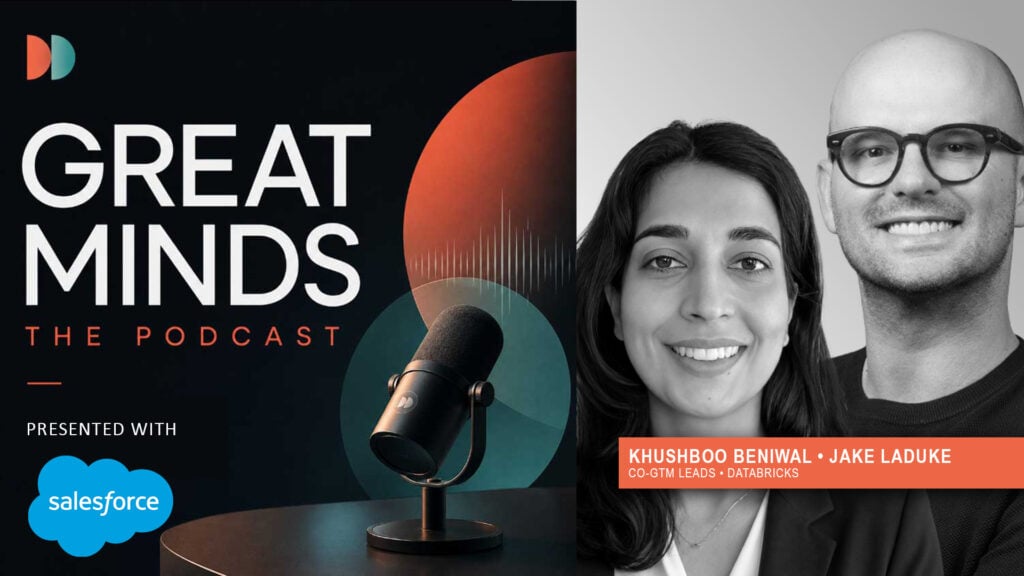
What Will the Next Advertising Dollar Deliver? Featuring Jake LeDuke and Khushboo Beniwal of Databricks
Joining us are Jake LeDuke and Khushboo Beniwal, Industry Go-to-Market Leaders for Media, Entertainment, and Advertising at Databricks.
Stop Pitching and Start Building Featuring Laurel Burton of Instrument
Joining us is Laurel Burton, CEO of Instrument, a design and technology company whose work includes Nike, Oura, Google, and Nordstrom.
Customer-Led Products with Intentional Leadership Featuring Emeka Okafor Jr. of Dropbox
Joining us is Emeka Okafor Jr., Senior Product Director at Dropbox, who leads product for its applied AI division.