




The Heathrow Bears Are Back for the 2025 Holiday Season
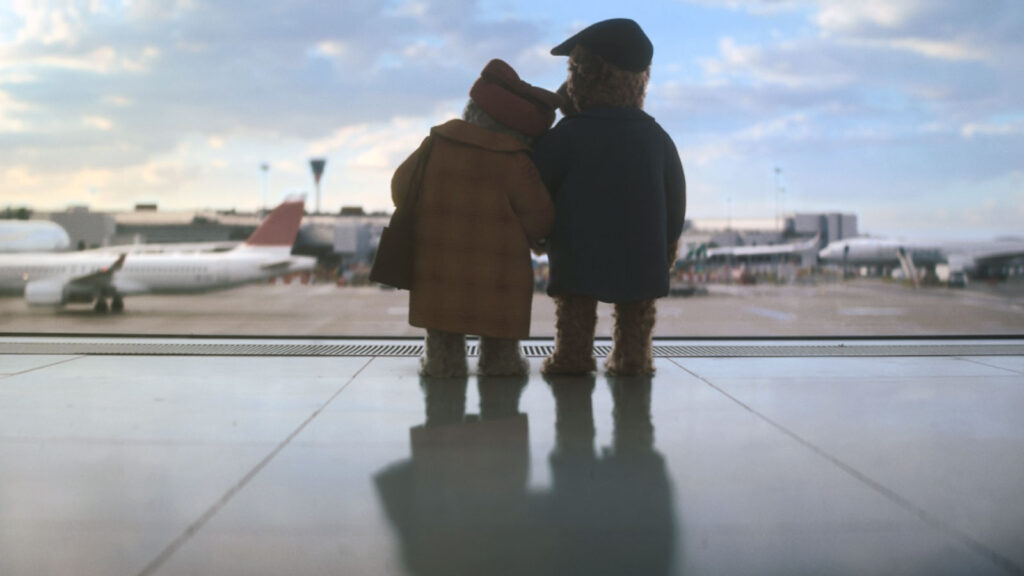
By Heather Taylor, Editor-in-Chief, PopIcon
How has it been seven years since we last saw Doris and Edward, the Heathrow Bears?! Fans of the adorable duo may recall they traded a staycation at their Sunny Days Retirement Village home in favor of hopping the pond to spend the holidays with family in 2018.
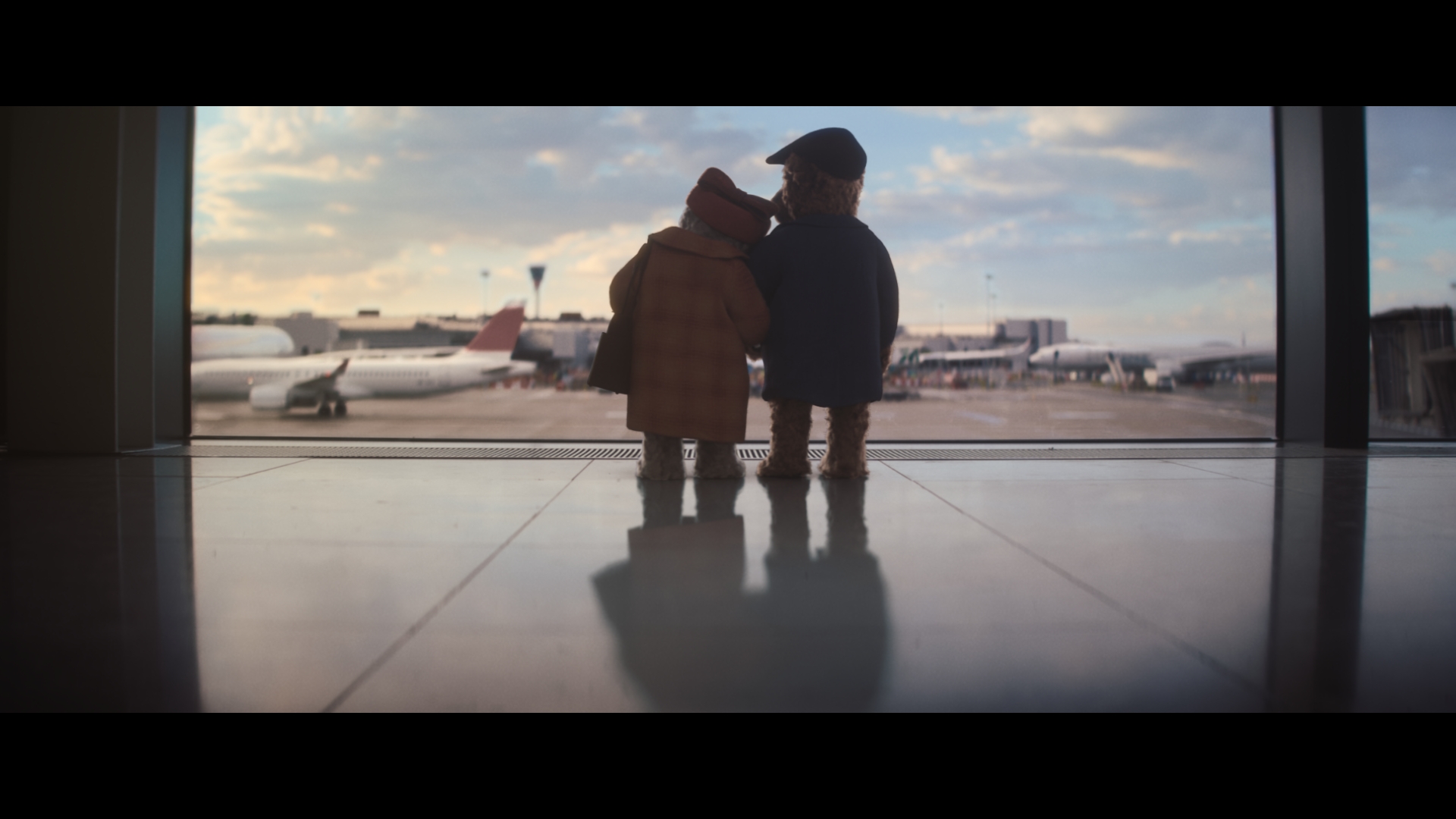
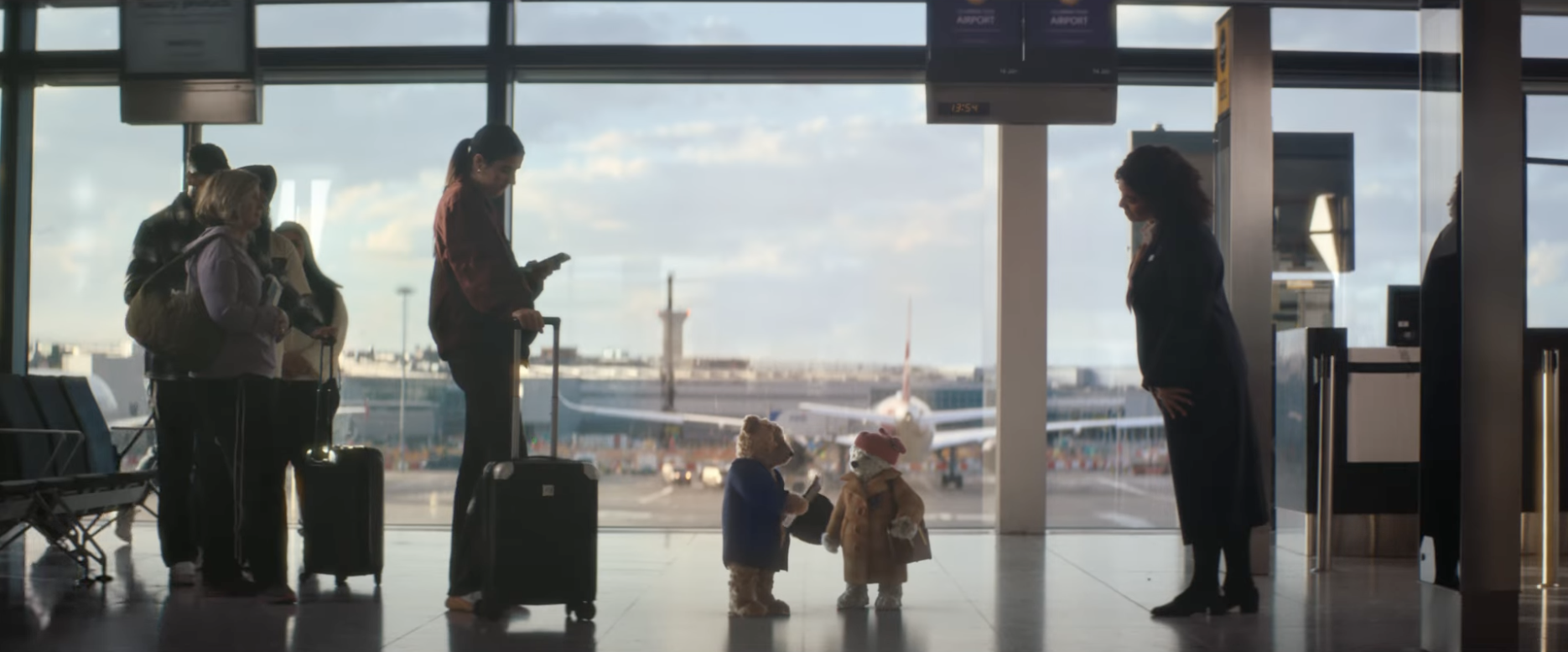
The return of the Heathrow Bears is being celebrated in an extra special way in their fourth advert. A new campaign from St. Luke’s London shows the Heathrow Bears heading on an adventure with a nod to where their story began. Plus, Heathrow Airport has temporarily renamed Terminal 4 to “Terminal Paw” to welcome the bears and passengers alike.
“Must Be Love”
There’s a wee bit of magical déjà vu in viewing “Must Be Love.” Doris and Edward board a self-driving pod in Heathrow’s Pod Parking and rely on the airport’s helpful staff (and one another) to navigate printing out sticky luggage tags and perusing perfume testers at the shops.
As their gate starts to board, Edward suddenly implies he can’t find their boarding passes… until he finally pulls out the passes at the last moment. Whew, crisis averted! As passengers walk past, the two bears transform into humans right before our eyes.
If some of this feels familiar, viewers are seeing several throwback moments reminiscent of the bears’ first advert “Coming Home for Christmas.”
The original spot featured Doris and Edward arriving at Heathrow and carefully making their way through the airport together. They take one another’s paws to step on the escalator, get a helping hand from a staffer to get their luggage off the carousel and accidentally cause a tower of Walker’s Shortbread cookies to fall over at the kiosk. Upon coming to arrivals, two small children — grandkids! — come rushing over and the bears reveal their true forms as their grandparents.
Terminal 4 Becomes “Terminal Paw”
In a press release, Heathrow Airport announced they have temporarily renamed Terminal 4 as “Terminal Paw” to mark the bears’ comeback.
“We are excited to welcome Doris and Edward back to Heathrow. They hold a very special place in our passengers’ hearts, and their story embodies the spirit of travel — full of love, laughter and a little bit of mischief. Their return is a reminder that Heathrow is more than just an airport. It’s a place where millions of meaningful journeys begin every year,” said Ross Baker, Chief Commercial Officer at Heathrow.
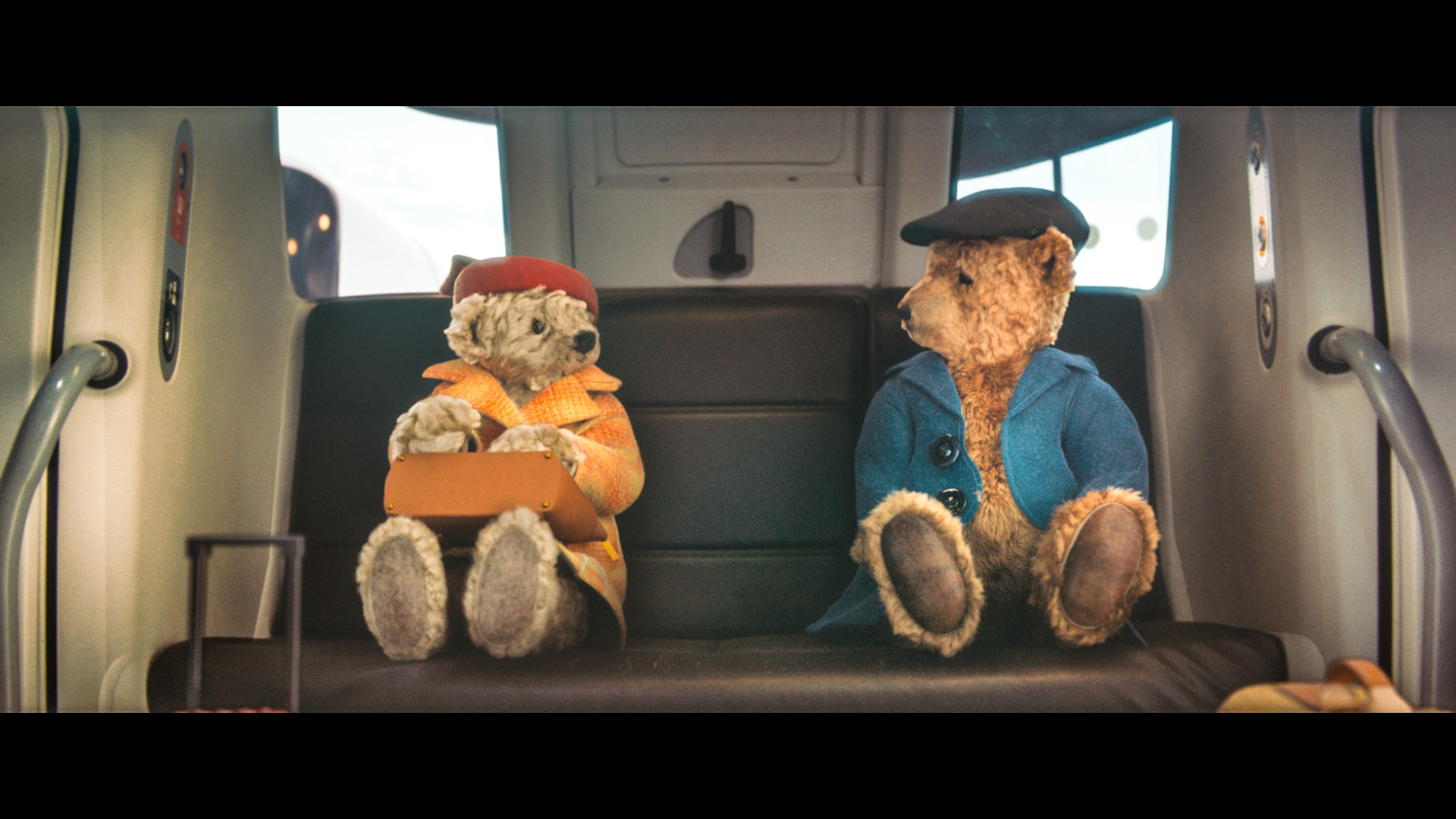
And if you’ve always wanted to own these two iconic teddy bears, you’re in luck. The “Doris and Edward Bairs” will be available for passengers to buy exclusively at Heathrow from January 2026.
This puts them in delightful company alongside the Harrods bear, Paddington Bear and many other plush bears to shop. Fun fact: more than 82,000 teddy bears are sold yearly at Heathrow! Splurge on a few as gifts this holiday season or to treat yourself with furry friends as new travel companions.
Image Credits: Heathrow Airports Limited
About the Author
Heather Taylor is the senior writer and editor-in-chief of PopIcon, Advertising Week’s blog about brand mascots. Got a pitch on brand mascots or want to wax nostalgic about characters? Drop her a line at howveryheather@gmail.com.
You May Also Like
Please Stop Chasing Prompts, Featuring Dan Baptiste of Skyword
Dan Baptiste, Executive Vice President, Skyword, joins Modern Marketing and Measurement to discuss how brands can build authority through original expertise, a clear point of view, and teams that actually work together. Drawing on his experience helping companies tell their stories, Dan explains how a Vegas resort can accidentally become known for gambling instructions, why being cited is different from being recommended, and what marketing departments might learn from looking beyond their own org charts. He brings humor to a serious question: What does a brand contribute that customers cannot get everywhere else?

Your Marketing Looks Like Your Org Chart. Dan Baptiste Has Some Notes.
Choosing a position can make executives nervous. If a brand becomes more specific about what it believes and whom it serves, what happens to everyone else?
Lexi Novak of Betches Media on Why Audience Connection Beats Content Creation
What does it take to build a media brand that audiences genuinely connect with, and what can marketers learn from a company that has made humor, honesty, and cultural relevance its calling cards?