




The Human Factor: Navigating the Limitations of AI in Marketing
By Patrick Lane, Media Director, MCD Partners
The robots are coming for us! And they are excellent at buying ad space. Who to target, how much to bid, what ad will work best for that person; the list goes on and on. But, is it enough to fully take on the role of a marketer? We think not!
While AI has revolutionized the world of paid marketing, offering unparalleled speed and efficiency in automating and optimizing advertising campaigns, it isn’t in a position to usurp us humans just yet, as there are certain limitations preventing these robots from completely replacing their human counterparts. The role us humans play is key to the success of paid media campaigns, as the benefits of human touch are still unsurpassed. Think of a simple promotion. The AI will not know promotional date ranges, why conversion volume suddenly increases and how to change budgets to compensate for additional sales, thus the task still requires the human touch.
As AI continues to proliferate the marketing industry, here are 4 key limitations to keep in mind:
Lack of Creativity
AI algorithms can only optimize and automate existing campaigns, but they lack the creativity and originality to come up with new ideas and strategies. Their models are based on existing information. We have to feed them new data to compensate for current trends.
Difficulty in Understanding Context
AI algorithms may struggle to understand the context in which ads are being shown and the emotional impact they have on the audience. This can lead to missteps or missed opportunities in campaigns. AI models may overcome this but for now humans must be there to provide context.
Ethical Concerns
AI algorithms may sometimes make decisions that are not ethical or violate privacy laws, especially when it comes to targeting and personalization. Human oversight is crucial to ensure that campaigns are aligned with ethical and legal standards.
Difficulty in Adapting to Consumer Behavior
AI algorithms may struggle to quickly adapt to changes in consumer behavior, market conditions, or advertising regulations. Human marketers are better equipped to make strategic decisions and adjust campaigns as needed. AI algorithms can only analyze and process the data they have been trained on. They may not be able to fully understand the nuances of consumer behavior and preferences. Human marketers are better equipped to interpret and apply insights about consumer behavior to campaigns.
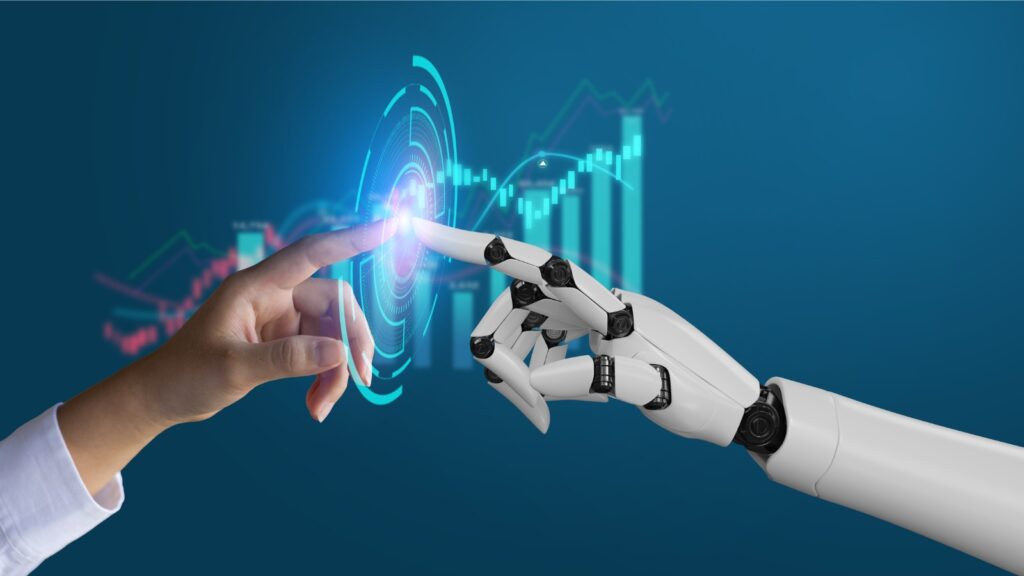
As the use of AI in paid marketing continues to evolve, it is important for marketers to find the right balance between AI and humans. By meeting at the intersection of technology and consumer behavior; with us humans leading the strategic charge and guiding the programs while utilizing AI to automate and optimize these campaigns, we can, and will, continue to achieve paid marketing success.
About the Author
Patrick Lane is a Media Director at MCD Partners, a digital agency part of M&C Saatchi Worldwide
You May Also Like
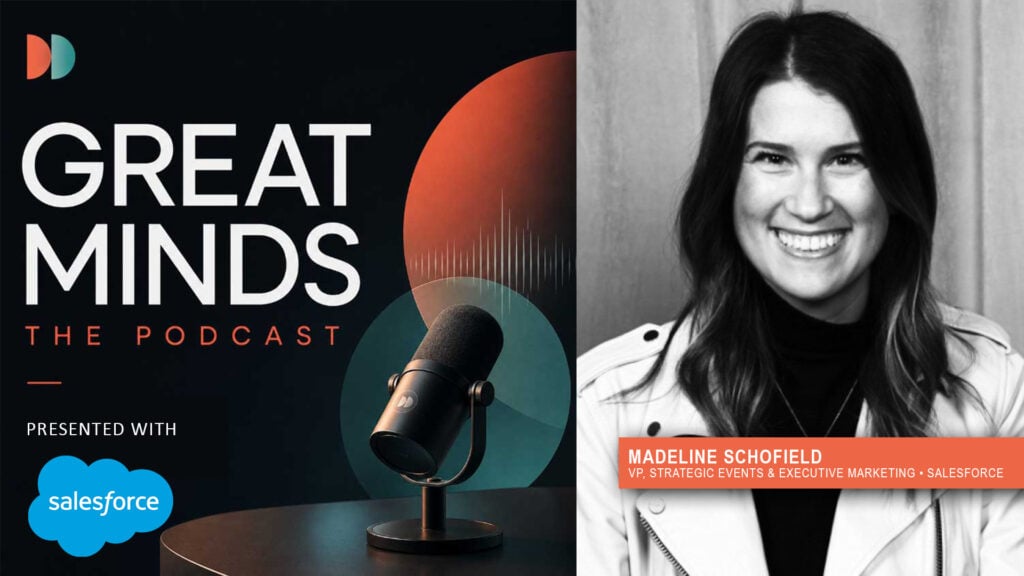
People Still Buy From People Featuring Madeline Schofield of Salesforce
Joining us is Madeline Schofield, VP, Experience Strategy and Executive Marketing at Salesforce, fresh from Dreamforce.
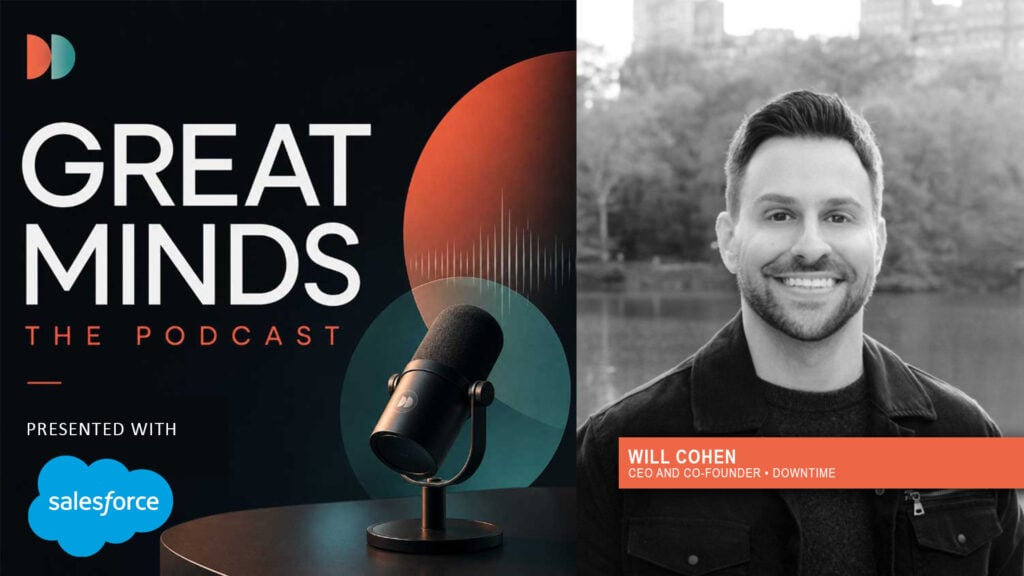
Giving Shoppers a Say Featuring Will Cohen of Downtime
Joining us is Will Cohen, CEO and Co-Founder of Downtime, whose background in retail media led him to build a business around customer participation.
Give People Something Worth Talking About with Pauline Oudin from Gradient Experience
Today, we’re joined by Pauline Oudin, CEO of Gradient Experience, an experiential agency working across luxury, spirits, beauty, and technology.