

There Is No Cheat Code in Marketing

Ben Cicchetti, SVP of Marketing and Communications at InfoSum
Marketers have often been guilty of reaching for a shortcut. Every era seems to produce a new way of trying to work around the system, from hidden text and keyword stuffing to buying followers, clickbait headlines and gaming social algorithms. The tactics change, but the goal is usually the same: find the loophole, beat the platform, get the result faster.
And now, inevitably, we have AI.
The promise is real. AI allows marketers to create more content, personalise more interactions, automate repetitive work, move faster and optimise continuously. But there is a danger in treating every new capability as if it removes the need to do the difficult part.
Because good marketing has no cheat code.
You can’t hack desirability
The platforms change. The technology changes. The metrics change. But the fundamental challenge remains remarkably consistent: you must give people a reason to care.
That sounds obvious, but it is surprisingly easy to lose sight of when so much of modern marketing rewards the wrong thing. We reward the click because we can measure it, not necessarily because it tells us whether someone cared. It can be easier to ask how to get more people to see something than whether it was worth seeing in the first place.
That distinction matters because shortcuts often appear to work. Keyword stuffing once helped pages rank. Clickbait still generates clicks. Buying followers can create a false sense of success. The numbers may move, but a metric moving is not always the same thing as marketing working.
Traffic is not attention, and attention is not automatically trust, preference, or loyalty. The danger comes when marketers optimise relentlessly for what is easiest to measure, rather than for the outcomes that ultimately matter to long-term growth.
Identity is not the same as understanding
The harder work of marketing sits underneath all of this, and it starts with understanding people properly: what they value, what frustrates them, what they aspire to, what they ignore, and how those things are changing.
That understanding cannot come from a single dataset or a static snapshot of identity you can simply buy off the shelf. For years, marketers have treated identity as another kind of cheat code: resolve the person, append more attributes and assume you understand them.
But identity is only one ingredient. Richer intelligence comes from connecting more diverse signals around what people watch, buy, search for, listen to and engage with, but also the cultures, communities and conversations shaping how they see the world.
That is where data and technology should earn their place. Not by providing a shortcut around the fundamentals, but by helping brands build proprietary intelligence that reflects their business, their customers and the questions they are trying to answer. That means connecting diverse datasets and turning the right signals into intelligence marketers can actually use to understand people more deeply and make better decisions about where to show up, what to say and what to do next.
AI should amplify the work, not replace it
The same principle should shape how we think about AI. Its value is not that it allows marketers to avoid the work, but that it can put better intelligence to work faster. It can uncover patterns, remove repetitive tasks and turn insight into action, giving marketers more time and better information to focus on the decisions where judgement and creativity matter most.
Used badly, it simply industrialises mediocrity.
A brand that produces 500 personalised assets without a clear proposition has not suddenly become more sophisticated. It has become more efficient at being forgettable. If the underlying idea is boring, AI helps you make boring things faster.
AI discovery creates a new temptation
The next temptation to find another cheat code is already emerging around AI discovery. As consumers increasingly use AI systems to research products, compare brands and make decisions, marketers are understandably asking how they can become more visible in those answers. There will be tactics worth learning. There always are. But optimisation only gets you so far.
Being discoverable is not the same as being desirable.
AI is increasingly becoming a decision layer between brands and consumers. That means brands are no longer only competing to be seen; they also need to be understood, trusted, and, ultimately, recommended by the systems helping people decide.
Those systems build their understanding from the signals brands put into the world: positioning, content, product information, earned coverage, reviews, and customer experience. If those signals are inconsistent or indistinct, there is no optimisation trick that can manufacture a compelling recommendation. Brand clarity, distinctiveness, and consistency therefore become more important, not less.
The fundamentals still win
The opportunity is to use technology to strengthen the fundamentals rather than substitute for them. Marketers can build richer intelligence to understand people more deeply, use AI to put that intelligence to work faster and automate the work that does not require human judgement. But they still need to invest in strong propositions, distinctive ideas, memorable brands, and customer experiences people genuinely value.
Great marketing still requires curiosity, judgement, creativity, and repetition. Marketers should embrace new capabilities but stop confusing them with a replacement for the fundamentals.
There is no algorithm for making people care. The closest thing marketing has ever had to a cheat code is understanding people better, creating something they genuinely value, and doing the hard work consistently.
You May Also Like

A Very Bearista Christmas
Starbucks’ Bearista is bringing friends for Christmas.
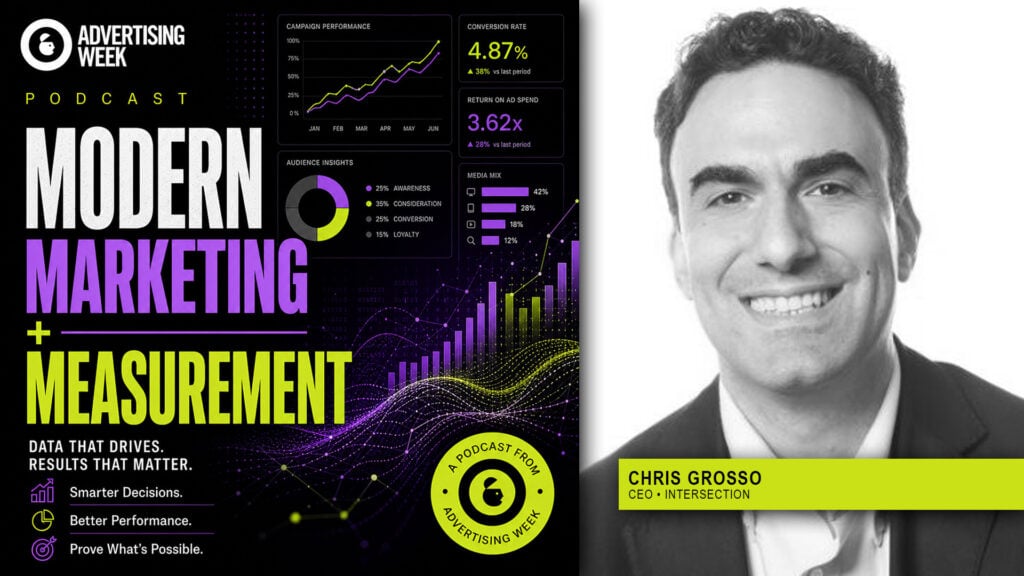
Out of Home Is Effective, and Chris Grosso of Intersection Has the Receipts
In this episode of Modern Marketing and Measurement, we talk with Chris Grosso, CEO of Intersection, about making out-of-home advertising easier to buy and easier to measure.
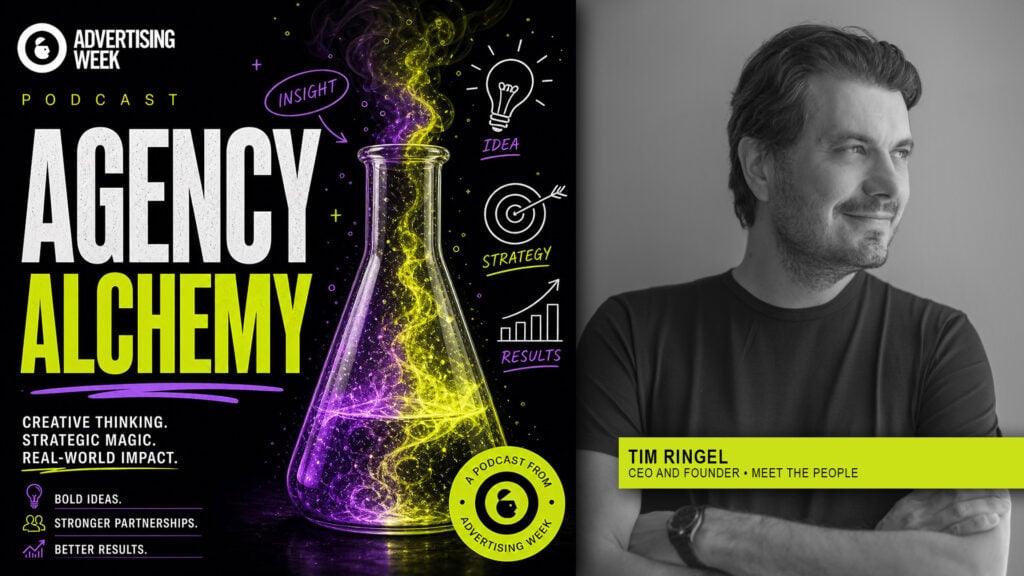
Tim Ringel on Breaking Agency Silos, Rethinking AI, and Building a Better Agency Model
In this episode of Agency Alchemy, Tim Ringel, Founder and Global CEO of Meet the People, joins us to discuss his journey from launching an agency with two people in a German basement to leading a network of ten specialized agencies across North America.