




Traditional Marketing Funnels Just Don’t Work and Social Is the Reason Why—and Also the Solution to a Better Way Forward
By Jennifer Quigley-Jones, CEO, Digital Voices
Today, influencers and social commerce drive both culture and customer demand. Which is to state the obvious that all of us know—even if we’re not talking about it—and that’s that today’s customers don’t act the same as those of eras gone by. All to say that traditional media and traditional marketing aren’t primary forces anymore. And so, if you’re a brand—any brand—it’s time you take note.
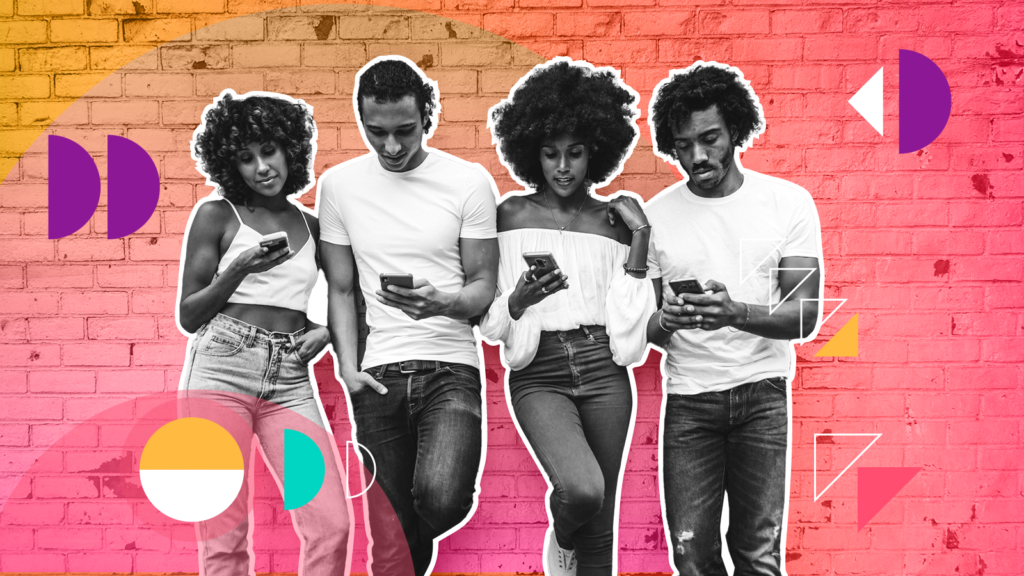
Gen Z spends three hours on social every single day. To capture them—and their dollars—brands need to pique curiosity, saturate feeds and simultaneously build community to win hearts and market share.
The funnel we’ve come to know is broken.
The traditional marketing funnel—awareness, consideration and decision—served us well as the go-to model for brands to reach consumers. Marketers relied on linear, predictable steps, but in today’s context, this funnel oversimplifies how consumers make decisions today, in an era where they have instant access to reviews, comparisons and also social proof.
Because today, trends are fleeting, consumer attention is short, and the path to brand loyalty is anything but straight. The truth remains that customers make purchasing decisions based on emotions, social proof, and rapid trend cycles. Brands need to orchestrate multiple touchpoints that work together seamlessly, meet consumers where they spend time, engage them at every stage in the journey, and maintain relevance even after the sale.
Here’s a better way forward.
Today, there’s no linear “start” and “end” point, as each touchpoint works alongside the others. By tapping into all of these, all at once, you’re positioned to ensure that the “purchase” stage doesn’t fall off and away.
First up, the Discovery Stage.
This is where you introduce your product and its story to your audience for the very first time, shaping first impressions and setting the tone for how a product will be perceived.
Given the overwhelming amount of content across social platforms, it’s essential to identify the specific channels and spaces where a brand’s target demographic is most engaged. That could mean capturing attention through YouTube or CTV ads, or perhaps immersion in niche communities on TikTok, where hyper-targeted conversations and trends are the norm.
By getting to know these spaces, brands can thoughtfully place their messages where they’re most likely to generate impact—ensuring their story is seen by the right people and within the right context.
Next up, the Hype Stage.
Flooding social feeds with influencers showcasing a product is an effective way for brands to create the impression that everyone is using and loving their brand. It’s how you create FOMO—and inspire action.
By positioning the product as a must-have, influencers generate a sense of urgency that encourages audiences to further amplify the buzz. Brands should leverage a mix of influencer content and user-generated content (UGC) in paid and organic social media placements to make the product virtually unmissable.
The Purchase Stage.
A buying experience must be seamless—full stop—and that falls on the retailers to deliver. Plus, there are bonus points to be had for any brand who can surprise and delight. To convert first-time buyers to repeat customers, smart brands are either making purchasing user-friendly, thanks to social commerce via Shopify’s Shop app, listing on delivery apps, offering buy now pay later, rewarding loyalty, and providing free shipping offers.
Last but not least, the Community Stage.
Community is everything—and always will be. This is where brands turn customers into advocates who consistently celebrate and recommend their products. But today, word of mouth doesn’t just mean verbal recommendations. Brands need to make it easy to save and share product videos and mentions with friends in private chats and across social platforms. And in the offline realm, savvy brands are hosting in-person events to build a sense of community and celebrate and reward their customers.
Remember, relevance is a long-term game.
While focusing on one product can spark an obsession, it’s not enough to shape culture which is essential toward building a lasting brand. An always-on content strategy—which reflects a brand’s values—is key toward ensuring you stay connected with audiences so they feel top-of-mind. This is how you reinforce identity and generate real brand love.
You May Also Like

Before the Litigation Takes Over: Using Neutral Analysis as a Strategic Business Tool
Imagine a CEO receiving an update on a significant piece of litigation. Outside counsel believes the company has the stronger legal position.

Proven Strategies for B2B Answer Engine Optimization
The B2B buyer journey is changing. Research finds that 60% of B2B buyers incorporate AI tools in their search.
Amazon Ad Case Exposes the Post-Click Blind Spot
On 31 August, the US Federal Trade Commission and a bipartisan group of 22 states sued Amazon, alleging that it rigged the auctions behind its Sponsored Products ads.