

Your Best Black Friday Ad Might Be the One Your Brand Team Hates

By Caroline Levere, SVP, Performance Creator, New Engen
Every year as Black Friday approaches, brands start looking more closely at the creative they plan to put into the market. More and more, creator content is part of that mix because brands have seen that creator ads can perform really well.
But there’s a tension I keep seeing in meetings: Brand teams want creator content to feel consistent with how the brand shows up, while growth teams are looking at what will actually drive performance. Both priorities are valid, but they don’t always point to the same creative decisions.
Creator content should feel different. It should give you room to play, take risks and say things you might not say directly as a brand. It can be more conversational, less polished and sometimes a little outside the aesthetic comfort zone of the brand team. That is part of what makes it useful. If you take creator content and keep polishing it until it looks exactly like everything else the brand produces, you may be removing the very thing that makes it perform.
And heading into Black Friday and the holiday season, that tradeoff matters even more. The goal should not be to make every creator ad look perfectly on-brand. It should be to understand which creative is actually driving results, then know what to scale when competition and media costs increase.
Start by agreeing on what you’re optimizing for
One of the most important conversations growth and brand teams can have right now is also a very basic one: What is actually most important?
Brands understandably want their ads to look a certain way. They also want them to perform a certain way. Those things are not always perfectly aligned. If how the content looks is the most important KPI, you need a strategy built around that. But if the goal is efficient customer acquisition, you may need to care a little less about whether every piece of creator content meets the same aesthetic standard as a traditional branded ad.
That doesn’t mean throwing brand standards out the window. It means recognizing that creator content has a different job. Some things should always be protected, whether that is accuracy, product claims, tone or other important brand guardrails. But there is also a difference between something being off-brand and something simply being unfamiliar.
Growth and brand teams should agree on that distinction before the content gets into approvals. Be clear about what you are testing, why some of the creative may look different from traditional brand assets and, most importantly, how you are going to judge whether it worked. Otherwise, the ideas with the most potential risk getting polished away before customers ever see them.
Black Friday is when you scale what you’ve learned
The holiday is not the time to suddenly reinvent your entire creative strategy. October is the time to figure out what is working. Test creator approaches. Take some risks. Pay attention to what is actually driving results. Then, when November and December arrive, take the winners and scale them.
A lot of the time, the thing that works for holiday is not even a brand-new holiday ad. It might be an evergreen creator ad that is already performing, with the deal called out or a promotional sticker added to it. That gives you the benefit of putting more spend behind creative that has already proven itself, rather than asking an entirely new concept to perform during one of the most competitive periods of the year. It also means you are creating content that can keep working after the holiday period is over.
The same thinking applies to promotional language. If you are planning a sale that changes several times, for example from 50 percent off to 55 percent and then 60 percent, you do not necessarily want to produce a new creator ad every time the offer changes. Instead, the creator can build excitement without anchoring the entire video to one specific number.
“Best sale ever.”
“This sale won’t last.”
“I’ve never seen a sale this good before.”
The offer can change while the creative that is already working keeps running. That is a much better position to be in than rebuilding every creative every few days during the busiest part of the season.
Make it easy for someone to buy
The other thing brands sometimes overlook is how much practical information matters during the holidays. The person on the other side of the ad is often making a fast decision. They may be shopping for someone else. They may be comparing several products at once. And they may have very specific questions standing between interest and purchase.
What is the return policy? When will it ship? If this is a gift, when is the last day to order and still receive it on time?
If you can answer those questions naturally in the creator content, do it. If not, make sure the answers are easy to find on the landing page. The goal is to make the path to purchase as easy as possible while also helping prevent disappointment and returns later.
The creative itself should help people get there quickly, too. I generally want creator videos to stay under 15 seconds, and I would be cautious about going beyond 30. You do not need to say everything. You need to give people enough information to understand why they should care and make the next decision easy.
Don’t polish away the thing that works
None of this requires making holiday creator strategy more complicated. In fact, the opportunity is to simplify it.
Figure out what you need creator content to accomplish. Give it permission to look and sound like creator content. Use October to test enough to know what is actually working. Then resist the urge to reinvent everything when Black Friday arrives.
The creator ad your brand team likes least may be the one customers respond to most. Before you change it, pay attention to what that response is telling you.
You May Also Like
Amazon Ad Case Exposes the Post-Click Blind Spot
On 31 August, the US Federal Trade Commission and a bipartisan group of 22 states sued Amazon, alleging that it rigged the auctions behind its Sponsored Products ads.
Marketing Isn’t Broken. The Organizations Behind It Are. Featuring Lee Roth
What happens when Hollywood filmmaking collides with the agency world? Rick Wayne, Executive Creative Director at Brand Imagination Group, joins Agency Alchemy to explore why the traditional agency model is struggling to keep pace with modern creativity and what might replace it.
The Power of the Transaction
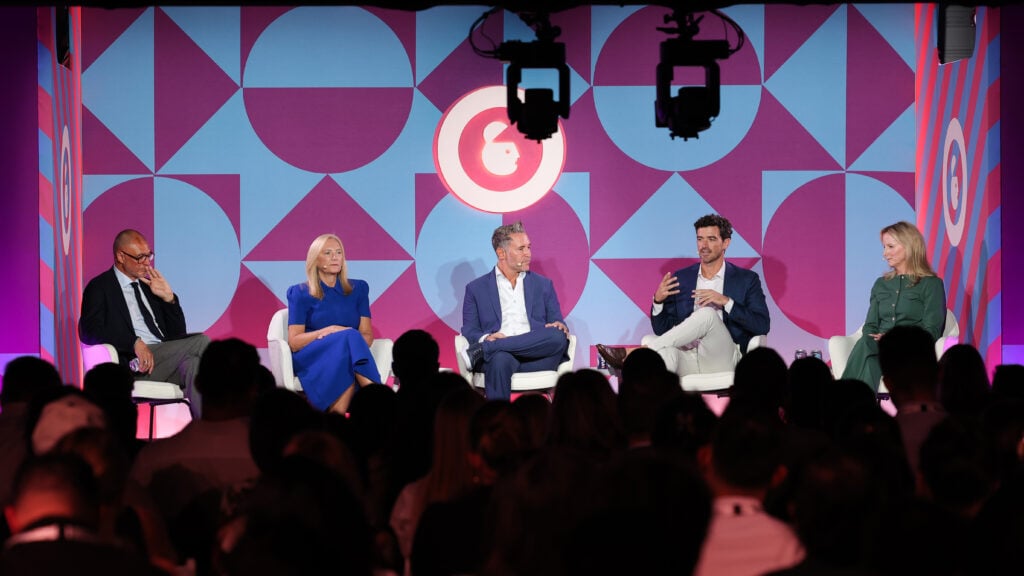
A click can suggest interest, but a transaction shows where someone chose to spend. In our Advertising Week New York session, “The Power of the Transaction,” the leaders behind Citi Commerce Media discussed how purchasing data can help brands identify audiences, deliver relevant offers and assess what happens after an advertisement.