


Amazon Ad Case Exposes the Post-Click Blind Spot
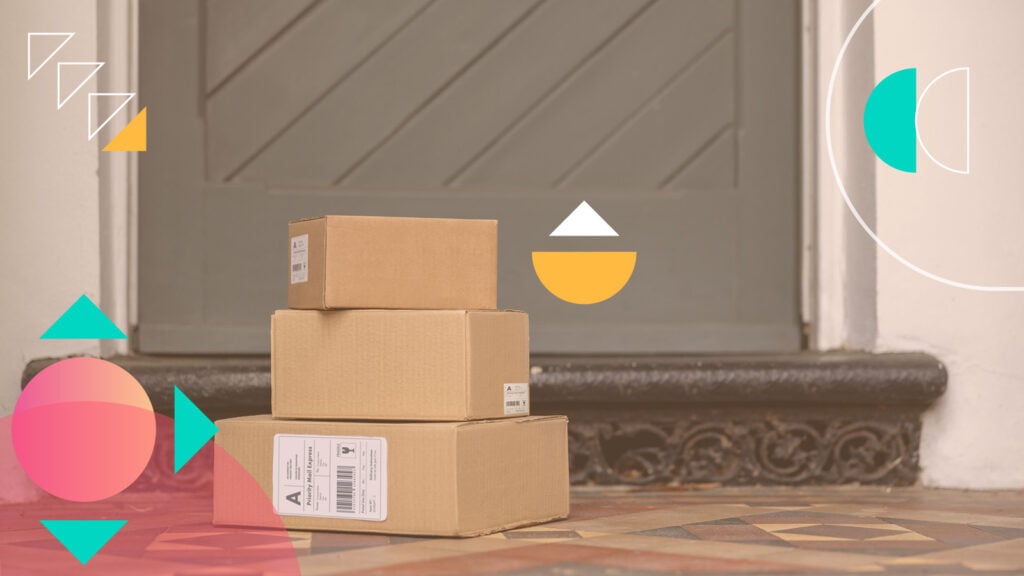
By Oliver Leigh, CEO and Co-Founder, Portal
On 31 August, the US Federal Trade Commission and a bipartisan group of 22 states sued Amazon, alleging that it rigged the auctions behind its Sponsored Products ads. The complaint claims that, in auctions advertisers understood to be second-price, Amazon charged the winning bidder its own bid roughly 80% of the time, rather than a cent above the next highest bid. The regulators put the cost to advertisers at around $20bn since 2019.
Amazon strongly disputes the case. It says average winning bids fell by 50% between 2019 and 2025, and that advertisers “adjust bids based on real-world performance, not descriptions of auction mechanics.” That is for the court to decide.
Amazon’s defence, however, deserves more attention than it has received, because it describes the problem precisely. Most brands bidding on Amazon judge real-world performance using data supplied by Amazon. The same business sets the rules of the auction, sets the price and tells the advertiser what they got for their money. If the allegations are proven, advertisers will have paid more than they were told for years, and almost none of them had the means to notice.
This is not solely an Amazon issue. It is a structural weakness in how consumer goods brands buy and measure digital commerce. Over the last decade, retail media budgets have consolidated into a small number of walled gardens, each reporting on its own performance. Brands accepted that trade-off because the alternative appeared to be flying blind.
But that creates an obvious conflict. When the platform selling the media is also the primary source of evidence that the media worked, advertisers have very little independent information against which to test its claims. The problem becomes even greater when ease of measurement starts influencing where budgets are spent. A retailer with the clearest reporting can appear to be the safest destination for media, even if another retailer would generate a better commercial outcome.
That should matter particularly to CPG brands. They may sell the same product through Amazon, supermarkets, pharmacies and specialist retailers, yet their ability to understand what happens after the click varies enormously between those environments. Without comparable post-click data, genuinely comparing retailer performance becomes extremely difficult.
The answer is not to abandon retail media or Amazon. It is to stop treating platform reporting as the only source of truth.
There are three lessons every CPG marketing and ecommerce leader should take from this case.
First, treat retailer diversification as a commercial priority, not a hedge. Paid social and search traffic can be sent to any retailer that stocks your product. Many brands default to Amazon because it is the easiest destination to link to and report on, not because it is the best place for that shopper to convert. Grocers, pharmacies and specialist retailers can win on basket value, margin or availability, and they deserve a fair share of that traffic.
Second, own your post-click data. The moment a shopper leaves your ad for a retailer site, most brands lose sight of them. What they viewed, what they added to the basket and whether they bought something is either invisible or reported back by the retailer itself. Independent, consented measurement of that journey is what gives a brand the evidence to decide where its money goes.
Third, ask every media partner one question: how do I verify this? If the answer is “you can’t, but our reporting shows it’s working”, that should now be a red flag in every budget review.
Independent measurement does not have to mean compromising consumer privacy. With clear consent, brands can gain visibility into post-click behaviour and use those signals to understand which retail environments and media investments are actually performing. The important distinction is that this evidence should be independent of the platform selling the media. Brands need a way to verify performance rather than relying solely on a platform to grade its own work.
Whatever the outcome in court, the lesson for brands is already clear. Send traffic to the retailers that perform, measure the journey independently, and stop accepting a single platform’s word as the only version of the truth.
You May Also Like
Marketing Isn’t Broken. The Organizations Behind It Are. Featuring Lee Roth
What happens when Hollywood filmmaking collides with the agency world? Rick Wayne, Executive Creative Director at Brand Imagination Group, joins Agency Alchemy to explore why the traditional agency model is struggling to keep pace with modern creativity and what might replace it.

Your Best Black Friday Ad Might Be the One Your Brand Team Hates
Every year as Black Friday approaches, brands start looking more closely at the creative they plan to put into the market.
The Power of the Transaction
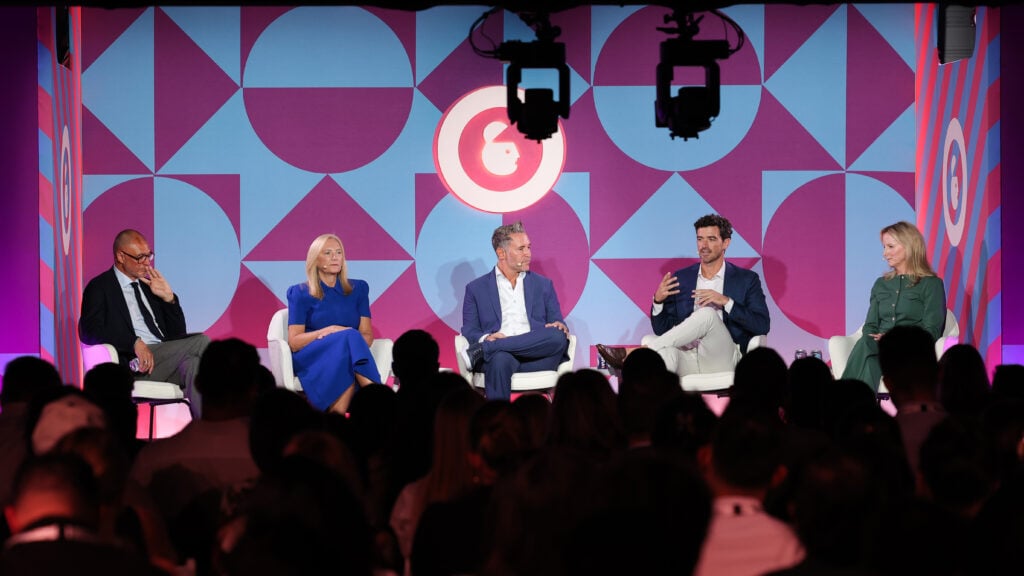
A click can suggest interest, but a transaction shows where someone chose to spend. In our Advertising Week New York session, “The Power of the Transaction,” the leaders behind Citi Commerce Media discussed how purchasing data can help brands identify audiences, deliver relevant offers and assess what happens after an advertisement.