



Who Is Trust E. Duck, Duck Tape’s Mascot?
By Heather Taylor, Editor-in-Chief, PopIcon
Duct tape or duck tape? While the correct spelling for this adhesive is duct, its common mispronunciation has been trademarked under Duck Tape for Duck Brand’s line of branded duct tape.

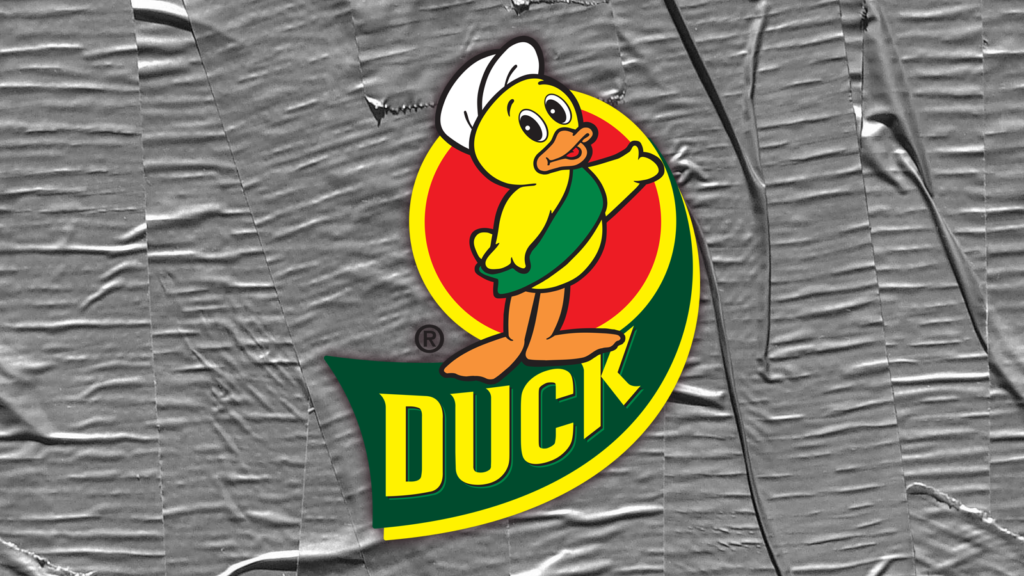
For decades, a friendly yellow duck named Trust E. Duck has adorned Duck Tape’s packaging as the brand’s mascot. Before Trust E., however, the original Duck Tape mascot was a feathery bird named Manco T. Duck.
What happened to Manco T. Duck — and who is Trust E. Duck?
Duct Tape’s Invention
Before we can dive into the respective histories of Manco T. and Trust E. Duck, let’s take a step back into the invention of duct tape.
Duct tape was invented during World War II. American soldiers used this new adhesive for a little bit of everything from repairing broken windows to making temporary bandages, thanks to how sturdy and versatile the adhesive was. Back then the adhesive was unnamed, but soldiers had begun calling it “duck” tape. This was a reference to the adhesive’s waterproof nature which seemed like feathers of a duck.
In 1945 when the war was over, the tape was used to hold ventilation ducts together. The tape received its name, duct tape, and was colored silver to match tin ductwork. The rights to this adhesive were acquired by the Melvin A. Anderson Company in 1950.
Marketing Duct Tape as Duck Tape
American businessman Jack Kahl acquired the Melvin A. Anderson Company in 1971. Kahl changed the name to Manco, Inc. and spent several years focusing on duct tape production expansion. By 1978, Manco became the first company to package duct tape for retail.
Two years later in 1980, Kahl officially created a branded duct tape under the Duck and Duck Tape trademarks.
Introducing Manco T. Duck

Kahl’s brainchild was Manco T. Duck, the official Duck Tape mascot.
Manco was introduced in 1984 to give a feathery face to the company’s branded duct tape products. His likeness, a bright yellow duck with an orange beak and webbed feet, appeared on all company duct tape packaging.

The initial logo design would receive an update in 1985. According to historical documents from Shurtape Technologies, a former Disney artist designed Manco T. Duck and brought life to the company’s Duck-themed logo. The mascot embodied the playful and imaginative culture embraced by Manco.
Manco’s Acquisition and Manco T. Duck’s Name Change
Manco grew substantially throughout the 1980s and 1990s. Some of their highlights included the Bubble Wrap brand and introducing mailing and moving products into the retail landscape and patenting EZ Start Packaging Tape.

The Henkel Group, the world’s number one consumer adhesives company, acquired Manco in 1998. Shortly thereafter in 2002, Manco T. Duck received a name change. His new name was Trust E. Duck.
Changing a brand mascot’s name could ruffle some feathers and make audiences believe the character itself would also experience major changes. However, this was not the case with Trust E. Duck. His new name was simply a more modernized version of Manco T. Duck and his personality and values remained ever-present.
Trust E. Duck in 2024 and Beyond
@theduckbrand Can confirm this is an accurate representation of Trust E. #officelife #corporatelife #mascots
♬ Candy (edit) – Robbie Williams
Nearly 22 years later, Trust E. Duck is still the same spokesduck beloved by Duck Tape crafters and DIYers everywhere. He’s also quite active on social media with Instagram and TikTok accounts.
This friendly mascot upholds the core values of the Duck Tape brand, encourages creative freedom, self-expression, and imagination, and provides products for any creation or occasion.
About the Author
Heather Taylor is the senior writer and editor-in-chief of PopIcon, Advertising Week’s blog about brand mascots. Got a pitch on brand mascots or want to wax nostalgic about characters? Drop her a line at howveryheather@gmail.com.
Image credits: Shurtape Technologies, LLC
You May Also Like
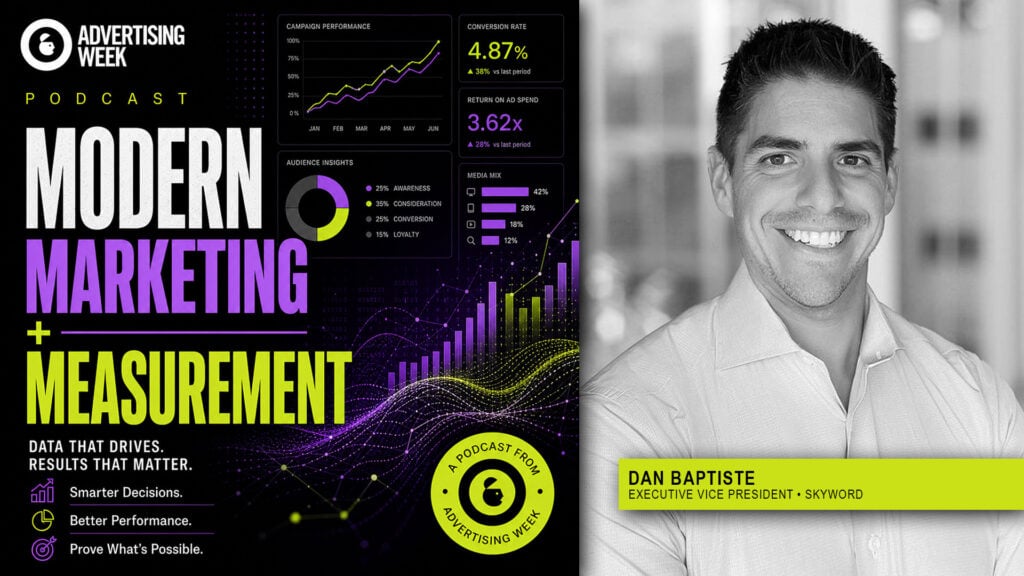
Please Stop Chasing Prompts, Featuring Dan Baptiste of Skyword
Dan Baptiste, Executive Vice President, Skyword, joins Modern Marketing and Measurement to discuss how brands can build authority through original expertise, a clear point of view, and teams that actually work together. Drawing on his experience helping companies tell their stories, Dan explains how a Vegas resort can accidentally become known for gambling instructions, why being cited is different from being recommended, and what marketing departments might learn from looking beyond their own org charts. He brings humor to a serious question: What does a brand contribute that customers cannot get everywhere else?

Your Marketing Looks Like Your Org Chart. Dan Baptiste Has Some Notes.
Choosing a position can make executives nervous. If a brand becomes more specific about what it believes and whom it serves, what happens to everyone else?
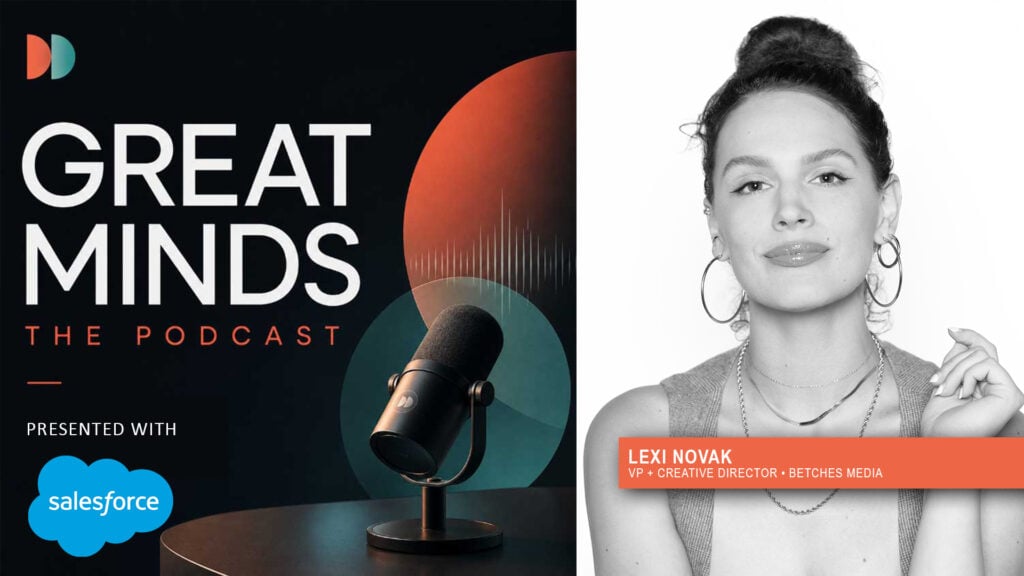
Lexi Novak of Betches Media on Why Audience Connection Beats Content Creation
What does it take to build a media brand that audiences genuinely connect with, and what can marketers learn from a company that has made humor, honesty, and cultural relevance its calling cards?