

Why Halloween Is a Masterclass in Marketing Treats All Year
By Allison Arling-Giorgi, Head of Brand, Method1
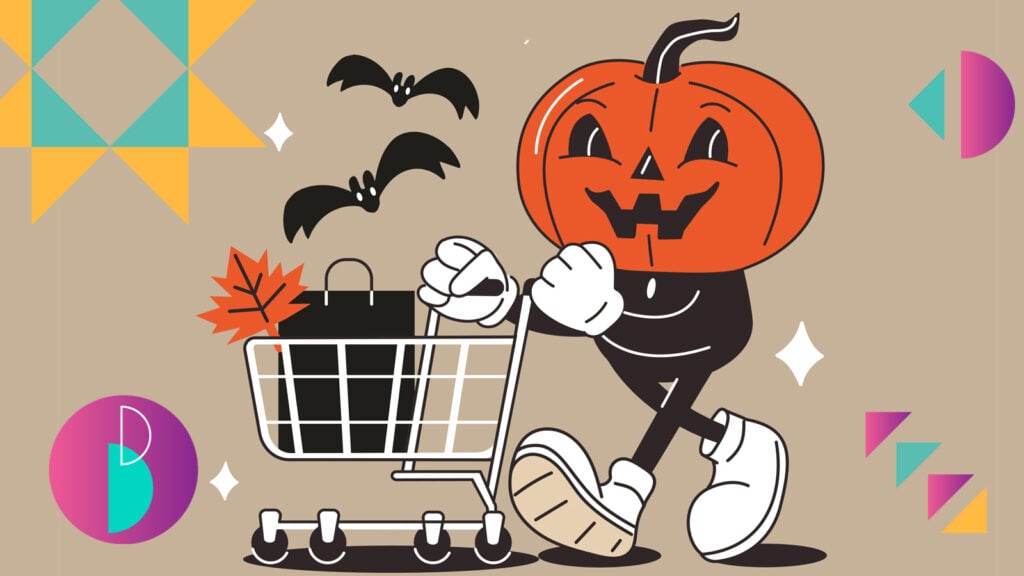
Every October, whole families fall under the spell of candy’s biggest night.
Americans spent a record $13.1 billion on Halloween last year, with those “fun size” bags in special edition orange hitting shelves as early as August. It’s easy to point to the cultural license to enjoy a little extra sugar. But look closer, and Halloween teaches a lesson that any indulgence brand can apply: offer people a reward to anticipate, work for and build rituals around, and they’ll revel in justifying it.
Halloween is a night of frictions, effort and the sweet sense of reward that makes indulgence feel earned. Understand the psychology behind that gratification, and you’ll sell treats long after the costumes are packed away.
The indulgence gets earned door to door
Nobody just hands a child a pillowcase full of candy. Kids have to plan a costume, suit up, walk the neighborhood and work the porches. When someone answers the door, there’s even a line they’re supposed to say, “Trick or treat!” The candy they collect feels like a reward for their efforts.
This ritual cuts to the heart of how indulgence works and what makes it so different from other experiences.
According to our recent State of Indulgence 2026, 51% of consumers say it’s highly important that an indulgence feels earned, while just 4% say feeling guilt-free is what makes it worth it. In other words, consumers aren’t after something that feels effortless and guilt-free. Instead, they’re craving a mood boost that feels deserved. Having to work for the treat sweetens the moment it lands in your bag … or cart.
At HI-CHEW’s House of Mystery, a Halloween 2025 pop-up, visitors earned treats and sweepstakes entries by solving flavor challenges. Just look past the spooky wrapper, and you’ll recognize the winning strategy. KitKat built an empire marking the well-earned midday break.
Year-round, the opportunity is to identify the moments when consumers feel they’ve earned something, then position your brand as the reward. Maybe you mark the end of the workday, finishing a difficult task, running an errand like it’s a side quest or achieving a fitness goal. Premium chocolates even build a little work into consumption itself. Think embossed bars that require tearing open a cardboard sleeve and then unwrapping the foil inside, each bit of work and anticipation sweetening the experience.
The haul joins regular routines
Once parents get their kids home, it’s time for treat-sorting on the kitchen table or living room floor. There’ll be some trading, hoarding of favorites, and definitely sugar highs that don’t help with bedtime. That’s when Mom or Dad typically confiscates everything with promises to dole the candy out over the coming weeks.
This rationing reignites the anticipation that preceded Halloween night, along with the sense of scarcity that amplifies desire. Families extend the experience through November, with those high-value treats only getting delivered after kids finish their veggies or their homework.
Experiment with formats that meter consumption (think monthly subscription boxes). Sustain that delicious craving for rewards that feel rare.
Learn from the porch, become the everyday reward in the pantry
Halloween may represent indulgence at its most visible, but the behaviors it reveals aren’t confined to one night a year.
Americans’ appetite for small rewards is only growing. State of Indulgence 2026 also shows that 45% are more permissive about treating themselves than they were a year ago, and Millennials are leading the trend toward indulging daily.
Each treat caps something, like the end of a long week at work or the occasion of having gotten those feisty kids to bed. The pattern is familiar and everywhere; consumers are “earning it” all the time. The open question is which brand will step up to become their reward.
That repositioning comes with rewards for the brand. Once an indulgence becomes someone’s go-to, they’ll protect it, even when budgets are tight. It’s the kind of proven resilience that makes indulgence a smart market to play in—if you embrace how it works.
This Halloween, observe how people think about and experience their treats: craving them, anticipating them, working for them and savoring them.
Build those rituals into everyday moments, and you become the reward that can be earned any day. (No costume required.)
Sources:
$13.1 billion record Halloween spending (2025): NRF consumer survey — https://nrf.com/media-center/press-releases/nrf-consumer-survey-finds-halloween-spending-to-reach-record-13-1-billion
Method1’s State of Indulgence 2026 – https://method1.com/state-of-indulgence/2026/pdf/method1_state_of_indulgence_2026.pdf
You May Also Like
So You Have an MCP Integration. Now What?
For the past year, launching an MCP server has become one of the clearest ways for a company to say, “We’re doing AI.”
Professional Subject Experts Grow in Influence as Trust Becomes Paramount
Influencer marketing has grown up a hell of a lot. The days of sticking a product in the hands of someone with a massive following and hoping for the best feel quite distant now, even if some campaigns still test that theory.
Healthcare Marketing That Tells a Better Story, Featuring Chuck Meehan of the Pavone Group
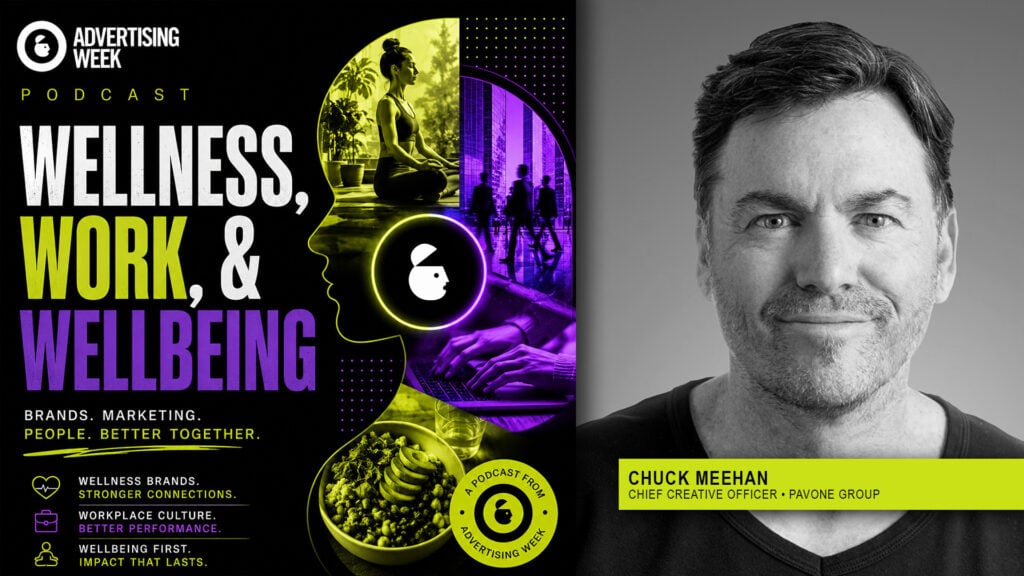
In this episode of Wellness, Work & Wellbeing, we’re joined by Chuck Meehan, Chief Creative Officer at Pavone Group, to discuss the storytelling behind Penn State Health’s Breakthrough Medicine Lives Here campaign.