




In an Age of Infinite Design, Strategy Becomes the Ultimate Differentiator

By R. Larsson, Advertising Week
For years, the marketing industry has celebrated the democratization of creativity. Design tools became more accessible, production became faster, and AI accelerated both trends, making it possible for almost anyone to create work that looks polished and professional. Yet as creative execution becomes easier to produce, a new reality is emerging: design alone is no longer enough.
The brands creating lasting value today are not necessarily the ones producing the most content or the most visually impressive work. They are the ones grounded in a clear understanding of who they are, what they stand for, and why they matter. In an environment overflowing with options, strategy has become the difference between work that captures attention and brands that earn loyalty.
Design Without Strategy Is Just Decoration
Organizations often look to design as the solution to business challenges, hoping a refreshed identity, campaign, or visual system will reignite growth. But design can only be as effective as the thinking that guides it.
Without strategy, creative work risks becoming aesthetically pleasing but ultimately disconnected from business objectives. Strategy provides the insight, context, and direction that allow design to do its job. It clarifies who a brand is trying to reach, what differentiates it from competitors, and what role it should play in consumers’ lives. Design then transforms those ideas into experiences people can recognize, understand, and remember.
The strongest brands are rarely built on visual appeal alone. They succeed because every creative decision is rooted in a clear strategic foundation.
Standing Out in a Saturated Marketplace
Across nearly every category, brands face the same challenge: too much competition and too little attention.
Whether a company is an emerging challenger or an established market leader, the goal remains remarkably consistent. Brands need to create distinction while remaining relevant, a balancing act that has become increasingly difficult as categories grow more crowded and consumers become more selective.
The solution is rarely to say more. More often, it requires greater clarity about who a brand serves, what it offers, and why that difference matters. The most effective agencies are helping clients uncover those truths and translate them into brand experiences that feel both authentic and unmistakably distinct.
Want to learn more? Check out this podcast on the topic:
Why Independence Still Matters
At a time when consolidation continues to reshape the agency landscape, independent firms occupy an increasingly valuable position. Their advantage is not simply size or structure but the flexibility to build relationships and ways of working around client needs rather than organizational complexity.
Because independent agencies succeed through the quality of their work and the strength of their partnerships, they often maintain a closer connection between leadership, creative teams, and clients. That proximity creates accountability, agility, and a willingness to tailor solutions rather than force them into predefined models.
In a business built on trust, those qualities matter as much as creative excellence.
AI Can Accelerate Execution, But Not Judgment
Artificial intelligence is already changing how agencies operate, helping teams move faster, explore more possibilities, and reduce time spent on repetitive tasks. Yet speed and capability alone do not create meaningful work.
The real differentiator remains judgment.
Creative excellence has always depended on the ability to recognize nuance, identify opportunities, and make decisions that elevate an idea beyond the obvious. Those instincts are developed through experience rather than automation. While AI can generate options at unprecedented scale, it still relies on human expertise to determine which ideas deserve to move forward and which should be left behind.
Technology may continue to transform execution, but discernment remains firmly human.
The Rise of the Multi-Dimensional Leader
The next generation of agency leaders will be defined less by specialization and more by their ability to navigate complexity. Success increasingly requires fluency across creativity, technology, business strategy, culture, and data, not as separate disciplines but as interconnected forces shaping every decision.
Too often these capabilities are framed as opposing choices: creativity versus efficiency, technology versus humanity, performance versus brand building. The reality is that modern leadership demands the ability to hold all of those priorities simultaneously and understand how they influence one another.
The leaders who thrive will be those capable of balancing competing perspectives while maintaining a clear vision of where both their organizations and clients need to go.
The Future Belongs to Agencies That Create Human Connection
As automation continues to commoditize routine execution, the value of genuine strategic and creative thinking will only increase. The middle ground of interchangeable work is likely to face mounting pressure, while agencies capable of creating meaningful connections between brands and people will become increasingly valuable.
Ultimately, consumers do not choose brands because they were efficiently produced. They choose them because they feel relevant, distinctive, and emotionally resonant. The agencies that understand how to create those connections—through strategy, creativity, and cultural understanding—will be the ones that define the next era of marketing.
Technology may reshape how work gets made, but the future still belongs to those who understand people best.
You May Also Like
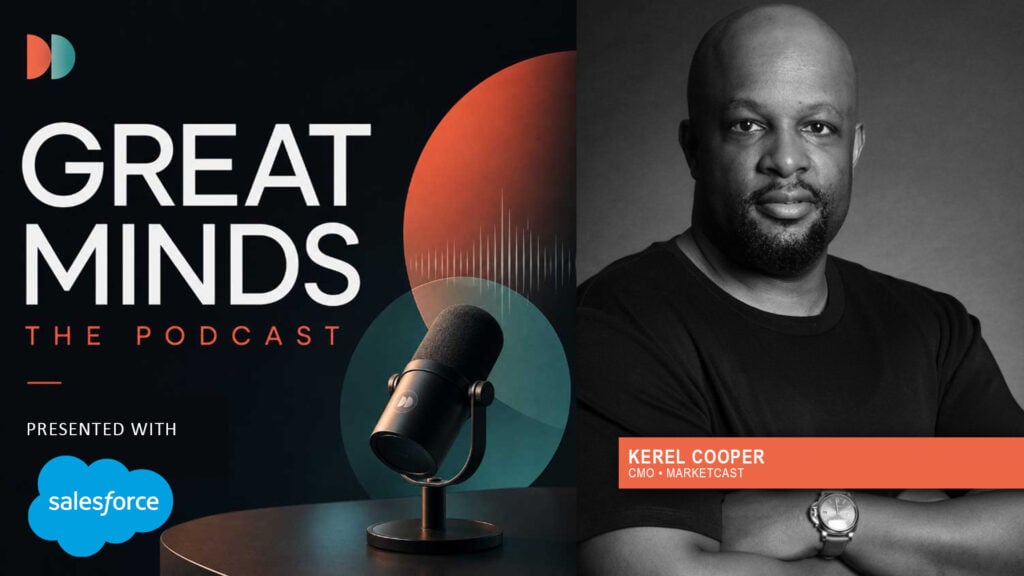
What the Dashboard Can’t Tell You About People Featuring Kerel Cooper of MarketCast
Joining us is Kerel Cooper, Chief Marketing Officer at MarketCast. Kerel shares why he believes marketers can learn from the strongest consumer brands and how human judgment should guide the use of AI in creative work.
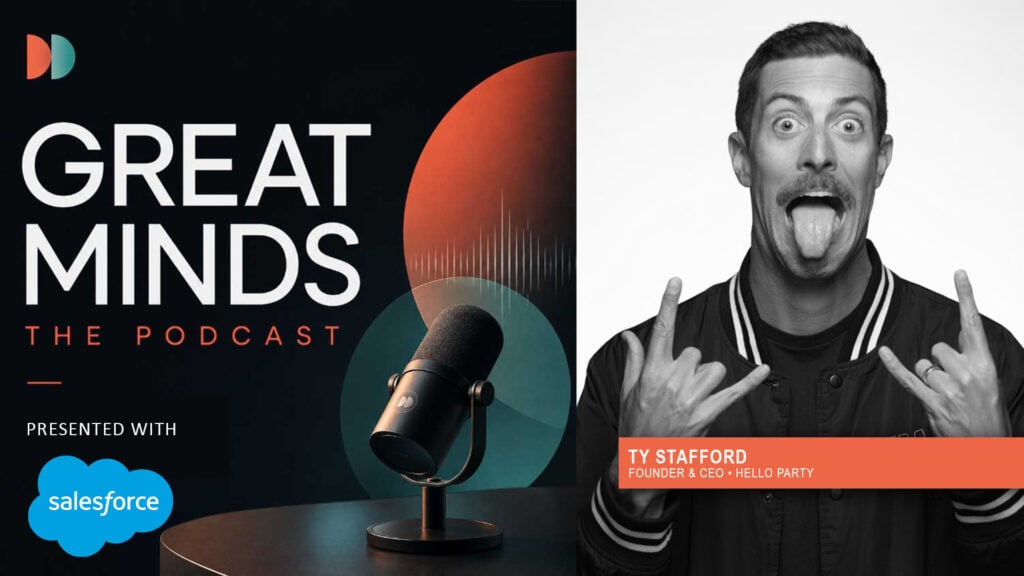
Would You Share It If You Didn’t Work Here? Featuring Ty Stafford of Hello Party
Joining us is Ty Stafford, Founder and CEO of Hello Party, whose experience spans making YouTube videos in his dorm room and working at Red Bull Media House.

From the Conference Floor to the Boardroom: How Kindle Scribe Is Changing the Way Executives Capture Ideas
At Advertising Week New York 2026, Amazon’s Kindle Scribe offers a glimpse into how business leaders are combining the familiarity of handwritten notes with the convenience of digital technology to make the most of an increasingly demanding professional world.