




Storytelling in Modern Marketing 101

In an increasingly saturated and fast-moving digital landscape, where consumers are bombarded with ads across platforms and devices, brands are constantly searching for ways to break through the noise. Enter storytelling—a timeless human tradition that has emerged as one of the most powerful tools in modern marketing.
When done effectively, storytelling transforms a brand from a faceless entity into something relatable, emotional, and memorable. In this article, we’ll explore why storytelling is essential in today’s marketing ecosystem, how it works across channels, and what brands can do to harness its full potential.
Why Storytelling Works
Humans are hardwired for stories. Neuroscience shows that stories stimulate multiple areas of the brain, helping people process and retain information more effectively than facts and figures alone. Storytelling evokes emotion, and emotion drives decision-making—especially when it comes to purchasing behavior.
In marketing, this means a well-told story doesn’t just entertain—it influences. It can shape perception, build trust, and foster long-term loyalty by anchoring a brand in a customer’s memory.
Storytelling as a Differentiator
In a sea of competitors offering similar products or services, storytelling is a powerful differentiator. Consider the difference between a tech company listing product specs versus one that tells the story of how their device helped a small business survive the pandemic. One provides data; the other builds connection.
When a brand tells a compelling story, it rises above commoditization. It gives customers a reason to care—not just about what the brand sells, but what it stands for.
Emotional Resonance and Brand Loyalty
Modern consumers, especially Millennials and Gen Z, want more than transactions—they want relationships with brands that align with their values and worldview. Stories humanize brands, turning mission statements into lived experiences and corporate values into narrative arcs.
This emotional connection is key to building brand loyalty. When customers see themselves reflected in a brand’s story—or are inspired by the brand’s journey—they’re more likely to become repeat buyers and advocates.
Where Storytelling Shows Up in Marketing
Storytelling isn’t confined to one medium or tactic. It can be embedded across every stage of the marketing funnel:
- Advertising Campaigns: Think of Nike’s “Just Do It” ads, which consistently tell stories of perseverance and triumph, rather than just selling shoes.
- Content Marketing: Blog posts, videos, and podcasts can tell origin stories, highlight customer journeys, or share behind-the-scenes moments.
- Social Media: Platforms like Instagram and TikTok are tailor-made for micro-storytelling, using visuals and short-form content to build narrative over time.
- Email Marketing: A series of emails can form an episodic story that keeps users engaged while nudging them toward conversion.
- Brand Websites: From “About Us” pages to customer testimonials, storytelling can reinforce brand identity and credibility.
User-Generated Storytelling
In the age of social proof and influencer marketing, consumers themselves have become storytellers. Encouraging user-generated content—reviews, testimonials, unboxing videos—not only amplifies a brand’s reach but adds authenticity that’s difficult to manufacture in-house.
Campaigns that invite consumers to share their stories also foster a sense of community and co-creation, strengthening the relationship between brand and audience.
Best Practices for Effective Storytelling
To tell stories that truly resonate, marketers should keep the following in mind:
- Be Authentic: Modern audiences are quick to spot inauthenticity. Keep stories honest, relatable, and aligned with your brand values.
- Know Your Audience: Tailor your stories to the motivations, concerns, and aspirations of your target demographic.
- Use a Clear Structure: Every great story has a beginning, middle, and end. Introduce a conflict or challenge, show the journey, and end with a resolution or insight.
- Make It Visual: Whether through video, imagery, or design, visual storytelling enhances engagement and retention.
- Inspire Action: Great stories don’t just entertain—they drive behavior. Connect the story to a larger call-to-action or value proposition.
Storytelling as Strategy
In today’s marketing world, storytelling is not a luxury or a buzzword—it’s a strategic imperative. It allows brands to cut through the clutter, build emotional connections, and turn customers into loyalists and advocates.
While tools and platforms will continue to evolve, the core of effective marketing remains timeless: the ability to tell a story that matters.
By embracing storytelling as a central pillar of your marketing strategy, you’re not just selling a product—you’re inviting people into a narrative they want to be part of. And that’s where the real magic happens.
You May Also Like
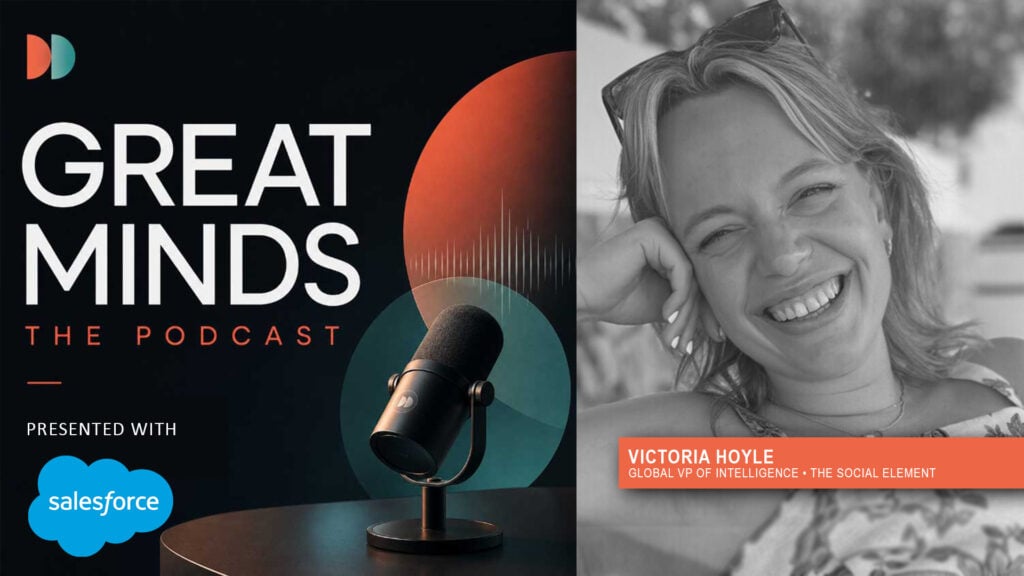
Earning a Place in the Group Chat Featuring Victoria Hoyle of The Social Element
Joining us is Victoria Hoyle, Global VP of Intelligence at The Social Element. Victoria takes us through the agency’s Brand Currency research, explaining how brands build relationships through fandom, conversation, and moments people want to share.
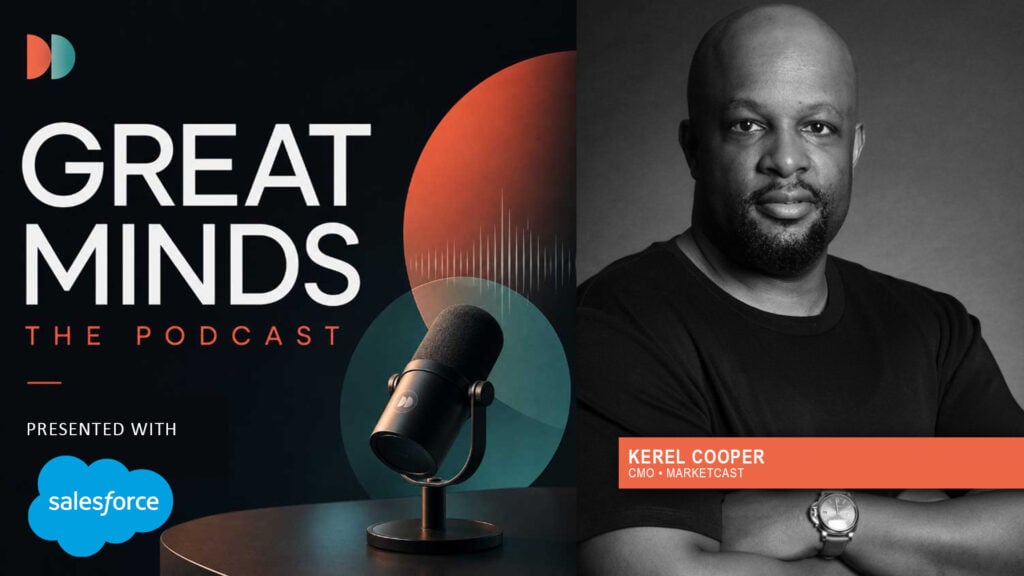
What the Dashboard Can’t Tell You About People Featuring Kerel Cooper of MarketCast
Joining us is Kerel Cooper, Chief Marketing Officer at MarketCast. Kerel shares why he believes marketers can learn from the strongest consumer brands and how human judgment should guide the use of AI in creative work.
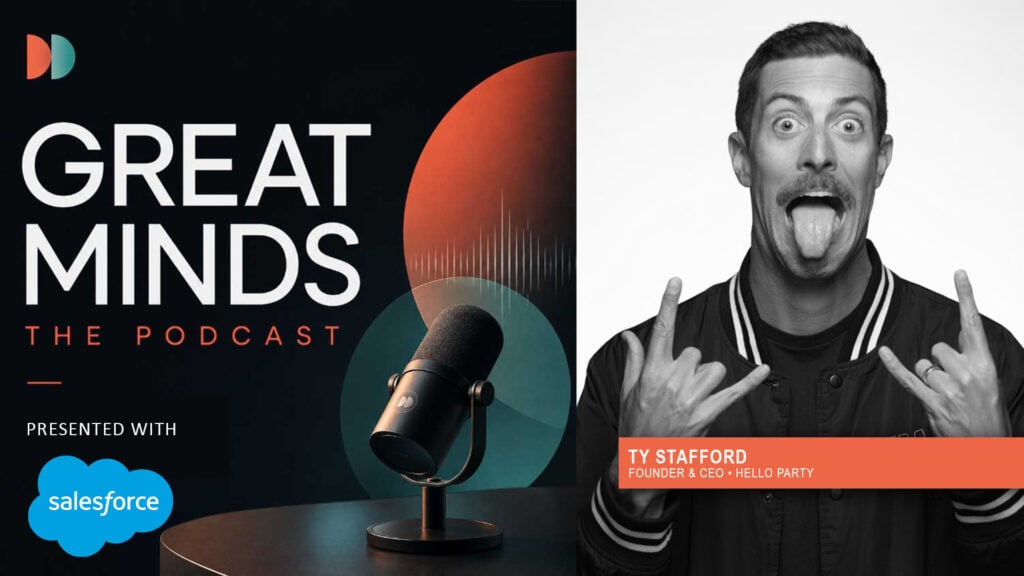
Would You Share It If You Didn’t Work Here? Featuring Ty Stafford of Hello Party
Joining us is Ty Stafford, Founder and CEO of Hello Party, whose experience spans making YouTube videos in his dorm room and working at Red Bull Media House.