




Why Fox’s Roku Acquisition Could Reshape the Future of Connected TV Advertising
By R. Larsson, Advertising Week
Media acquisitions often generate headlines about valuations, regulatory scrutiny, and shareholder impact. While those discussions are important, they rarely explain why marketers should pay attention.
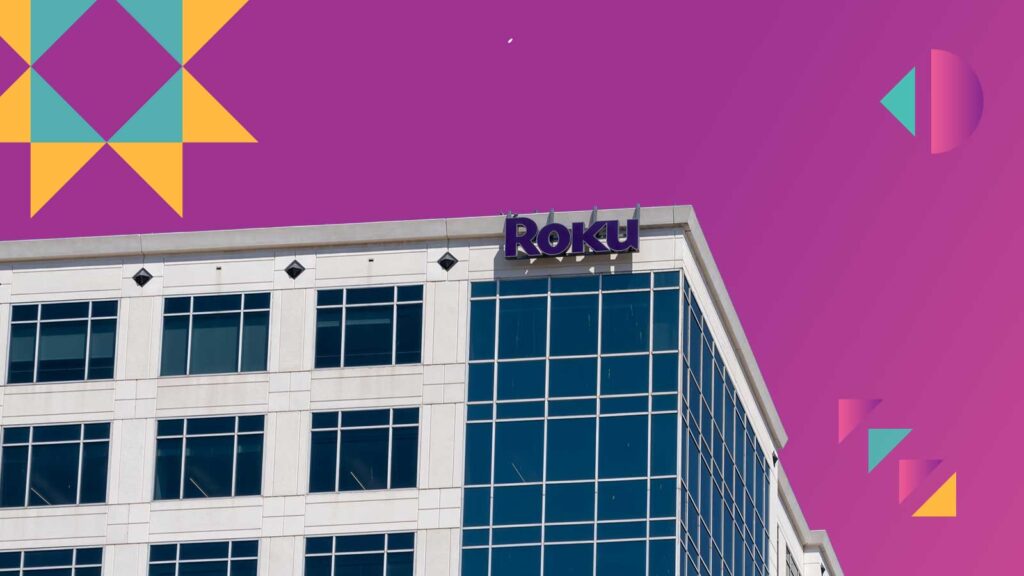
Fox’s acquisition of Roku is different.
The deal arrives at a moment when the lines separating media companies, technology platforms, and advertising businesses are becoming increasingly blurred. For years, content was considered the most valuable asset in media. Today, audience relationships, first-party data, distribution platforms, and advertising infrastructure may be just as important.
Viewed through that lens, Fox’s move is not simply a streaming acquisition. It is a strategic bet on the future of connected TV advertising, audience ownership, and the growing importance of controlling both content and distribution.
For marketers navigating an increasingly fragmented media landscape, the implications could be significant.
The Streaming Wars Have Become Advertising Wars
Much of the conversation surrounding streaming over the past decade has focused on subscriber growth. Platforms competed aggressively for audiences, investing billions of dollars into original programming and exclusive content libraries in an effort to drive recurring subscription revenue.
That strategy is evolving.
As subscription growth slows and consumer attention becomes increasingly fragmented, advertising-supported streaming models are becoming more important. Connected TV advertising, free ad-supported television (FAST) channels, and hybrid subscription models have created new opportunities for media companies to generate revenue while offering consumers greater flexibility.
This shift has transformed the economics of streaming.
Success is no longer measured solely by subscriber numbers. Increasingly, it is measured by audience engagement, advertising demand, and the ability to deliver targeted, measurable outcomes for marketers.
Fox’s acquisition of Roku reflects that reality.
Why Distribution Matters More Than Ever
Historically, media companies focused on creating and licensing content while distributors controlled audience access. The digital era has fundamentally altered that relationship.
Today, the companies that control consumer access points often possess some of the most valuable assets in advertising. They understand how audiences consume content, which platforms they use, how long they engage, and how advertising performs across different viewing environments.
Roku sits at the center of that ecosystem.
As one of the most widely used connected TV operating systems, Roku occupies a unique position between content providers, advertisers, and consumers. It provides visibility into viewing behavior across multiple streaming services while also operating its own advertising platform and content ecosystem.
For Fox, acquiring Roku is not simply about adding another media property. It is about gaining direct access to one of the most influential distribution platforms in connected television.
That distinction is important because distribution increasingly drives both audience intelligence and advertising opportunity.
The Growing Importance of First-Party Data
One of the defining trends in modern marketing has been the industry’s transition toward first-party data.
Privacy regulations, signal loss, and changing consumer expectations have forced brands and platforms to rethink how they collect, activate, and measure audience data. As a result, companies with direct consumer relationships have gained a significant competitive advantage.
Streaming platforms are no exception.
Every interaction within a connected TV environment generates valuable insights about viewing habits, content preferences, engagement patterns, and advertising exposure. Combined at scale, that information creates powerful opportunities for audience segmentation, campaign optimization, and measurement.
For marketers, access to these insights is becoming increasingly valuable as traditional targeting approaches become more challenging.
The Fox-Roku combination creates an ecosystem where content, audience intelligence, and advertising technology can operate more closely together, potentially offering marketers greater visibility into campaign performance and consumer behavior.
Connected TV Continues to Mature
Connected TV has rapidly evolved from an emerging channel into a core component of modern media planning.
Brands are increasingly allocating budget to CTV because it combines the storytelling power of television with many of the targeting and measurement capabilities associated with digital advertising. As audiences continue shifting away from traditional linear television, marketers are looking for scalable ways to reach consumers in premium video environments while maintaining accountability.
The challenge has often been fragmentation.
Multiple streaming services, measurement approaches, technology providers, and audience frameworks have created complexity for marketers attempting to build cohesive strategies. Industry leaders continue searching for solutions that can simplify planning, improve measurement, and create more unified advertising experiences.
The acquisition positions Fox to play a larger role in that evolution.
By combining premium content assets with a scaled connected TV platform, Fox gains greater influence over how advertising products are developed, sold, measured, and optimized across streaming environments.
What Marketers Should Watch Next
The long-term significance of this acquisition will depend on how successfully Fox integrates Roku’s platform capabilities into its broader advertising ecosystem. However, the strategic direction is already becoming clear.
The future of media is increasingly being shaped by companies that control multiple layers of the value chain. Content remains important, but ownership of audience relationships, advertising technology, distribution platforms, and first-party data is becoming equally critical.
For marketers, that means evaluating media partners differently than in the past.
Reach alone is no longer enough. Increasingly, advertisers are looking for partners that can deliver audience intelligence, measurable outcomes, cross-platform visibility, and scalable advertising opportunities within trusted environments.
Fox’s acquisition of Roku reflects a broader industry shift toward integrated media ecosystems where content, technology, data, and advertising operate together rather than as separate functions.
Whether the deal ultimately reshapes the competitive landscape remains to be seen. What is already clear, however, is that the future of connected TV advertising will be influenced as much by platform ownership and audience access as by the content consumers choose to watch.
For marketers, that may be the most important takeaway of all.
You May Also Like
The Entertainment Revolution: Why Brands Need to Think Beyond the Screen
As gaming, streaming and social media reshape how audiences experience entertainment, marketers face a fundamental challenge: Learning to participate in culture rather than simply advertise alongside it.

More Than the Game: Earning a Place in the Fan Conversation
Ann Piper, Head of Sales for the Americas at Spotify, moderated the discussion with Angela Steele, Chief Client Officer, U.S. at WPP Media; Wes Harris, Director of Marketing for YouTube TV at Google; and Juliet Litman, Director of Talent and Operations at Spotify Podcast Studios.

Traditional Attribution and Promo Codes Share the Same Blind Spot
Traditional attribution and promo codes share the same blind spot.