




Healthcare AI Should Make Care Feel More Human

Healthcare has spent the last few years talking about AI in terms of efficiency. It can reduce administrative work, organize information and give physicians faster access to what they need. All of that is useful, but efficiency isn’t necessarily what patients remember about healthcare.
They remember whether their doctor listened, whether someone seemed to know them and whether they left understanding what happens next. In my conversation with Rose Baki of Lippincott, we talked about what happens when healthcare stops looking at AI simply as a tool and starts looking at it as part of the patient experience.
Giving Physicians More Room to Be Human
There was a time when your doctor seemed to remember things about you beyond your symptoms. As healthcare became more rushed, some of that familiarity disappeared. AI could help bring it back by pulling together years of information and giving physicians useful context before they walk into an appointment.
The same goes for AI transcription. If a physician isn’t spending an appointment typing notes, they can spend more of it listening. The technology isn’t replacing the relationship in either case. It’s creating more room for one.
Digital twins take that idea further. A digital version of a physician could know a patient’s history, remember previous conversations and answer questions when the actual doctor isn’t available. That could be incredibly useful for patients trying to process complicated information on their own time, but it also forces healthcare organizations to decide where technology should support the relationship and where a human still needs to be there.
AI Is a Brand Decision
Once AI starts communicating with patients and shaping their experience, it becomes part of the healthcare brand whether the organization intended it to or not. These decisions can’t live exclusively with IT when they affect how patients feel about the organization providing their care.
That means leadership, marketing, clinical teams and technology need to be having the same conversation. What should the patient experience feel like? Which moments should be distinctly human? Where can technology make those moments better?
Those questions become particularly important because healthcare organizations often treat branding as a project that eventually ends. But if a brand promises personal, compassionate care and the AI experience feels impersonal or confusing, patients aren’t going to separate the two. To them, it’s all the same experience.
Trust Still Comes Down to the Experience
As AI becomes part of scheduling, communication and more complicated areas of healthcare, transparency about where it is being used and how patient information is being handled will matter. So will consistency between what a healthcare brand promises and what patients actually experience.
Clinical excellence will always be important, but most of us know the story of the brilliant doctor who was terrible with patients. Expertise may get someone in the door, but empathy, reassurance and feeling seen have a lot to do with whether they come back.
The healthcare organizations that get AI right may not be the ones that make it the most visible. They may be the ones that use it to give physicians better information, patients clearer answers and both sides more room for an actual relationship. The goal shouldn’t be making healthcare feel more technological. It should be using technology to make the care feel better.
You May Also Like
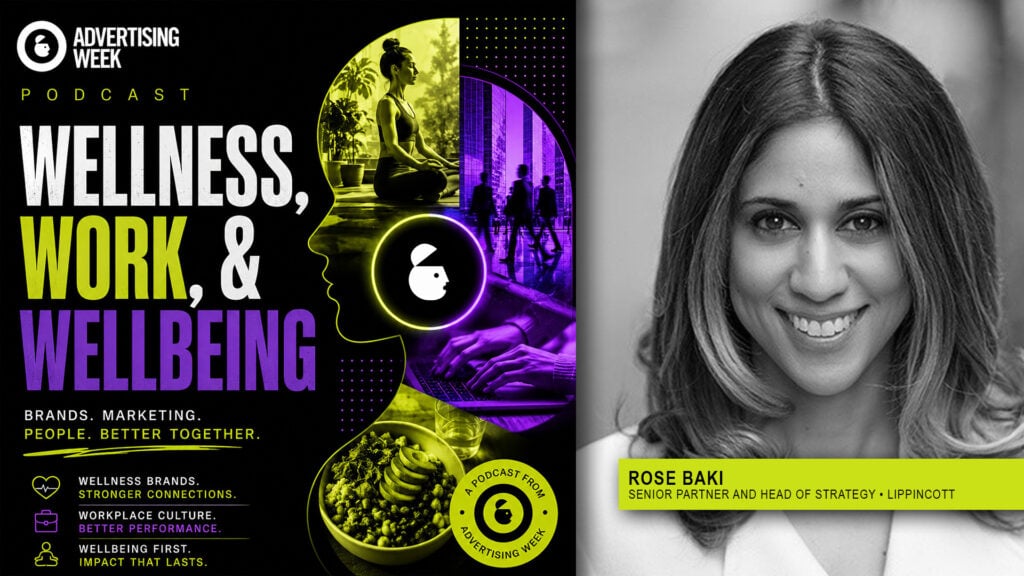
Healthcare Has a Human Experience Problem Featuring Rose Baki of Lippincott
Rose Baki, Senior Partner and Head of Strategy at Lippincott, joins Wellness, Work & Wellbeing to talk about why the strongest healthcare brands start with the patient experience and why that experience has to extend well beyond marketing.

Meet Blu, The UPS Store’s New Brand Character
Few spokescharacters, and mascots, exist in the small business space, but The UPS Store is changing this narrative with the debut of Blu, their first-ever brand character.
How Has Your Data Strategy Changed With Agentic AI at Your Doorstep?
The next generation of data strategy is not about giving machines more access to data.