




Are You Super Bowl Ready?

By Lauren Douglass, SVP Global Marketing, Channel Factory
The Super Bowl is the single biggest entertainment event in the United States, and has always been a cornerstone strategy for brands to reach a massive audience in a brand-safe environment (wardrobe malfunctions notwithstanding). But it comes with an average price tag of $5.5 million for a 30-second spot.
With this kind of investment, what makes sense for brands who are running spots is to leverage that massive reach with multi-screen ubiquity. Video is the strategy, not linear + streaming + YouTube + sponsorships et al. There is no longer a distinction. Users don’t think so and neither should we.
Engaging with fans in the weeks leading up to, during and even after the game ends will build the most robust video strategy. While hitting all those other screens won’t have that multi-million price tag, it will still require investing in the right creative for the platform. It’s not enough to just blast your 30-second spot anymore.
To Deviate or Not?
This hasn’t been a normal year, and it looks like it won’t be a normal Super Bowl, not least because it will be live-streamed to maximize viewership.
With a streaming Super Bowl, there will be fragmentation of viewers, but also new opportunities for brands and advertisers to reevaluate their holistic strategy. We are already seeing some brands skip the traditional 30-second spot and opt for a different type of campaign. Pepsi, a long-time Super Bowler made waves when it announced they had plans to forgo its 30-second slot and focus on a social media campaign leading up to the halftime show. Budweiser also announced that it will not run a Super Bowl ad for the first time in 37 years and instead will use the Super Bowl investment to support COVID-19 vaccine efforts.
If household names like Pepsi and Budweiser are reimagining their Super Bowl strategies, it is possible others will make changes. As more brands branch out to multi-platform strategies, YouTube and other social players will be critical in the evolution of advertising.
The Multi-platform Solution
Advertising during the Super Bowl is a hefty investment; one that many smaller brands are not interested in making. However, with advertising taking on a new look this year, there are more opportunities to participate. It would cost about half as much as a Super Bowl spot would to reach the same number of people on YouTube throughout the Super Bowl week via 6-second bumpers on YouTube. Most brands don’t need to reach 100M people, so they can better target their right audience for a much smaller media investment.
More brands involved also means advertisers have to be more creative, in order to grab the attention of viewers. As the Super Bowl is streamed on a number of different platforms, the audience is more fragmented than ever with advertisers needing to reach viewers in as few as 10 seconds, not 30.
So You’re Going Digital… Now What?
Super Bowl ads have never shied away from tackling serious issues. Whether it was showing political ads during the big game last year, or socially conscious calls for togetherness, the ads have always approached news and culture head-on. With so much social disruption, many are predicting that this year’s ads are going to look a little different. Even if brands are opting for a multi-platform approach, it is still important that they remember why people are engaging with their content. Many look to television as an escape from reality.
A multi-screen campaign can inform the overall creative strategy and, it will be absolutely critical — in the wake of the past few months of massive upheaval and unrest — to be thoughtful about the content those brand messages show up next to: Is that adjacent content culturally relevant? Is it high quality? The ad and the context should go hand in hand.
The Super Bowl Advertising Landscape Moving Forward
The Super Bowl advertising landscape this year will be unlike anything we have seen before. With the world turning upside down over the past year, brands and advertisers are quickly adapting to the new way of doing things. Advertisers are left with no choice but to meet their audiences where they are, and that means revamping the traditional Super Bowl advertising strategy. The one thing we do know is that we can anticipate change that could inform future strategies.
You May Also Like
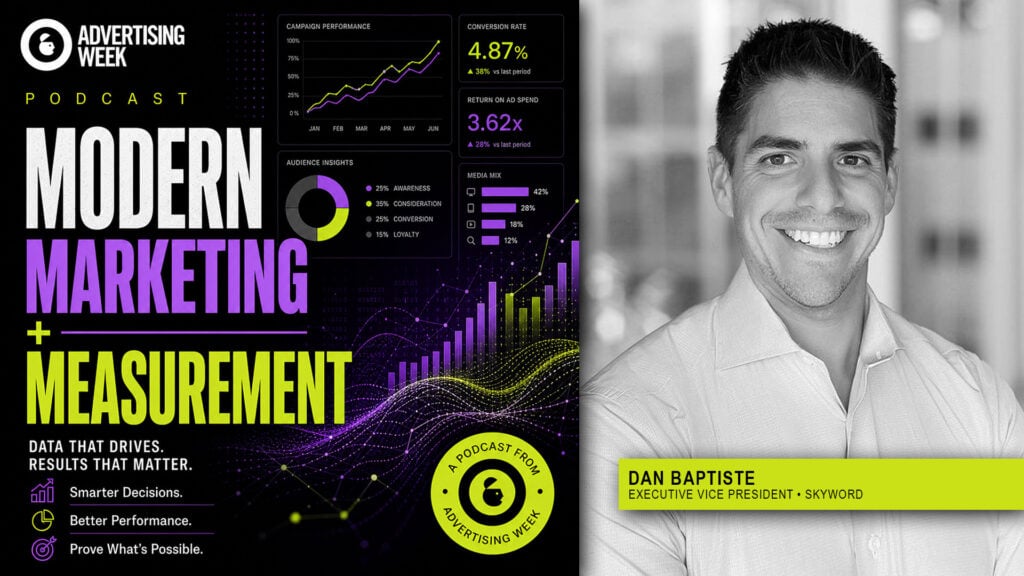
Please Stop Chasing Prompts, Featuring Dan Baptiste of Skyword
Dan Baptiste, Executive Vice President, Skyword, joins Modern Marketing and Measurement to discuss how brands can build authority through original expertise, a clear point of view, and teams that actually work together. Drawing on his experience helping companies tell their stories, Dan explains how a Vegas resort can accidentally become known for gambling instructions, why being cited is different from being recommended, and what marketing departments might learn from looking beyond their own org charts. He brings humor to a serious question: What does a brand contribute that customers cannot get everywhere else?

Your Marketing Looks Like Your Org Chart. Dan Baptiste Has Some Notes.
Choosing a position can make executives nervous. If a brand becomes more specific about what it believes and whom it serves, what happens to everyone else?
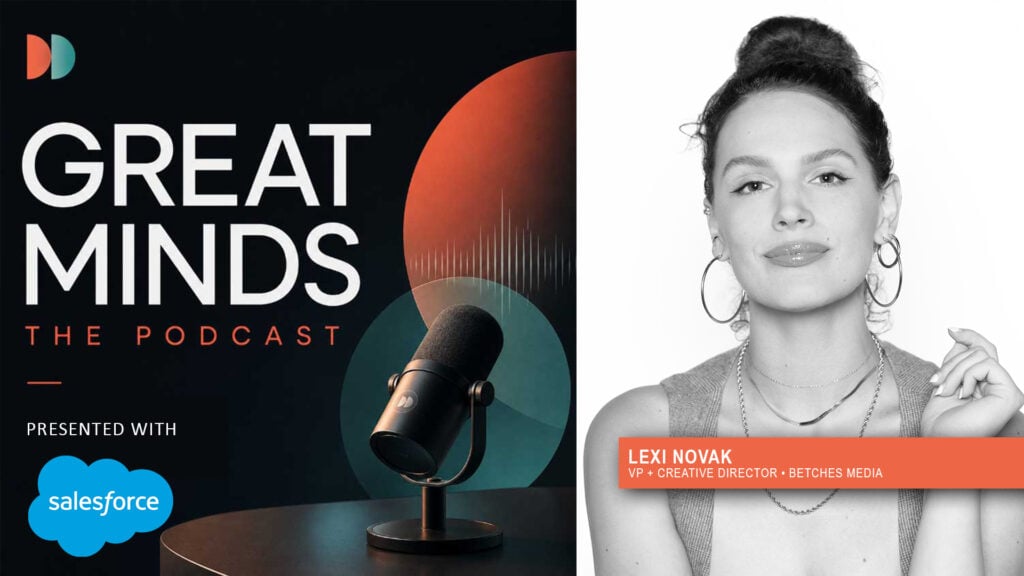
Lexi Novak of Betches Media on Why Audience Connection Beats Content Creation
What does it take to build a media brand that audiences genuinely connect with, and what can marketers learn from a company that has made humor, honesty, and cultural relevance its calling cards?