Your Marketing Looks Like Your Org Chart. Dan Baptiste Has Some Notes.

By Becky Johnson, Advertising Week Writer & Podcast Host
A marketing department can have a busy content team, a busy social team, and a busy demand generation team, all doing good work and telling slightly different stories. On Modern Marketing and Measurement, Dan Baptiste, Executive Vice President at Skyword, describes a problem that will sound familiar to anyone who has worked inside a large company: the marketing starts to resemble the departments producing it.
“Your marketing looks like your org chart, which is a real problem,” Dan says. Each team may have a reasonable strategy and its own goals, but together those efforts can leave customers with a scattered understanding of what the company actually does best. In Dan’s view, that fragmentation also matters as AI systems draw on information across a brand’s reputation to describe and recommend it.
The answer begins with a decision that can be surprisingly difficult: What does the company want to be known for? Before the content calendar gets any fuller, someone needs to answer that question.
The Trouble With Filling Every Box
Dan has spent about 16 years at Skyword, helping brands build relationships through content. He recalls early clients including Mastercard and IBM. The premise was straightforward: Bring useful expertise to people, build a position of authority, and earn traffic, influence, and revenue.
Over time, he says, that work became increasingly driven by keyword lists. Brands produced safe, neutral articles that could have come from almost anyone, hoping the traffic would justify the effort. The work kept moving, but the reason for doing it became harder to recognize.
Now, answers delivered directly through search and AI have disrupted the exchange between publishing content and receiving a visit. Dan has little patience for responding by trading keyword chasing for prompt chasing. His concern is that marketers will preserve the same habits under a different name, producing more material without adding anything useful to the conversation.
What Happens When a Resort Teaches Gambling
Dan shares an example of a large resort casino in Las Vegas that had published broad information about how to gamble. When Skyword analyzed how AI interpreted the brand, it found a general gambling resource rather than the distinctive resort experience the business could offer.
There is a meaningful difference between explaining the rules of a game and helping someone plan the right Vegas trip. A resort has experience, people, and knowledge that can make the second conversation valuable. Publishing more of the first may reinforce a reputation that does little to distinguish the business.
For Dan, authority comes from contributing something specific: original data, firsthand experience, expert insight, or a perspective that adds to what is already available. A byline alone does not establish that expertise, and a well-structured page cannot compensate for having little to say. The substance has to be there.
The Risk of Having Nothing to Say
Choosing a position can make executives nervous. If a brand becomes more specific about what it believes and whom it serves, what happens to everyone else?
“If you don’t have a point of view, you ostracize everybody,” Dan says. His advice is to look at why the company started and why that purpose matters now. That offers a more useful starting point than a room full of executives inventing opinions they hope will sound distinctive.
The products and services need to belong in that story, too. Dan questions the familiar practice of attracting people with broadly interesting content and waiting until they reach the website to introduce what the company sells. A company’s expertise, its view of the market, and the things it makes should help explain one another.
He describes a conversation with a marketing leader who admitted he had not needed to make a clear choice about differentiation in 10 years. That admission gets at the difficulty here: Choosing means deciding where the company has a credible advantage and giving people a reason to understand it.
Being Cited Is Only the Beginning
Measurement needs the same scrutiny. Dan cautions against replacing familiar SEO vanity metrics with a new set of AI vanity metrics, particularly if being visible or cited becomes the achievement on its own.
He wants marketers to ask whether the brand is influencing the conversation and being recommended. Skyword examines how content fits together around topics, whether it expresses a clear position, and whether individual pages contain substantive expertise. Dan also discusses sentiment and how a brand appears in AI answers, while keeping the focus on what those appearances mean for customer decisions.
He acknowledges why this is uncomfortable. Familiar activities can retain their place because they are easy to measure, even as the metrics decline. Moving toward a different understanding of success requires a strong strategy and enough confidence for teams to participate while the measurement remains difficult.
A Little Collaboration, Possibly Some Therapy
That brings the conversation back inside the company. Dan jokes that some of this work involves therapy sessions, but he is sympathetic to the people being asked to change. Giving up ownership of a message or a channel can feel risky, particularly when expectations are high and the path forward is unfamiliar.
He describes bringing colleagues together who work in the same department but have never truly collaborated. One has an expert who can explain an issue; another has data that could strengthen the story. A shared direction gives them a reason to connect those contributions and then explore the subject across their different channels.
Dan’s optimism comes from that possibility. Brands can use this moment to make better use of their people, help customers understand important decisions, and explain why their products deserve a place in the conversation. The work starts with a clear choice about what the company can contribute, followed by enough cooperation to tell that story together.
You May Also Like
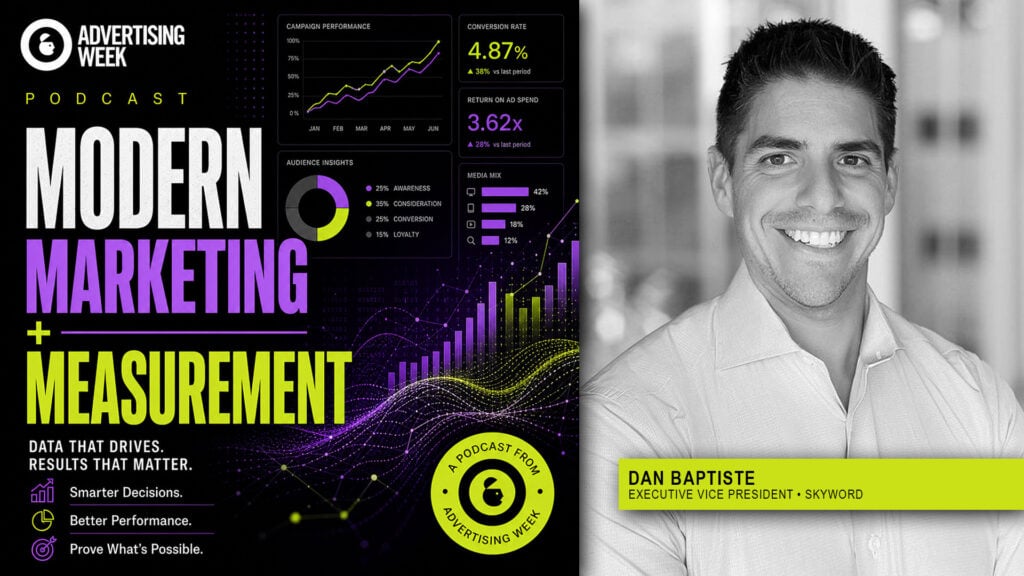
Please Stop Chasing Prompts, Featuring Dan Baptiste of Skyword
Dan Baptiste, Executive Vice President, Skyword, joins Modern Marketing and Measurement to discuss how brands can build authority through original expertise, a clear point of view, and teams that actually work together. Drawing on his experience helping companies tell their stories, Dan explains how a Vegas resort can accidentally become known for gambling instructions, why being cited is different from being recommended, and what marketing departments might learn from looking beyond their own org charts. He brings humor to a serious question: What does a brand contribute that customers cannot get everywhere else?
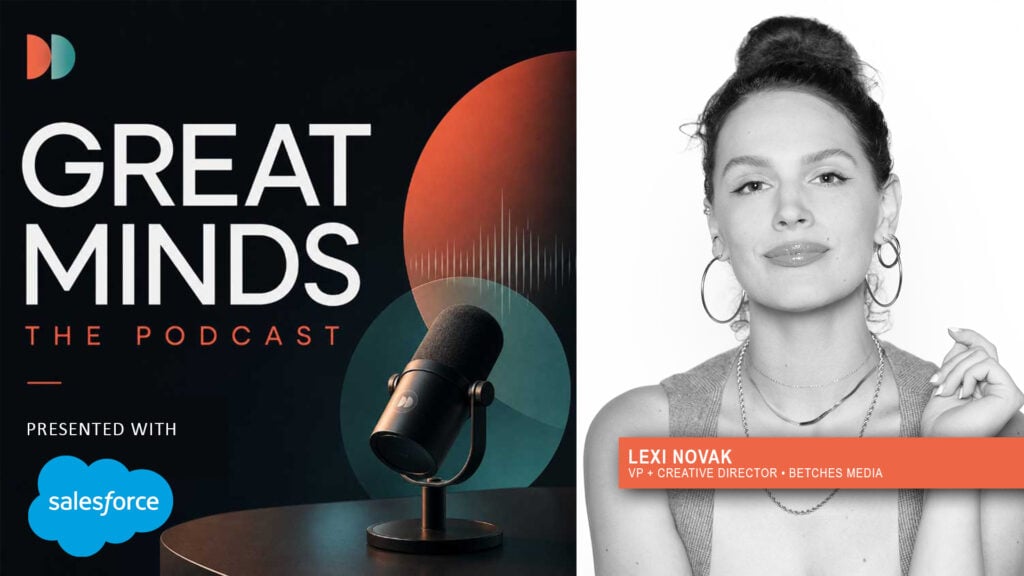
Lexi Novak of Betches Media on Why Audience Connection Beats Content Creation
What does it take to build a media brand that audiences genuinely connect with, and what can marketers learn from a company that has made humor, honesty, and cultural relevance its calling cards?

The Privacy Payoff: What 11,000 Consumers Want Marketers to Know
At Advertising Week New York 2026, Usercentrics’ Maureen Prado argued that clearer explanations and greater consumer control can help brands build the trust needed to sustain customer relationships.