




Fandom to Effectiveness: How Passion Drives Performance
By Helen Myers, Advertising Week Correspondent
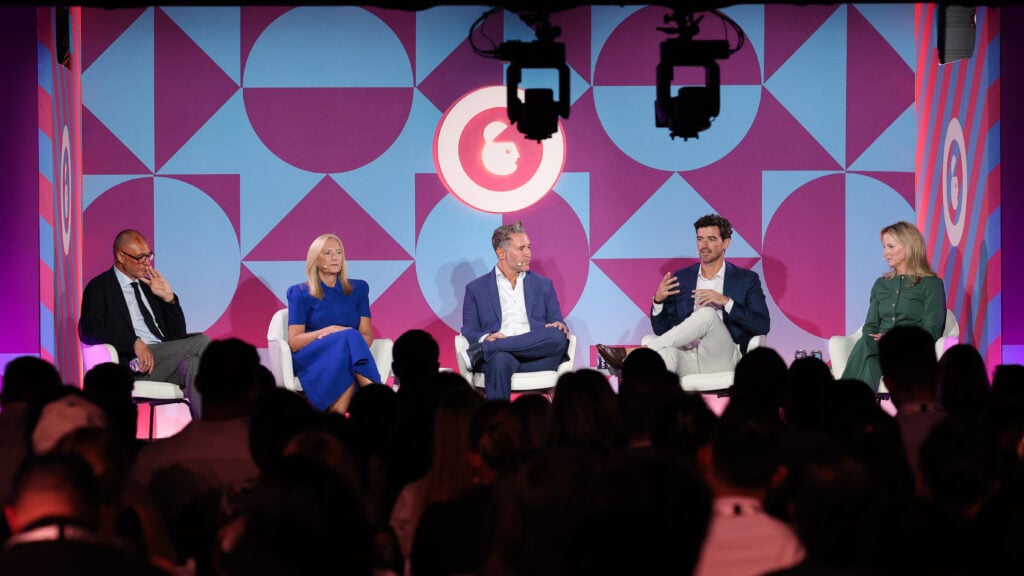
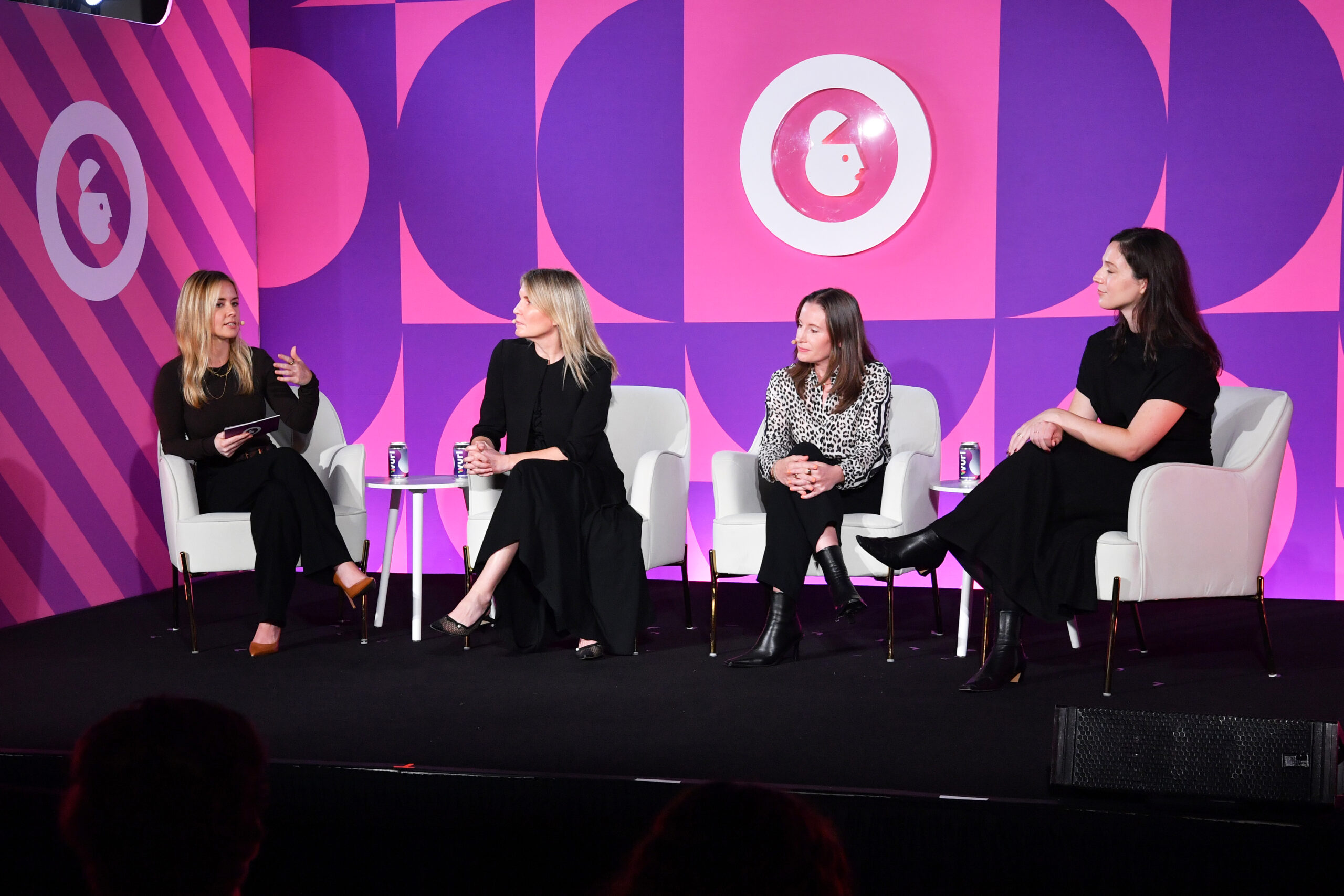
Jenny Haggard, Head of Global Thought Leadership at Spotify, led a panel on the power of fandoms in the advertising and marketing realm.
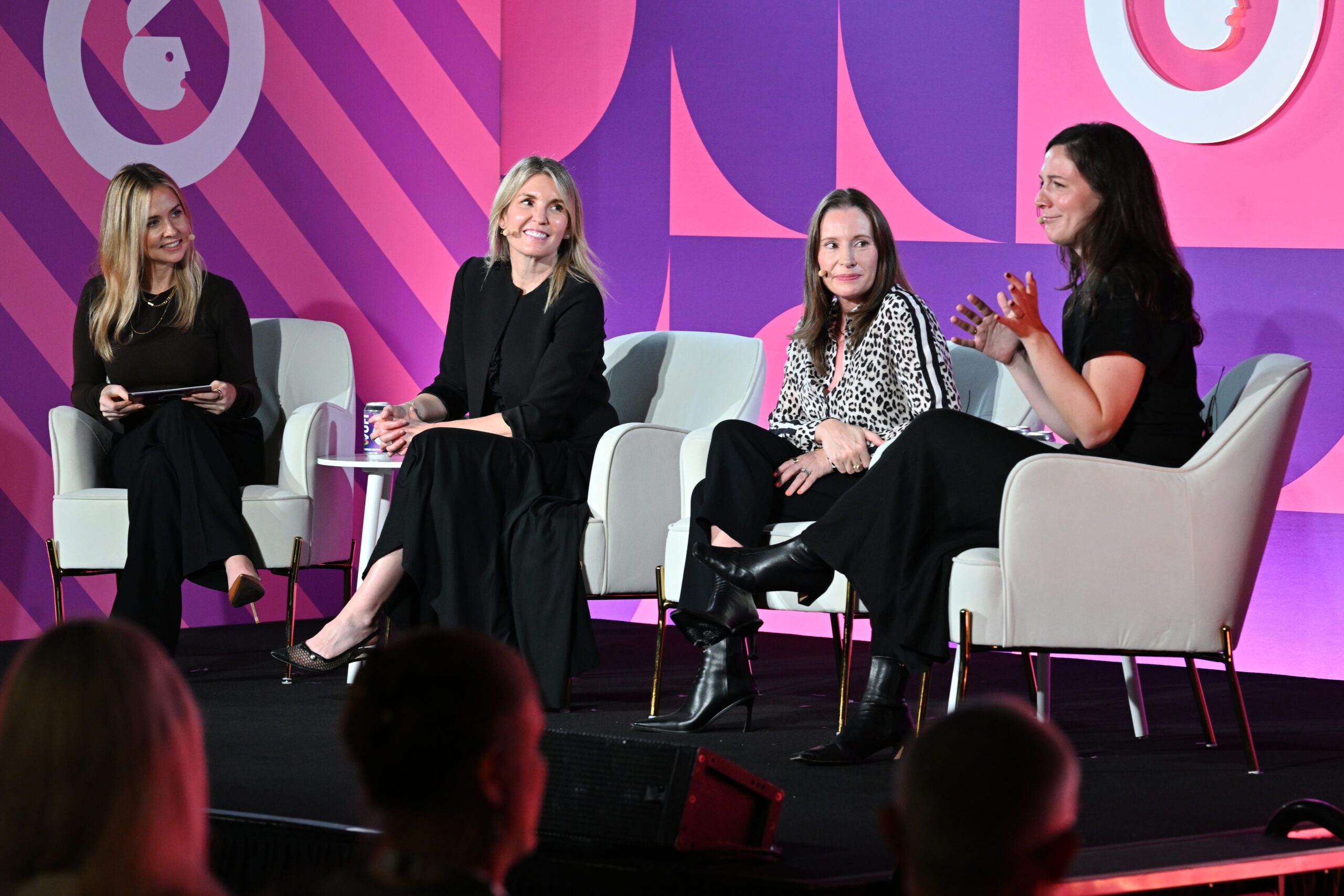
Haggard started by contextualizing how fandoms are dominating both culture and the marketplace in 2025. She explained that Spotify is where fandom thrives, and that this landscape contributes to how users interact with the platform. “68% say that time spent on Spotify feels more positive than time spent on social media. This isn’t just about time spent. This is about time well spent, which I think is a more interesting metric,” she said.
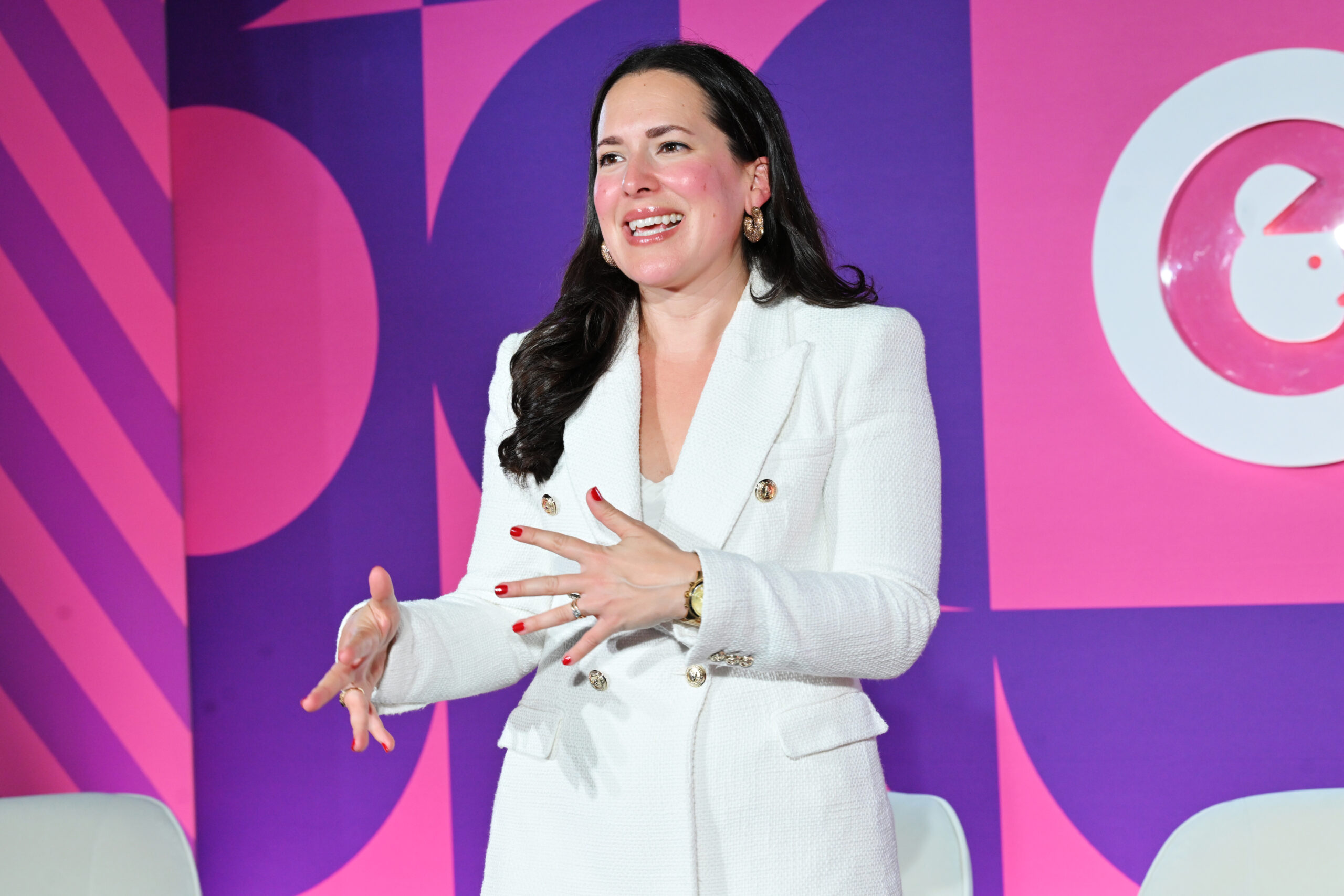
Music is personal, and Spotify has implemented features that feed listeners the music they already enjoy, while also anticipating what they might like next based on their streaming behavior. “You really can be a fan of anything thanks to our massive catalog of content and our AI-driven streaming intelligence. It’s why if all this were to open up our Spotify right now, they would all look different,” Haggard said. AI has also helped in sorting through data and finding patterns that reflect larger cultural moments.
In recent years, the introduction of visual elements on the platform has elevated the user experience to include more than just music. Podcasts on Spotify can now have accompanying video, which provides new opportunities for users, creators, and advertisers. “Podcasts elongate culture in a world where people are increasingly fed up with misleading sound bites and are instead craving depth, intimacy, and knowledge,” Haggard explained.
Spotify is the platform for marketers who want to reach an engaged audience. “We help you turn passion into performance. So whether you’re focusing on upper funnel or lower funnel objectives, we can help you drive results, because simply showing up in a positive environment means that you’re not just reaching audiences, you’re reaching highly engaged fans.”
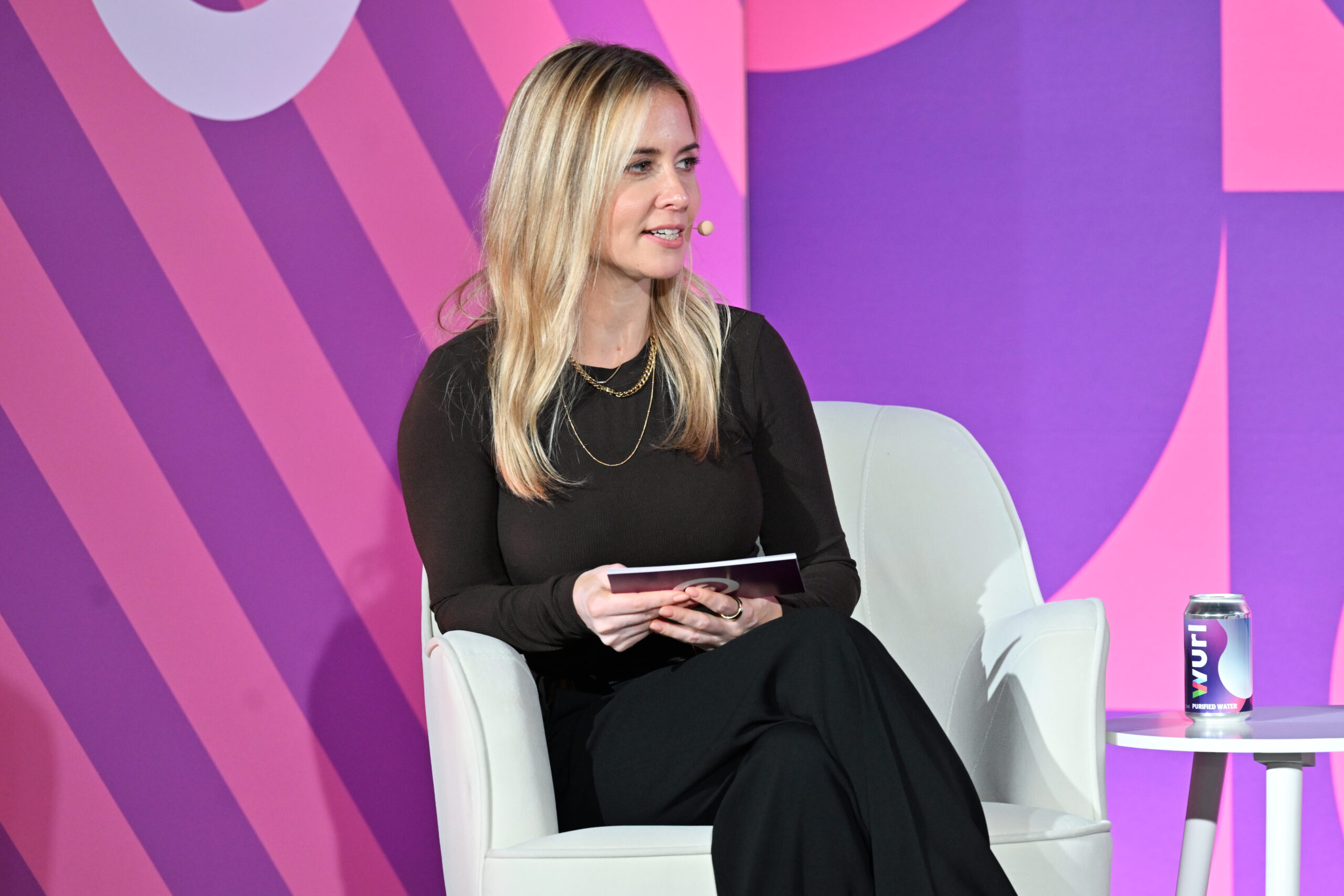
Bridget Evans, Global Head of Business Marketing for Spotify, added to these sentiments. “On one side, you have the deeply engaged audiences in a highly, highly engaged, positive environment. On the other hand, you can buy through automated channels that allow you to optimize and control the measurement solutions that you need to drive performance,” Evans said.
Allegra Krishnan, Chief Loyalty and Engagement Officer at McDonald’s, mentioned that McDonald’s has had extreme growth in their first-party data and uses it for optimization, particularly with partnerships. “We talk a lot about this concept of standing out in culture. And I think a lot of that is being able to take that first-party data and really understand our customer base within partnership ecosystems. It also helps us to have a better understanding of where our customers are and what is going to be meaningful for them,” she said.
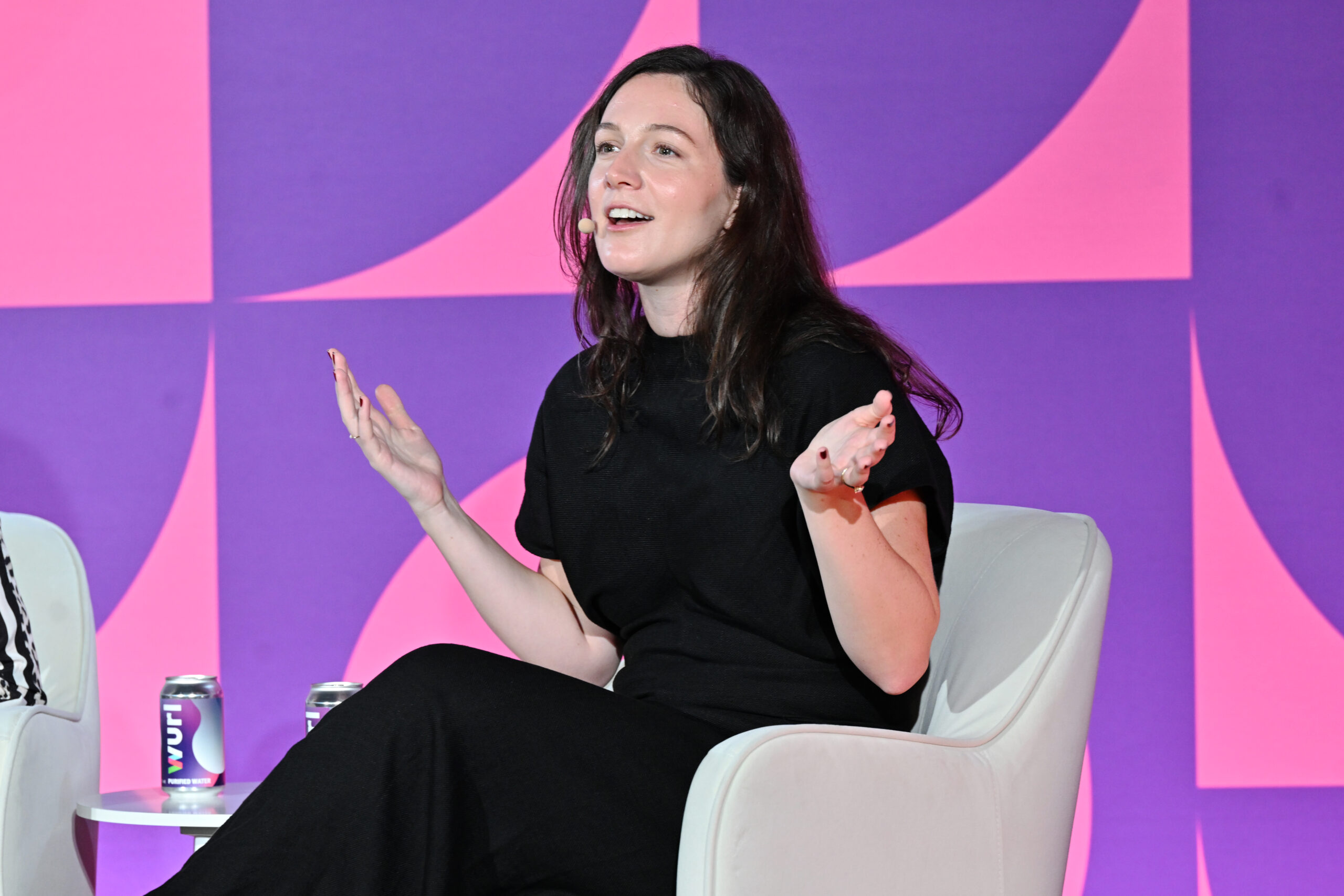
As for the campaigns themselves, more interactive advertising experiences are pushing through the industry. Tracy-Ann Lim, Chief Media Officer at JPMorgan Chase, says that its more effective to focus on building credibility over the years and worrying less about campaign deadlines. “When it comes to experiences, we’re betting that the bar needs to be on the unforgettable part of the equation. So an unforgettable experience is what’s more likely to drive trust. Trust drives loyalty, and loyalty is a competitive advantage,” she said.
You May Also Like
Amazon Ad Case Exposes the Post-Click Blind Spot
On 31 August, the US Federal Trade Commission and a bipartisan group of 22 states sued Amazon, alleging that it rigged the auctions behind its Sponsored Products ads.
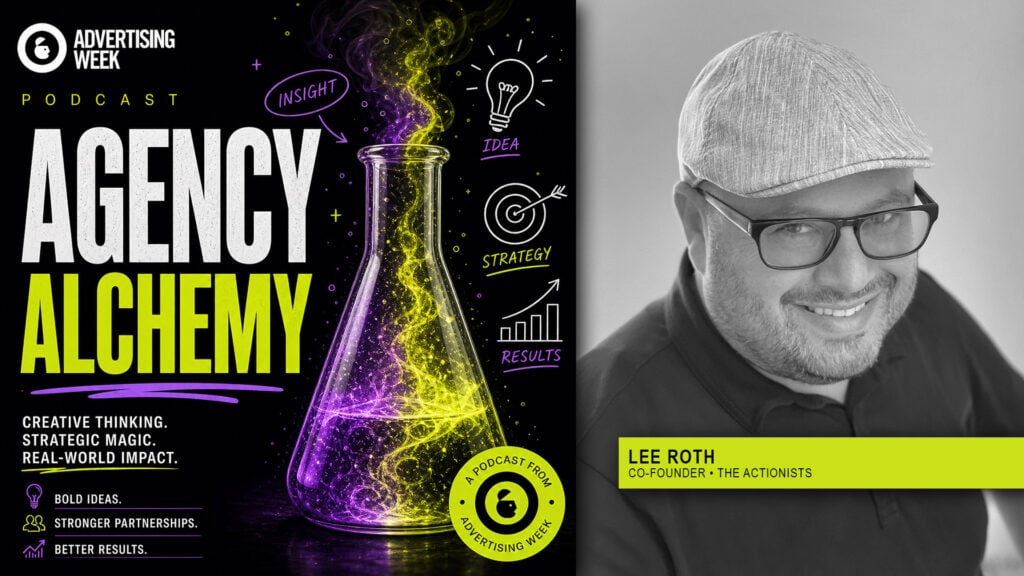
Marketing Isn’t Broken. The Organizations Behind It Are. Featuring Lee Roth
What happens when Hollywood filmmaking collides with the agency world? Rick Wayne, Executive Creative Director at Brand Imagination Group, joins Agency Alchemy to explore why the traditional agency model is struggling to keep pace with modern creativity and what might replace it.

Your Best Black Friday Ad Might Be the One Your Brand Team Hates
Every year as Black Friday approaches, brands start looking more closely at the creative they plan to put into the market.