




Is AI Pushback Driving User Acquisition Away From the Platforms?

By Uriah Av-Ron, Oasis PR
We’ve all heard about the boos commencement speakers are getting when mentioning AI in their commencement addresses, as new graduates show their concern that AI is taking their jobs, many with significant student loans to repay.
The pushback against AI is also being felt in other sectors, including in digital marketing among User Acquisition (UA) managers. Zoomd recently commissioned an analysis in Reddit and X.com from real-time marketing intelligence solution Rapisight regarding UA managers’ sentiments towards Google and Meta for mobile UA campaigns.
From a macro-level analysis, here are the leading themes that Rapisight’s analysis uncovered: ‘AI’s role as a double-edged sword for creativity and strategy’, ‘loss of control over creative and strategy’, ‘automated platforms make unpredictable and costly mistakes,’ and ‘navigating rising costs and performance uncertainty’ as the leading themes from multiple UA managers sharing frustration in Reddit and X.com. Each of these themes had 80-90 posts according to Rapisight’s analysis aggregation.
For example, under ‘AI’s role as a double-edged sword for creativity and strategy’, posts focused on their belief that AI is a tool for generating quick and cheap content. Those posting were skeptical regarding the ability for AI-driven ad creative to convert as well as human-created ad creative. Respondents want AI to augment, not replace, marketers’ skills and strategic thinking.
Control vs. automation
One of the main challenges UA managers are experiencing is the loss of control when working with Meta and Google. They’re now required to upload more ad creative, which takes time to produce, and the platforms then make unexplained optimization decisions in a vacuum\closed ‘black box’. For some, the cost of the additional ad production needed negated the benefits of the automation technology.
As Meta and Google update Advantage+ and Performance Max, UA managers can face dramatic spikes in performance or even have campaigns paused without an explanation, which is a real problem in the middle of a critical campaign. Some UA managers cited by Rapisight’s analysis have seen sudden 30%+ increases in user acquisition costs, hurting campaign budgeting and even causing UA managers to entirely drop a leading platform.
With the platforms cutting support and account staff in recent years, UA managers expressed that they feel powerless when platforms change settings or generate new creative assets without marketer consent, which results in overspending, poor performance or difficulty in understanding attribution.
Numbers don’t lie
Despite the concerns of many UA managers, both Meta and Google are experiencing strong financial performance. In Q1 2026, Meta and Alphabet (Google’s parent company) reported increases in revenue of 33% and 20, respectively. These are numbers that few companies would be disappointed with. Mark Zuckerberg’s claim last year that marketers could just tell Meta what their marketing objective is, how much they’re willing to pay, and connect to their bank account, and Meta will do the rest didn’t win him any fans among digital marketers and UA managers.
As always… the truth is somewhere in the middle
As effective as Meta and Google are in finding and converting users thanks to their scale and technology, research shows that optimal performance comes from broader campaigns, including the open web. Research from Moloco, Sensor Tower, and Singular found that apps that diversify their media mix beyond the walled gardens improved their 30-day Return On Ad Spend (ROAS) by up to 214%.
According to data from Zoomd, optimal campaign performance occurs when marketers advertise on Demand Side Platforms (DSPs), ad networks, CTV channels, and OEM device advertising alongside Meta, Google, and other relevant walled garden platforms.
Research from EMARKETER found that while Google, Meta, and Amazon have increased their total share of ad spend from 47% in 2020 to 59% in 2025, their share of digital ad spend actually decreased from 74% to 72% over the same time period. This data, coupled with the insights gathered from UA managers and the research from Moloco proves the importance of open web advertising alongside the leading walled garden platforms for optimal user acquisition performance.
You May Also Like
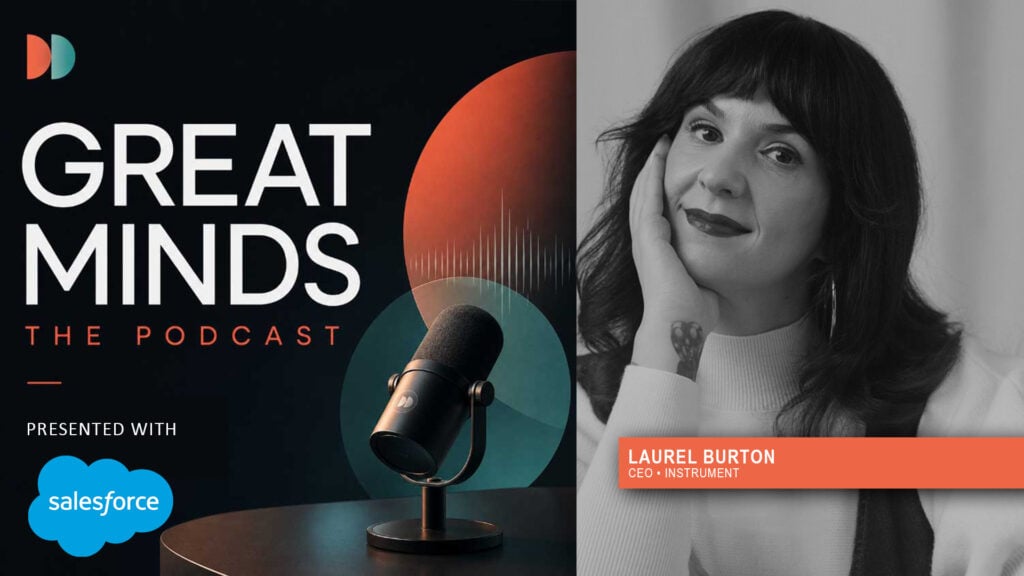
Stop Pitching and Start Building Featuring Laurel Burton of Instrument
Joining us is Laurel Burton, CEO of Instrument, a design and technology company whose work includes Nike, Oura, Google, and Nordstrom.
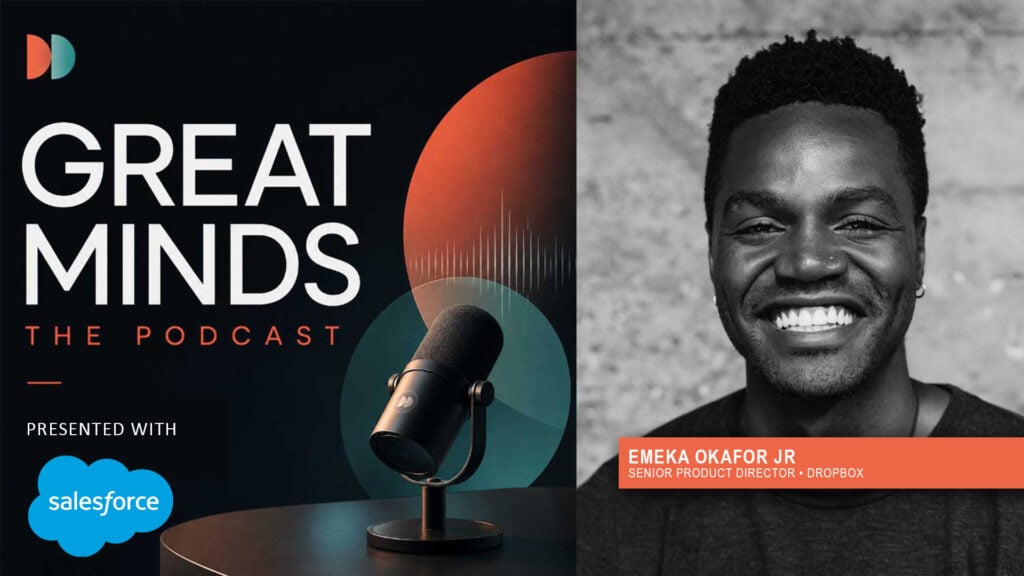
Customer-Led Products with Intentional Leadership Featuring Emeka Okafor Jr. of Dropbox
Joining us is Emeka Okafor Jr., Senior Product Director at Dropbox, who leads product for its applied AI division.

Podcaster Brinda Adhikari on Building Trust Through Curiosity, Not Correction
Brinda Adhikari, a journalist and the co-host of the podcast “Why Should I Trust You?,” joins host Drake Baer to discuss what it takes to build trust in science and public health across deep divides.