




The Automotive Retail Playbook: How Brands Can Win Consumers at the Modern Mall
By Kristen Jackman, SVP, Westfield Rise
For decades, the automotive industry has understood a fundamental truth: consumers don’t buy cars the way they buy most products. Vehicles are emotional purchases. They require discovery, consideration, physical interaction, and trust.
What has changed is where those moments happen.
Today’s consumer journey is fragmented. Shoppers move fluidly between social platforms, streaming content, search, retail environments, and real-world experiences before making a purchase decision. For automotive brands, success is no longer about choosing between digital and physical channels. It is about creating a connected ecosystem that brings both together.
Increasingly, the mall is becoming one of the most effective places to do exactly that.
Step 1: Turn Awareness into Discovery
The first challenge for automotive marketers is visibility.
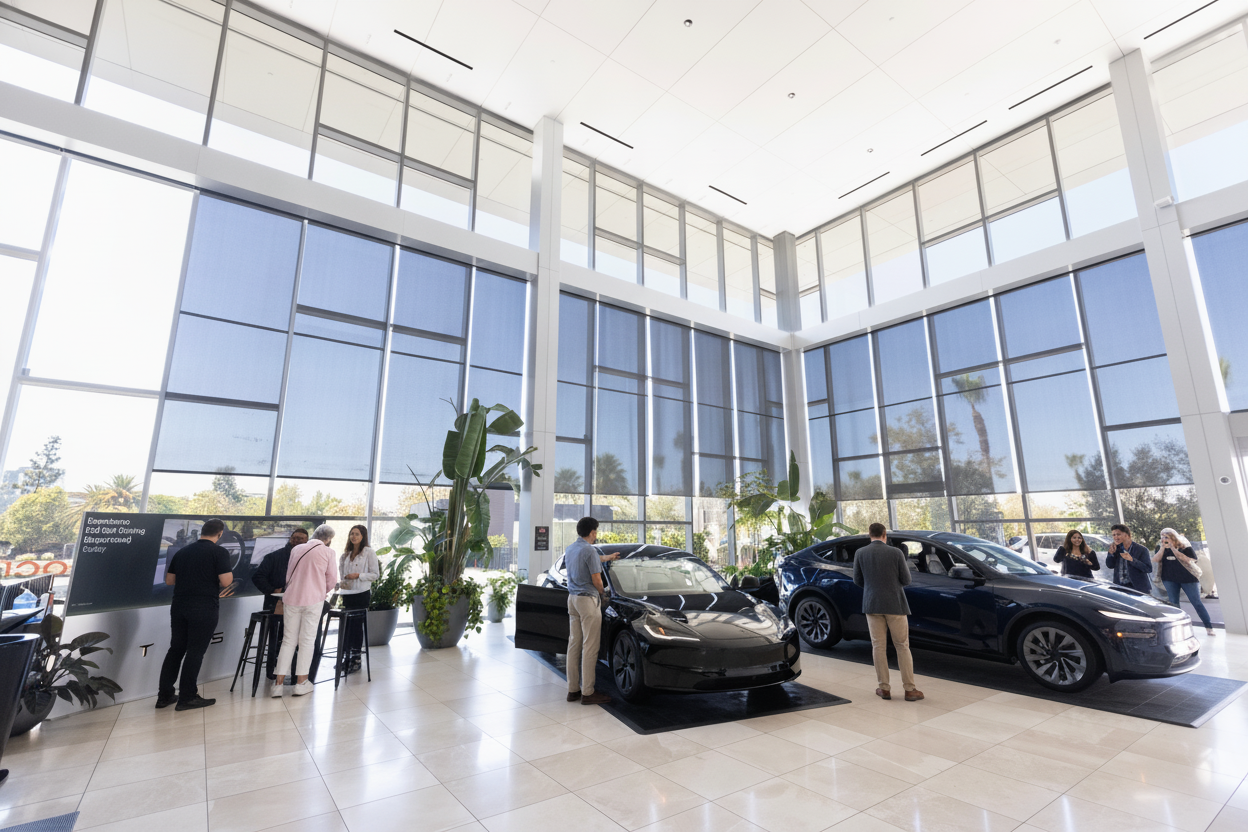
Consumers are exposed to thousands of messages every day, but very few create a memorable physical interaction. Premium shopping destinations place vehicles directly in front of millions of high-intent consumers who are already in a discovery mindset. Unlike dealerships, which require a dedicated trip, malls create opportunities for unexpected brand encounters.
This is particularly important with Gen Z.
While Gen Z begins much of its purchase journey online, the generation is actively seeking real-world experiences that help validate decisions. At Westfield, 67% of Gen Z consumers visit malls monthly, and 44% say malls are their most likely place to discover brands they ultimately love.
For automotive marketers, the opportunity is clear: use the mall as the top of the funnel. Create visibility, build awareness, and introduce consumers to products they may not have otherwise considered.
Playbook Takeaway: Treat the mall as a discovery channel, not simply a retail channel.
Step 2: Move Beyond Vehicle Displays
Too often, automotive activations stop at placing a vehicle in an atrium. The most effective programs do far more.
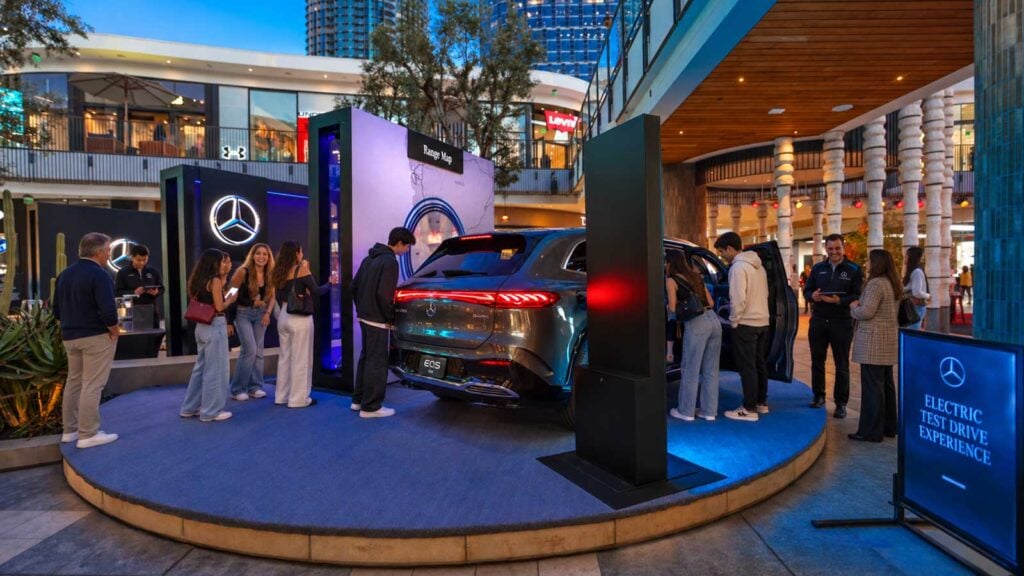
Consumers want to sit inside vehicles. Explore technology. Talk with experts. Compare models. Experience performance features. Capture photos. Share content. Ask questions without the pressure often associated with a dealership visit.
The brands generating the strongest results are transforming displays into immersive experiences.
Across Westfield destinations, brands such as BMW, Lucid, Volvo, and Infiniti have leveraged experiential programs that combine product education, brand ambassadors, ride-and-drive opportunities, and interactive storytelling.
The result is a richer engagement that allows consumers to imagine ownership long before they enter a dealership.
Playbook Takeaway: Don’t bring a car to the mall. Bring the brand experience.
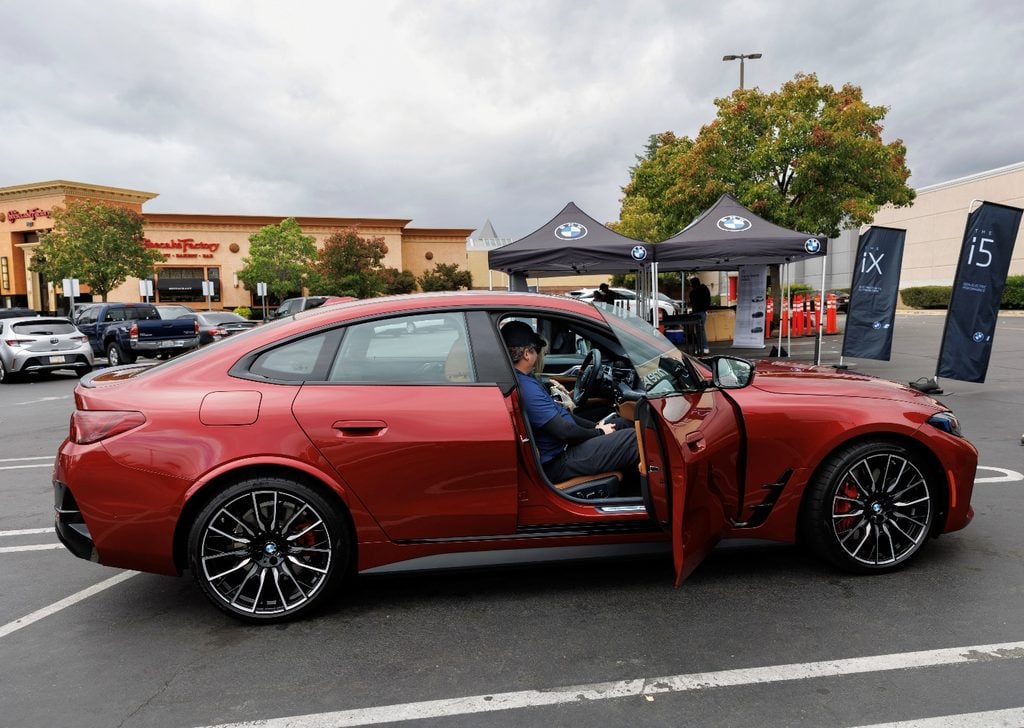
Step 3: Use Malls as the New Auto Show
Traditional auto shows once served as the industry’s premier discovery platform. Today, many brands are reallocating investments toward environments that provide year-round traffic, stronger audience targeting, and measurable engagement.
Leading malls offer many of the same advantages as an auto show while delivering greater frequency, relevance, and scale. Consumers can engage with vehicles where they already spend time shopping, dining, socializing, and being entertained. The interaction feels natural rather than destination-dependent.
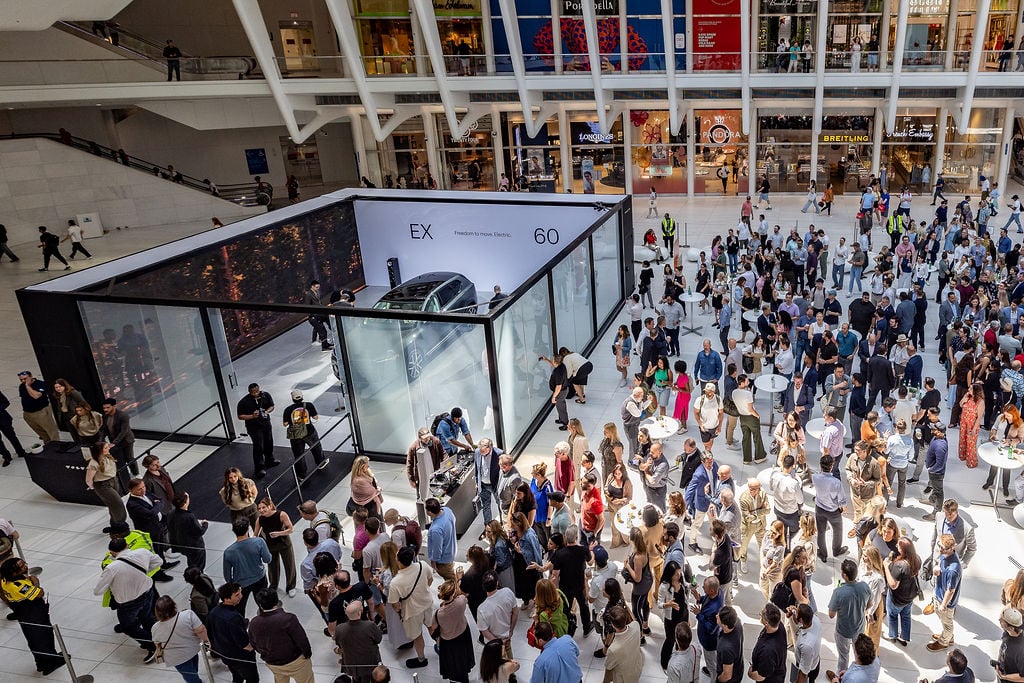
At iconic properties like Westfield World Trade Center, brands have transformed premium spaces into launch platforms for new models, generating awareness, content, social engagement, and consumer interaction simultaneously.
Playbook Takeaway: Think of flagship malls as always-on auto shows connected to everyday consumer behavior.
Step 4: Connect Media, Experience, and Commerce
The strongest automotive campaigns do not treat media and experience as separate investments. They connect them.
A consumer might first encounter a vehicle through a large-format digital display, engage with an immersive activation, explore vehicle features onsite, scan a QR code for additional information, and later schedule a test drive.
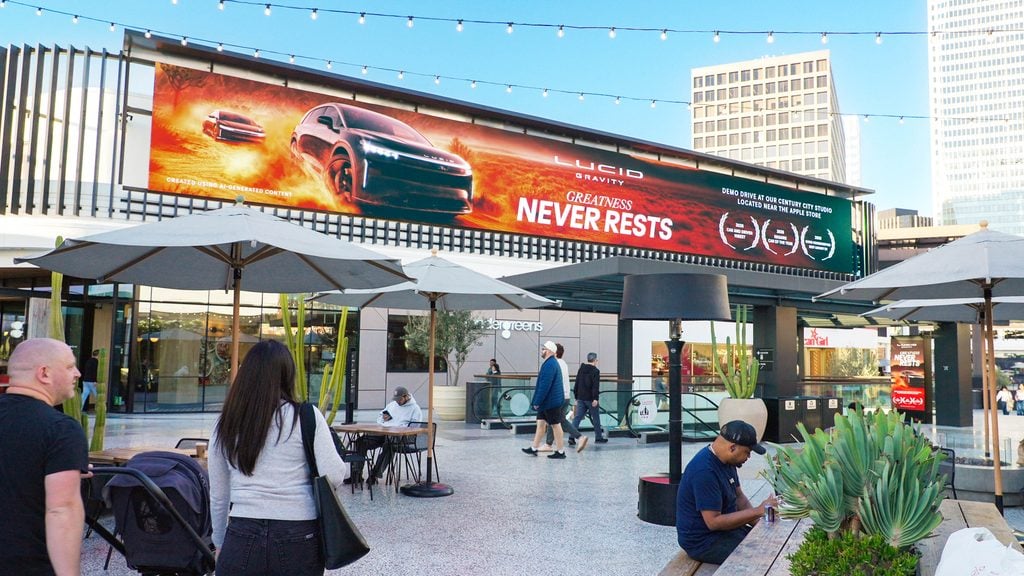
This is where the mall becomes more than a venue. It becomes a full-funnel platform.
Westfield Rise combines immersive media networks, experiential activations, premium retail environments, and measurable audience engagement into a single ecosystem. Brands can build awareness, drive consideration, and create interaction within a connected consumer journey.
Playbook Takeaway: Plan campaigns that combine reach, engagement, data capture, and conversion rather than treating each as a separate objective.
Step 5: Win with Gen Z
Many automotive brands continue to focus their marketing strategies on where Gen Z spends time digitally. The bigger opportunity is understanding where Gen Z wants to engage physically.
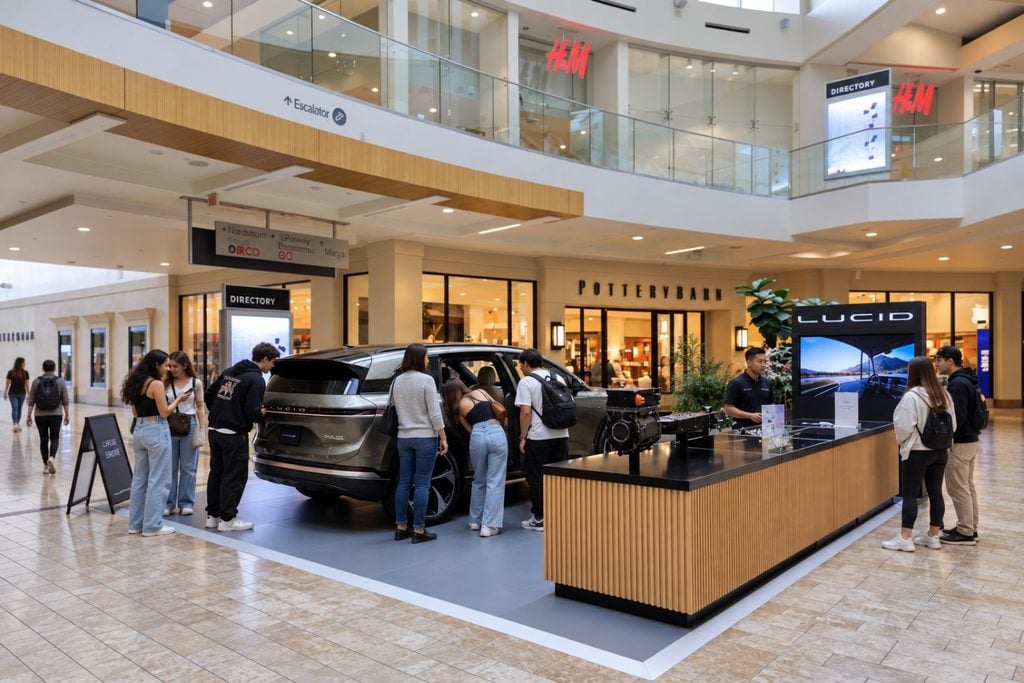
Today’s malls have evolved into cultural hubs that blend retail, entertainment, food, media, wellness, and social connection. They are places where consumers spend meaningful time and where brands can create experiences that generate both real-world engagement and digital amplification.
For Gen Z, authenticity matters. Participation matters. Experiences matter.
Whether through vehicle launches, creator-led events, gaming integrations, immersive media, pop-ups, ride-and-drives, or product demonstrations, malls provide brands with a canvas to create the kinds of experiences this generation increasingly expects.
Playbook Takeaway: Build experiences people want to share, not campaigns people simply see.
The Future of Automotive Marketing Is Physical and Digital
More than 90% of vehicle buyers begin their journey online. Yet the vast majority still want to physically experience a vehicle before making a purchase. The opportunity is not digital versus physical. It is creating a seamless path between discovery, engagement, consideration, and conversion.
That is why the role of the mall is expanding. No longer simply a place to shop, leading retail destinations have become media platforms, experiential platforms, commerce platforms, and community platforms all at once.
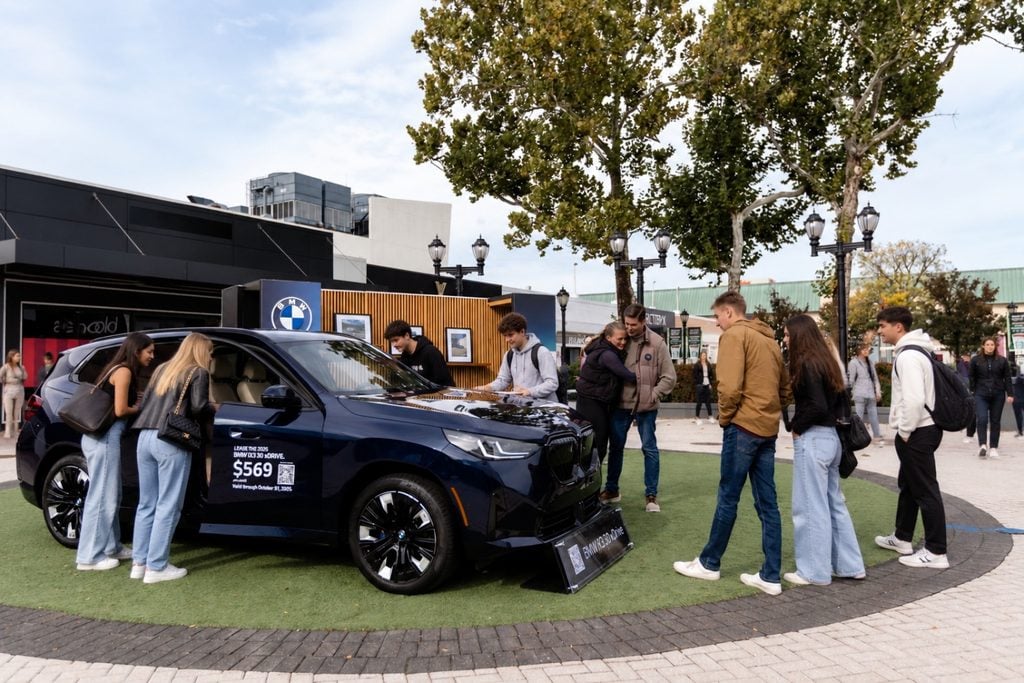
For automotive brands, they offer something increasingly difficult to achieve elsewhere: the ability to combine scale, storytelling, physical interaction, and measurable outcomes in a single environment.
The brands that win the next generation of car buyers will not just show up where consumers are shopping. They will show up where consumers are discovering, experiencing, and building emotional connections long before the dealership visit begins.
You May Also Like
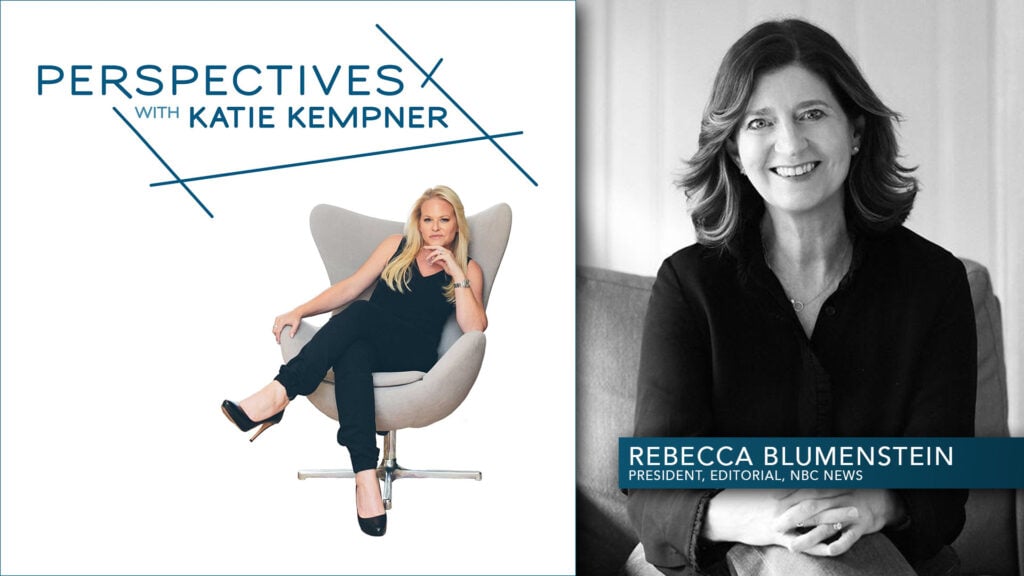
Rebecca Blumenstein, President, Editorial, NBC News
Join Katie as she talks with Rebecca Blumenstein, President, Editorial, NBC News, about her extraordinary career in journalism.

Cutting Through The Noise of Fashion Week
Fashion Week is no longer what happens on the runway, brands inside and outside the agenda are finding ways to get involved.

Retailers Don’t Need More Traffic – They Need to Offer Consumers Relevant Experiences
Retailers have no control over market conditions or trimmed budgets, but they can control how well they respond to the people already visiting their websites and stores.