




The In-House Advantage: How Chime Bypassed Traditional TV Buys to Scale Smarter
By Helen Myers, Advertising Week Correspondent
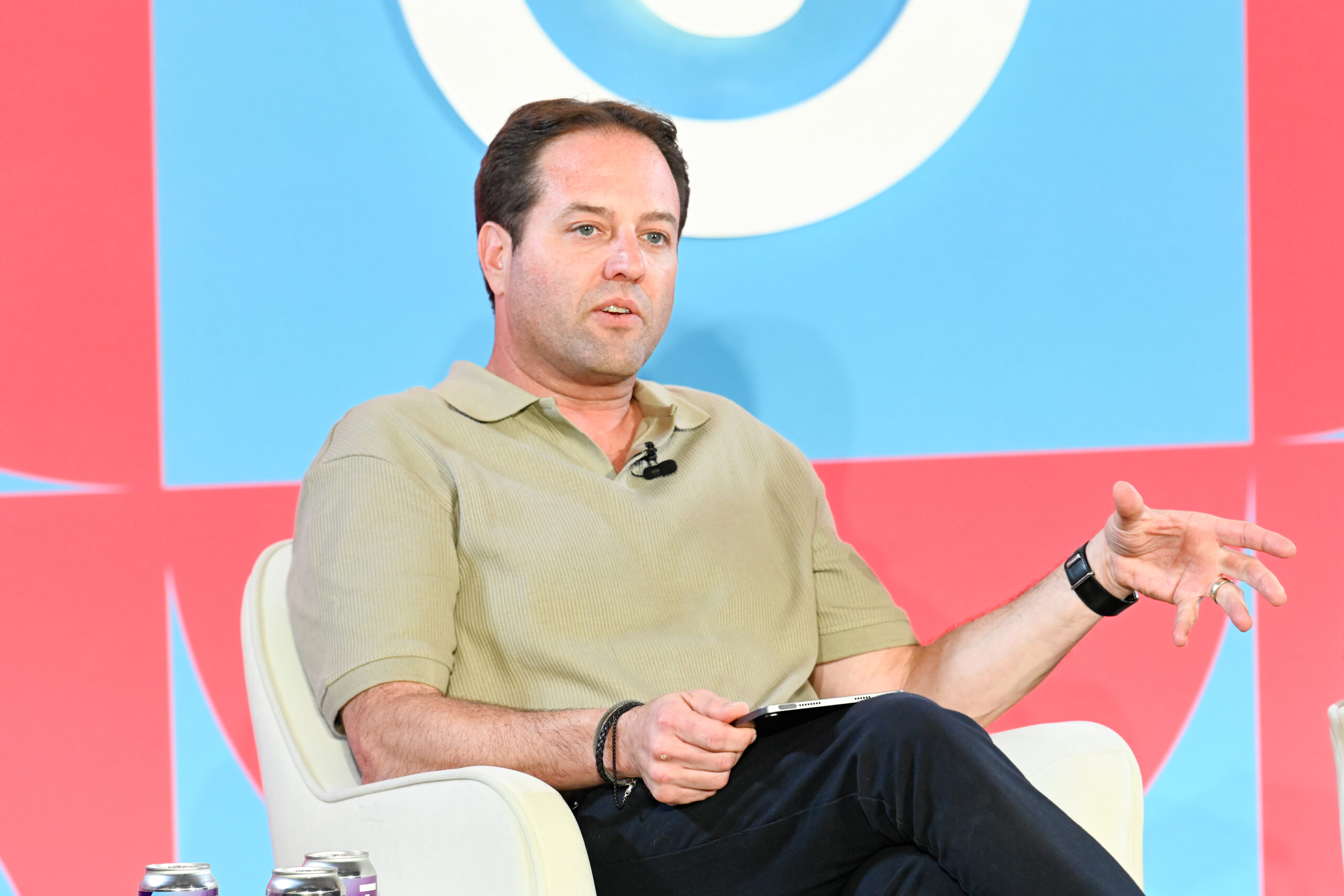
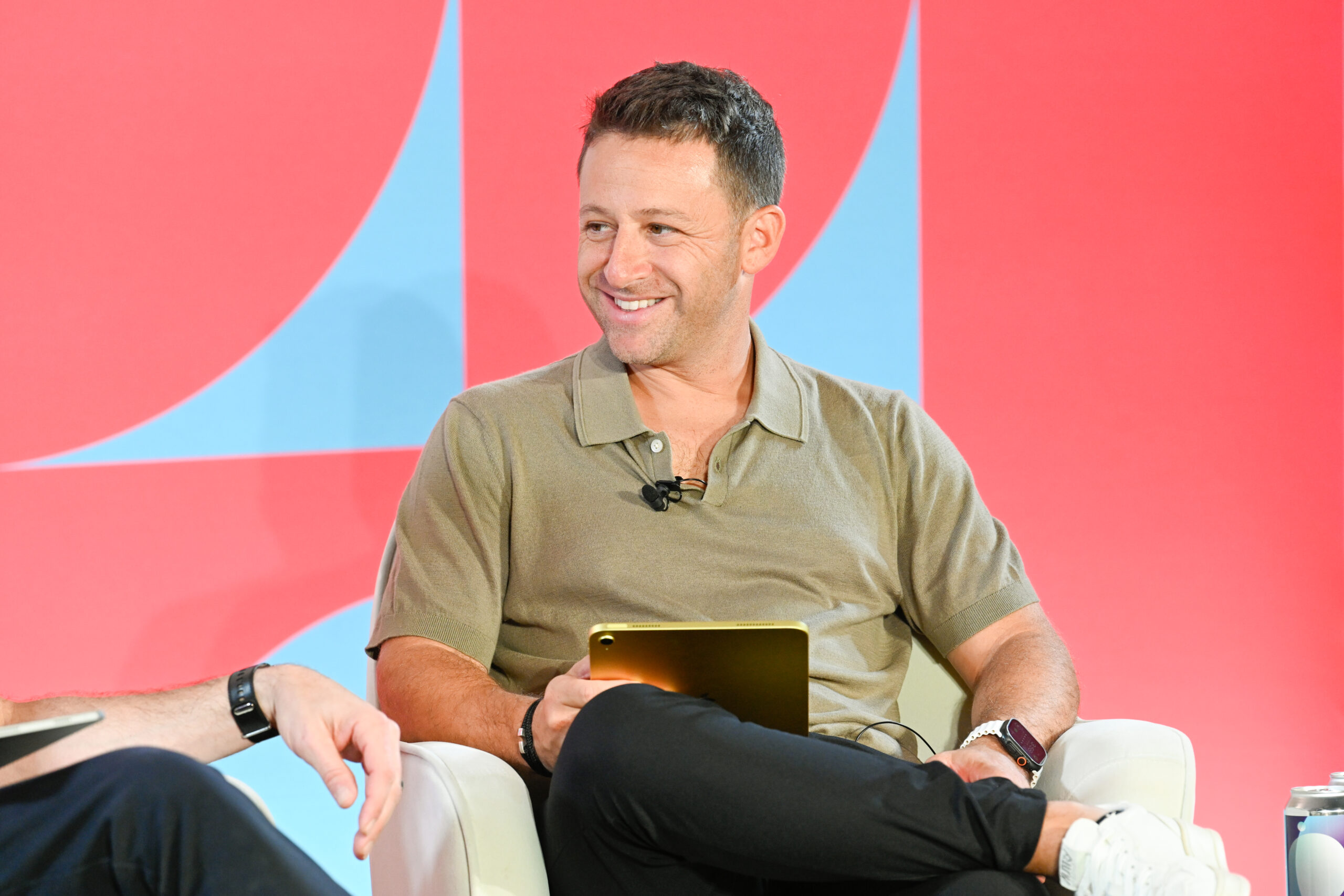
Andy Schonfeld, CRO at Tatari led a fireside chat with Nick Fairbairn, VP of growth marketing at Chime.
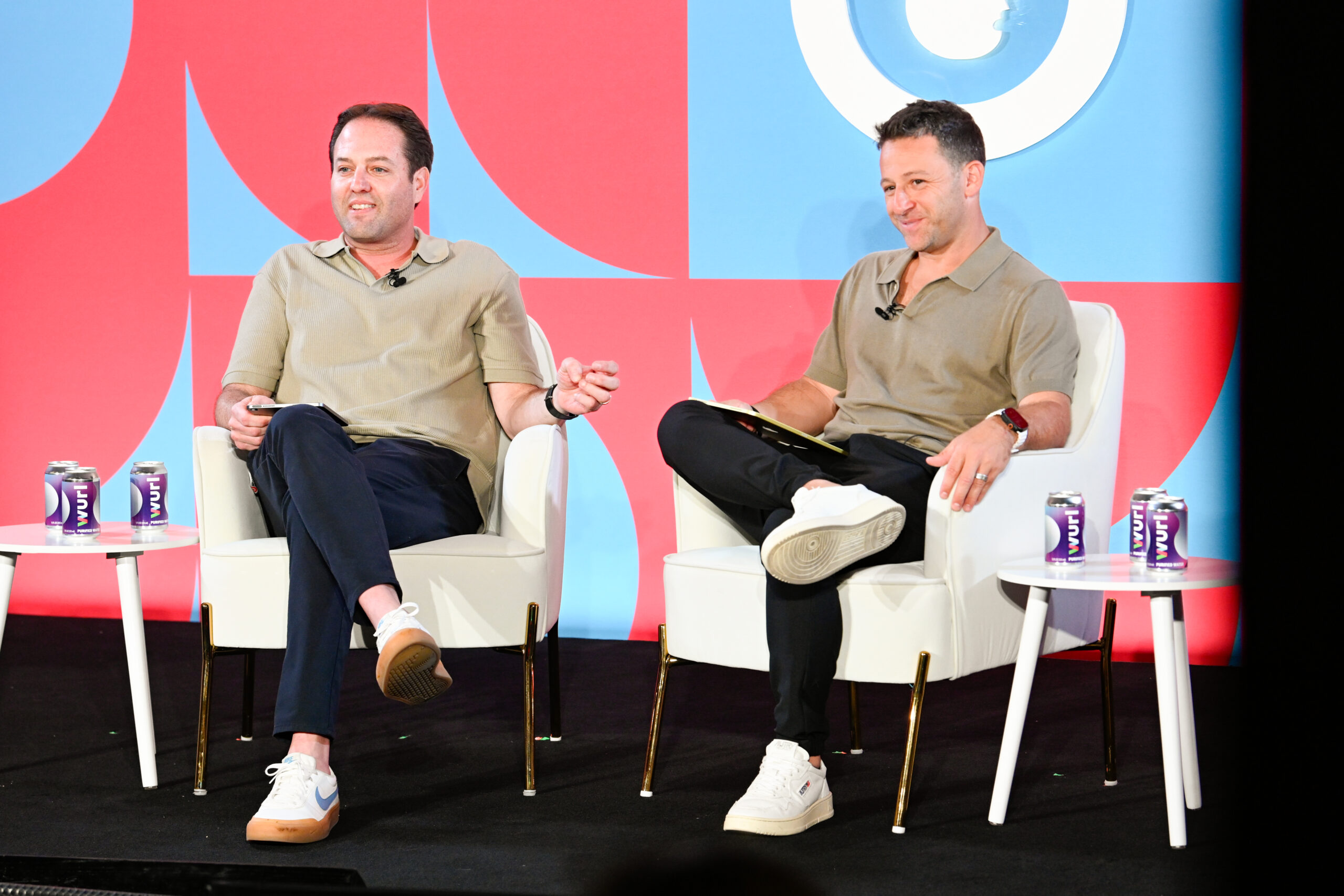
Fairburn began by introducing the background on Chime, and how it rose from a scrappy fintech startup into a multibillion-dollar powerhouse. “We started as a fee-free banking platform, and our mission was to become the number one most loved banking app for people who make up to $100,000. We started because the financial system was not built for them,” he explained.
Chime was either early or first to incorporate different digital banking features. They gave people access to their paycheck two days in advance, brought in fee-free overdraft, and introduced a secure credit card that users could build credit without a security deposit. As for a main factor in their rise, the pandemic greatly assisted in their growth as they implemented a feature where people could get their stimulus checks early.
However, after the pandemic subsided, their growth started slowing. To combat this decline, they increased spending on TV advertisements.
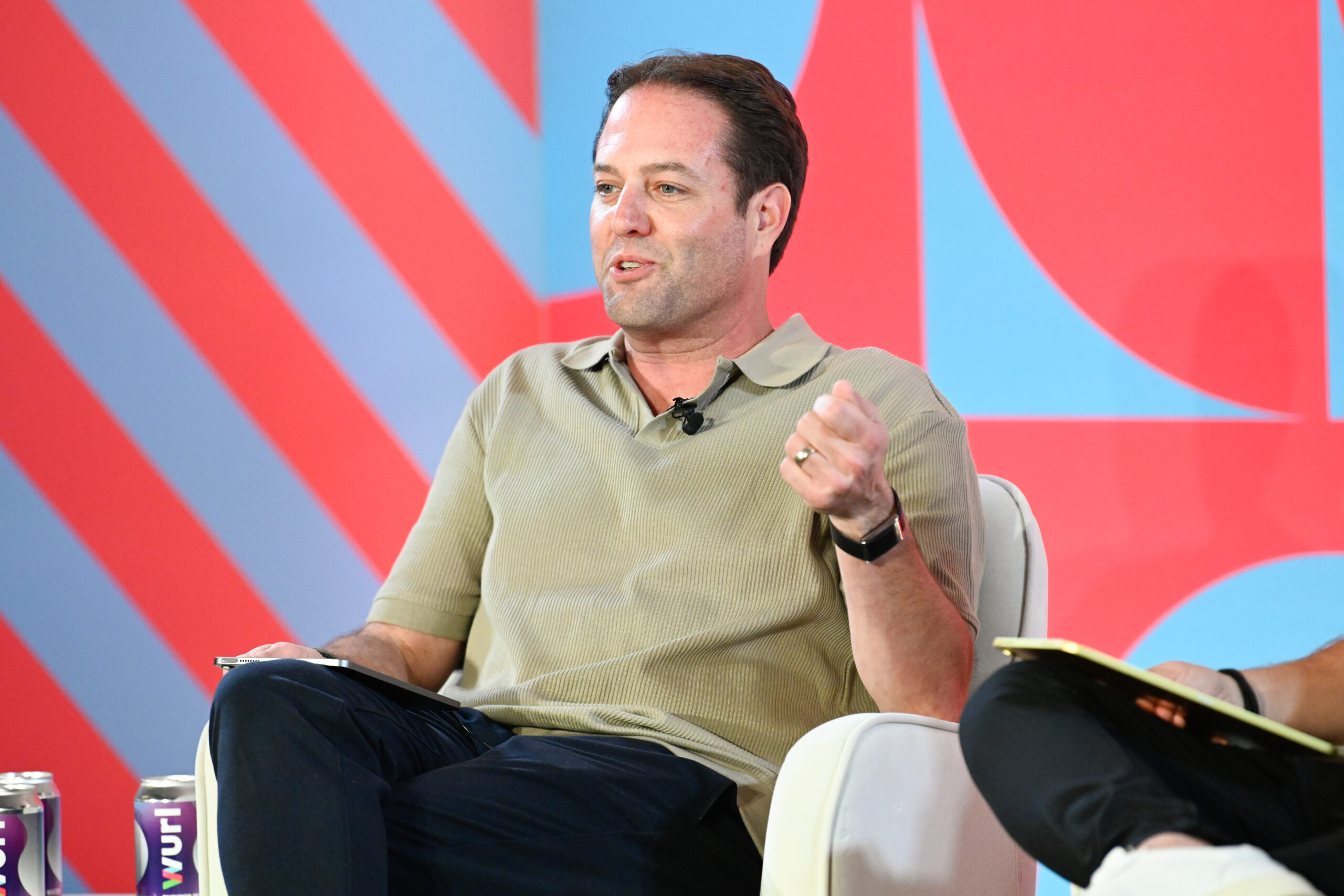
“The way we were able to do it with TV is we treated it like it was a measurable channel first, and then moved our way up the funnel, right? So we could see the spike right in our Tatari dashboard when we would air an ad. We could see it in our Google Analytics. We could tag all the way through an enrollment, so we could quantify what that medium was doing,” Fairburn said.
Schonfeld then switched the conversation to talk about Chime’s decision to work with Tatari rather than traditional agencies. Fairburn said that when his startup was still small, traditional and legacy agencies were out of the question as the barriers were too high. “It never even crossed our mind to go to a traditional agency versus working with someone that’s kind of tech-first. I’m proud to say that I’ve watched Tatari grow with us,” he said.
As for creative strategy, Chime has built a brand through authenticity and its powerful creatives. “We’re trying to build our brand and drive performance at the same time, and there’s no reason why you can’t do them both at once. We’re really intentional. When you make a piece of creative, it has a role to play in the funnel,” he said.
The discussion ended with Fairburn offering advice to CMOs who might be stuck using old models. “Pay attention to streaming differently is something everyone’s got to do. The CPMs are higher. You can’t run fifteens, but the industry is moving there. I think the rates might follow as the audience follows,” he said. To conclude, he reiterated that creatives and intentionality matter as they all must fit within the portfolio of the brand.
Also available as an audio podcast through our Uncommon Thinking podcast series. Subscribe now on your favorite podcast platform:



You May Also Like
Design Is Britain’s Unsung Hero. It’s Time We Said So.
The UK design economy is worth £136.7bn and growing almost twice as fast as the wider economy. So why are we still so bad at recognising its value?

Count Me In – The Case for Total TV
We know that television still fills the room. Ask almost any advertiser and they will tell you the audience is larger than ever, gathered around bigger, brighter TVs.

Research Designed for the Decisions Advertisers Make
Advertisers have more choices than ever when deciding where to invest their media budgets.