




Why the Best Travel Brands Win Customers Long Before Take Off
By Sophie Whike, Growth Partner, Brandwidth
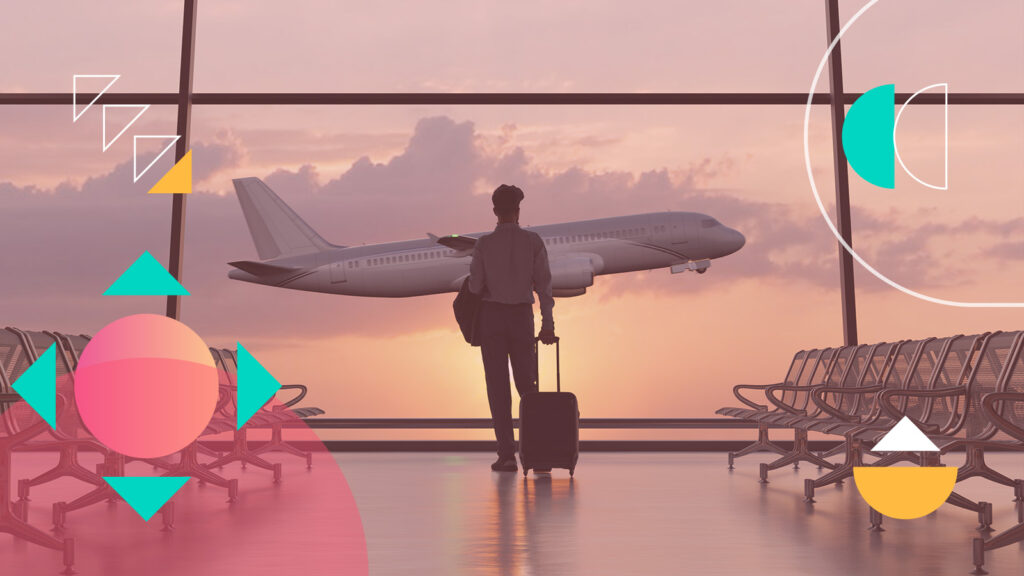
Travel experiences no longer begin at the airport. They start the moment someone opens an app or searches for inspiration for their next trip.
Yet many travel brands still treat this early digital moment as purely transactional. In reality, it’s the first emotional checkpoint in the journey. Get it right and you build confidence, anticipation and trust long before departure. Get it wrong and customers may never come back.
Expectations shaped by everyday digital experiences such as ordering food, booking transport or managing finances now apply directly to travel. Customers don’t compartmentalise. They compare your booking journey to the best digital experience they’ve had anywhere.
Mobile-first planning has amplified this shift. Booking flights or accommodation online is standard behaviour, but what travellers expect from those journeys has changed. They want experiences that feel intuitive, consistent and personal from the first tap. When that doesn’t happen, frustration sets in quickly and loyalty disappears just as fast.
Some travel brands have made real progress here. Easyjet’s mobile experience, for example, makes searching, selecting and managing bookings relatively straightforward. Others still fall behind, forcing users off mobile or into clunky journeys that undermine confidence at exactly the wrong moment.
With airlines increasingly moving towards fully digital boarding passes, reliability is no longer optional. If customers struggle to retrieve tickets, check details or feel in control of their plans, stress creeps in immediately. When journeys work smoothly, the opposite happens. Customers feel reassured and supported before they’ve even left home.
Brands like Airbnb, Uber and Trainline have reset expectations across the sector. Once customers experience seamless, predictable digital journeys, they expect that standard everywhere.
Where many travel brands still miss a significant opportunity is in what happens after booking and before departure. This anticipation window is one of the most underused phases in travel. Customers are engaged, open to guidance and actively thinking about their trip, yet communications during this period are often generic or inconsistent.
This is where personalisation and storytelling matter most. A family booking a cruise should receive entirely different content and prompts to a solo traveller or a couple. Excursions, packing tips, dining options and onboard activities should all reinforce that the brand understands who is travelling and why.
Airbnb continues to outperform not just because its booking experience is clear, but because its communications remain consistent and reassuring throughout. Cruise operators such as Virgin Voyages and P&O demonstrate something similar, using digital platforms to help travellers explore ships, plan activities and reduce uncertainty well before departure.
Uber Boats by Thames Clipper offers another useful example. By rebuilding its app around live tracking, journey planning and accessible ticketing, the brand focused on what users need from the very start of the experience. The result was greater clarity, reassurance and far less friction.
From the moment someone decides where they want to go, they expect the journey, both digital and physical, to feel smooth, personal and well considered. Travel brands that invest early, combining practical function with emotional reassurance, don’t just win bookings. They build confidence and anticipation that lasts long after the bags are unpacked.
You May Also Like

Audience-First, Border-Free: pDOOH’s Next Chapter in the US
The programmatic digital out of home (pDOOH) market in the United States has moved past the adoption stage.
The Localization Trap: Why Global Brands Fail When They Treat America as One Market
The bigger mistake is assuming that America is a single, culturally uniform market. It is not.
Brands That Move People: What It Actually Takes
Lana Busignani, Chief Executive Officer at MarketCast, led the conversation with Jim Mollica, President, Luxury Consumer Audio & Chief Marketing Officer at Bose. Jim described an approach that puts emotion first while using business results to earn the support needed to build the brand.