Your Campaign Hit Its KPIs. So What?

By Mack McKelvey, Founder and CEO, SalientMG
Your campaign reached the right audience. Engagement is up. The numbers look good.
But did it actually drive business?
It’s a question marketers have wrestled with for years. And despite all the data at our disposal, the answer isn’t always clear.
At SalientMG’s Breakthrough Summit during Advertising Week New York, Tom Acquaviva, CRO at ABCS Insights, joined Michelle Snodgrass, Chief Strategy Officer at iProspect, and James Scruby, VP, Agency Development at Verve, to discuss how marketers can get a clearer picture of what’s working, make better decisions while campaigns are running, and connect media performance to actual sales.
AI Is Changing What We Know About Purchase Intent
Think about how someone shops for a car. A search for “midsize SUV” or “best SUV for snow” tells a marketer something. But an AI prompt that mentions four kids, weekend trips to the mountains, a preference for electric vehicles, a hard no on Tesla, and a $60,000 budget tells them a whole lot more.
“Audience is who someone is. Intent is what they’re looking for in that moment,” Scruby explained. As consumers share more specific needs with AI tools, those conversations could offer marketers a better understanding of purchase intent than traditional search terms alone.
Those insights can be used to reach consumers with more relevant messages and make smarter campaign decisions, but knowing what someone wants doesn’t tell you whether your advertising convinced them to buy it.
Good Signals. But What About Sales?
Scruby shared an example from a Dentsu campaign for a major cookie brand. The campaign generated roughly 77,000 add-to-cart signals against a goal of 32,000.
Impressive, but did those shopping carts turn into purchases?
Independent measurement from ABCS Insights confirmed household sales lift and strong ROI.
It’s a good example of how marketers can use intent signals to optimize campaigns while they’re running, then validate whether those efforts actually drove sales.
Acquaviva argued that measurement should be a steering wheel, not just a report card. Why wait until a campaign is over to find out what worked when you could use that information to improve performance along the way?
But as Snodgrass pointed out, that requires some planning. Brands, agencies, and media partners need to agree on the business objective and how they’ll measure success before the campaign starts. Otherwise, everyone can hit their own KPIs without necessarily moving the business forward.
Are We Measuring the Right Things?
“Stop confusing what can be measured with what is meaningful,” Snodgrass said.
It’s a fair challenge for an industry with no shortage of dashboards, metrics, and performance reports. And it’s particularly relevant as AI gives marketers more information about consumer behavior and more opportunities to adjust campaigns in real time.
The goal isn’t to collect every possible signal or optimize toward whichever metric is easiest to move. It’s to understand which signals actually predict business results, use them to make better decisions, and measure whether those decisions worked.
After all, a campaign can look great on paper and still leave the CFO wondering where the money went.
You May Also Like
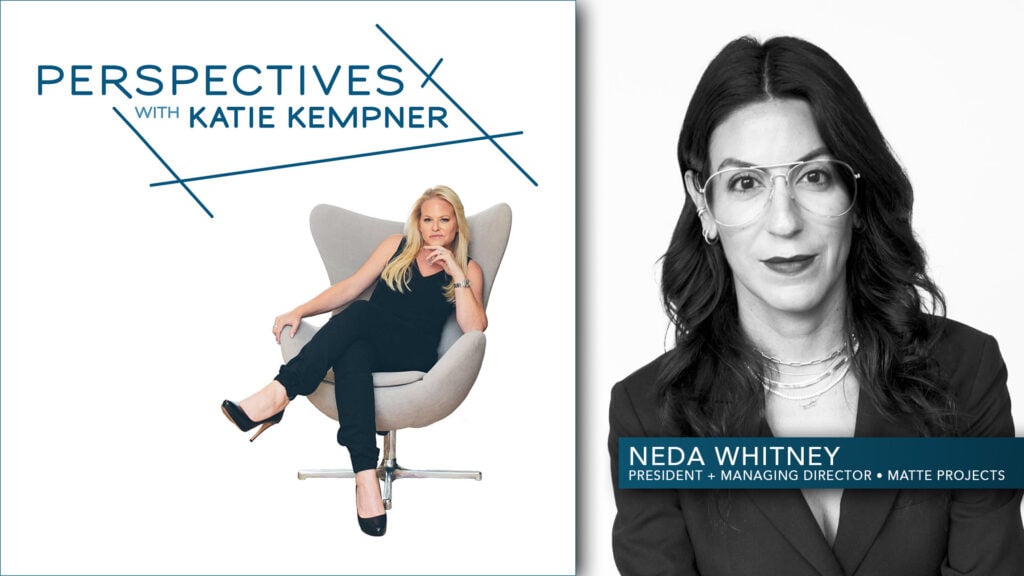
Neda Whitney, President and Managing Director, MATTE Projects
Join Katie Kempner as she sits down with Neda Whitney, President and Managing Director of MATTE Projects, for an inspiring conversation about forging your own path.

Your Audience Wants to Build Your Next Product. Let Them.
Every day, millions of people on social media are telling brands what they want to buy next. They do it in the comments, in their saves and in their stitches. They ask where to buy something, swap one ingredient for another and tag a friend who needs to try it. They aren’t just watching. They’re pitching.
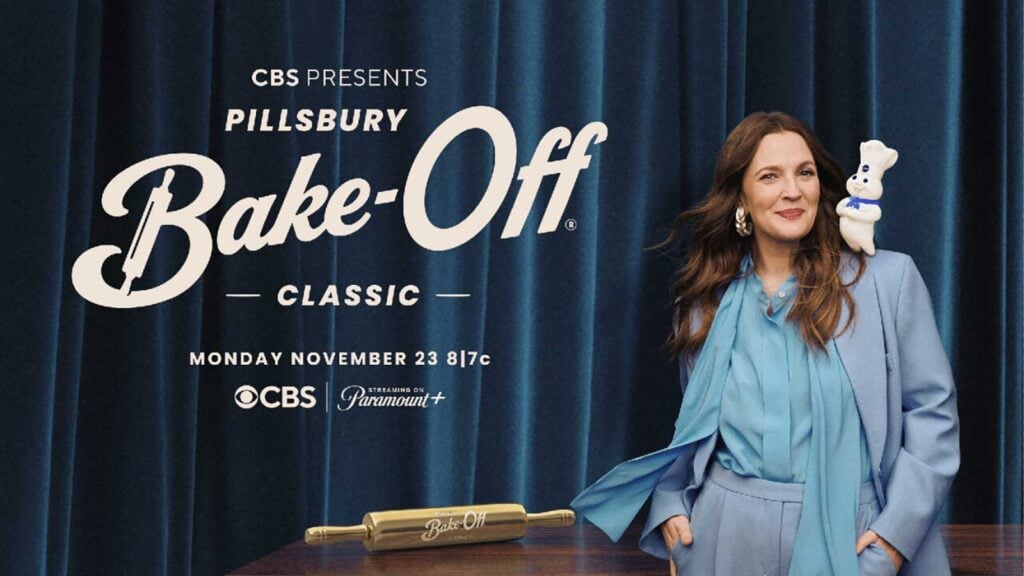
A Sneak Peek at the Pillsbury Bake-Off Classic, Starring Host Drew Barrymore and the Iconic Doughboy
The Pillsbury Bake-Off is making its grand return to television just in time for Thanksgiving.