




AI Gets Real: Dentsu & Canvas Worldwide’s Outcomes Playbook
By Helen Myers, Advertising Week Correspondent
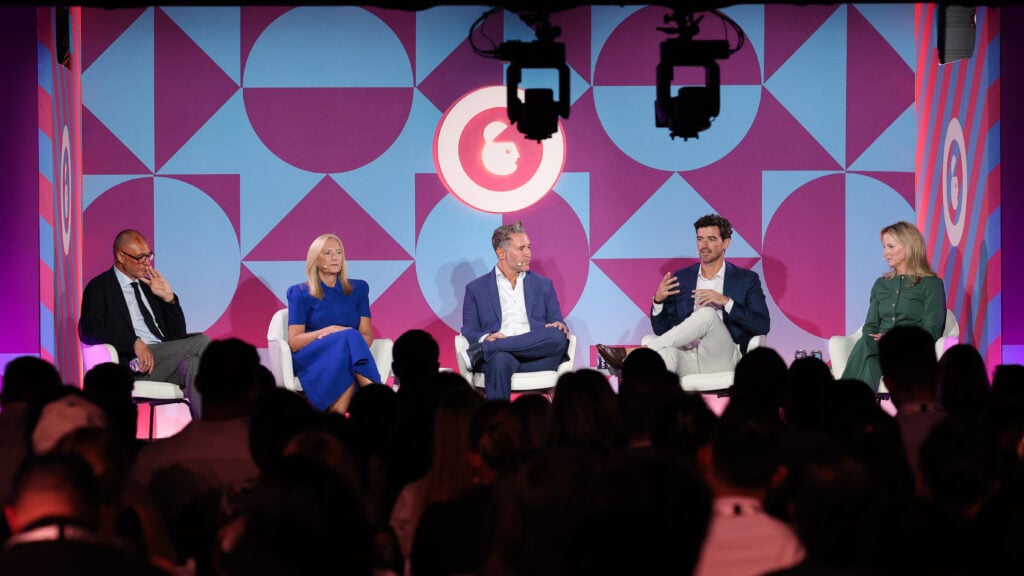
In a panel presented by Chalice AI, brand leaders discuss the practical applications of custom AI in advertising.
Ali Manning, COO and co-founder of Chalice AI, kicked off the panel by asking how custom AI has optimized performance for marketers.
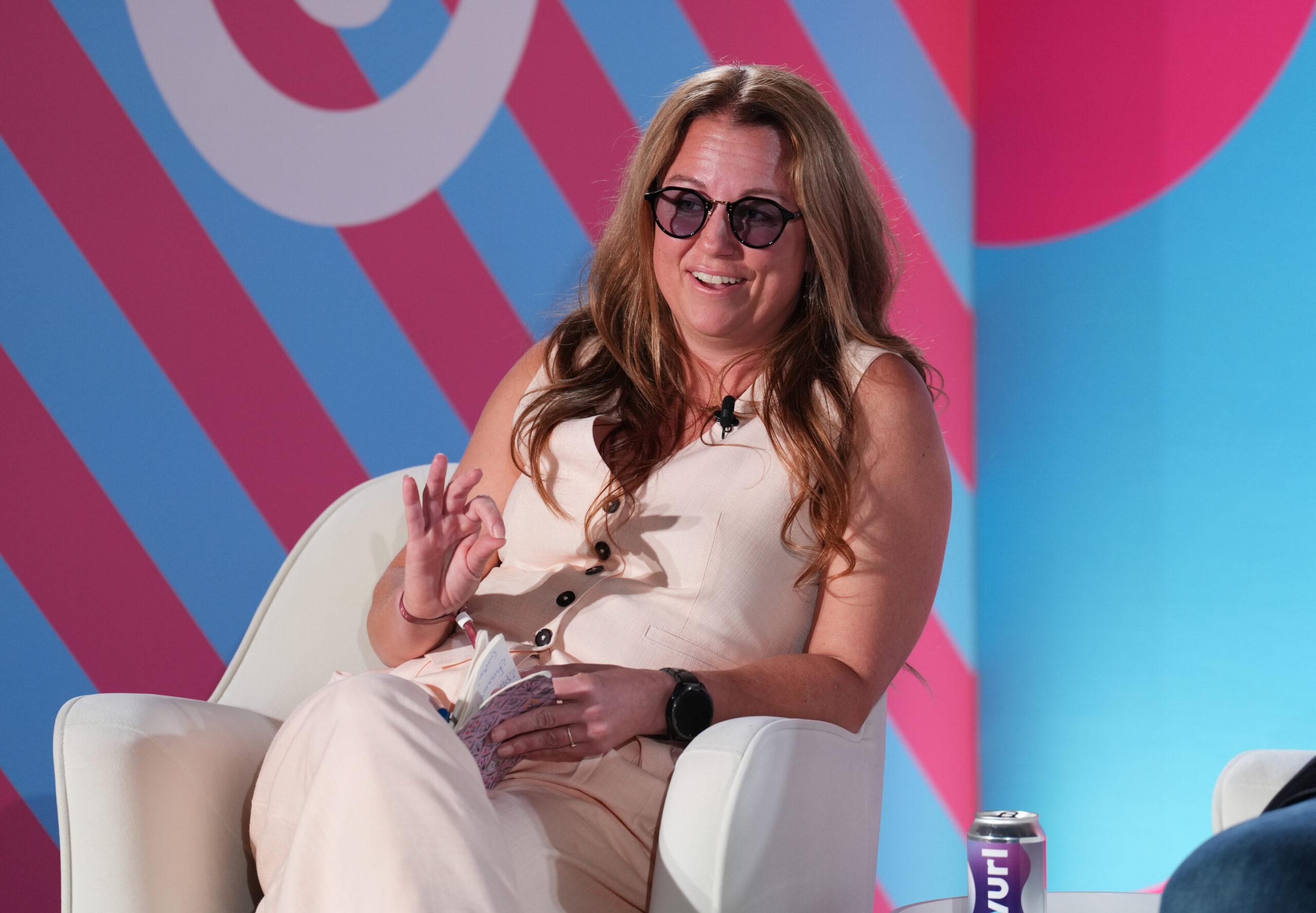
Greg Johns, EVP, Chief Product Officer at Canvas Worldwide, began by explaining that custom AI lets companies have both quality and performance at the same time. “It allowed us to do both, and do it in an automated way. At the same time, get that full funnel dream of enhancing the quality of the media that we’re next to. We’re enhancing the value of the brand,” he said.
Next, Manning asked Johns how he decides how and when to partner when it comes to AI capabilities. “I believe very strongly in the partnership model. There are some things agencies have very strong core competencies in, but we shouldn’t try to do everything. And to be quite honest, I want companies with a laser focus that build good products, but are also willing to work in the environment that multi-client types of engagements are going to require,” he said
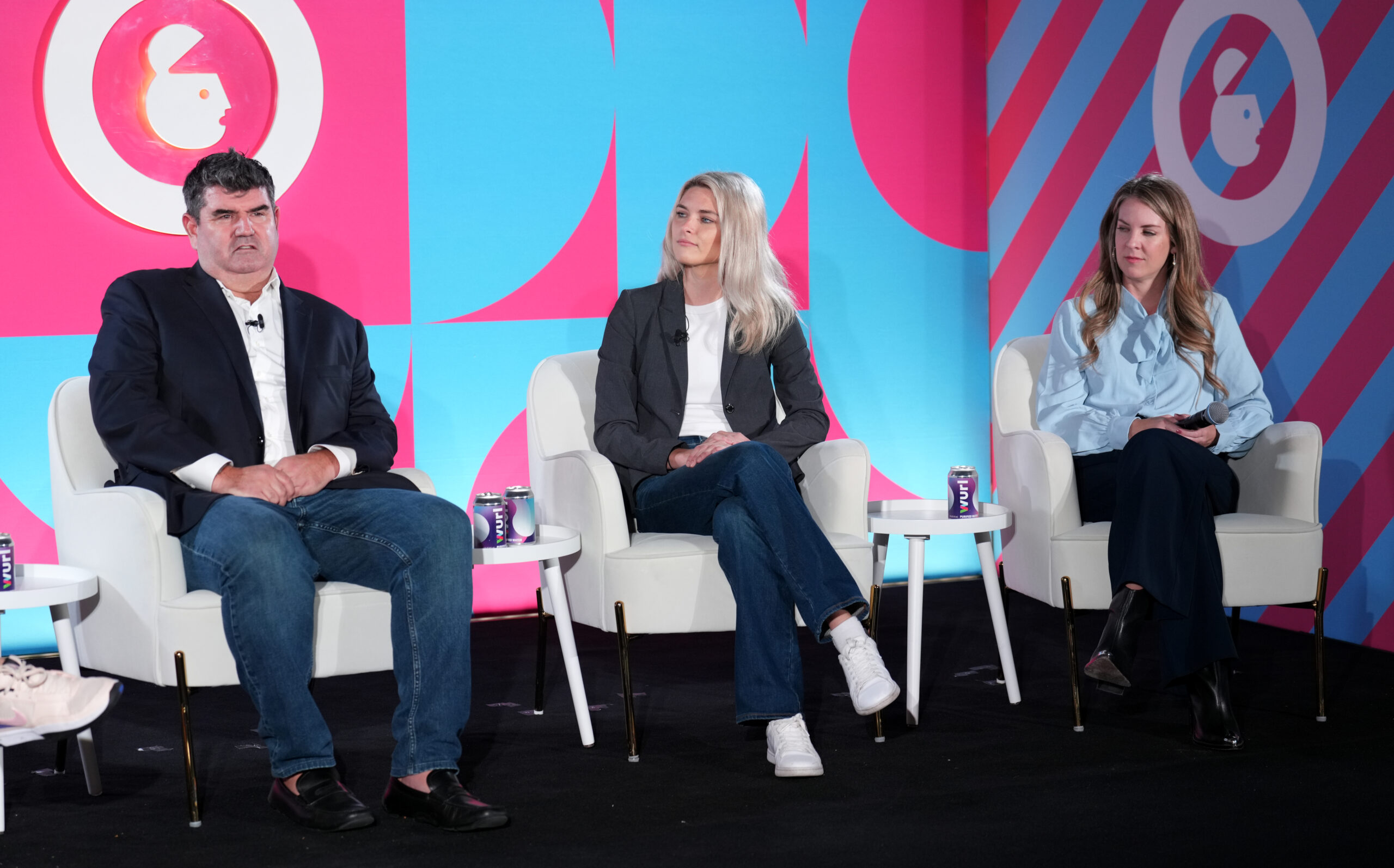
Manning then stated that the thesis of Chalice AI is to build custom AI models for clients in a way that is a true software that’s repeatable and configurable. She then asked Tylynn Pettrey, SVP, AI and Analytics at Chalice AI, how partners like Canvas and Dentsu help shape Chalice’s product vision.
I think it’s a constant feedback loop. Presenting that idea, going back and forth, and being fully transparent with what the tech can do. Thinking about where the data can live and all of the other elements that we tied together is very helpful,” Pettrey said.
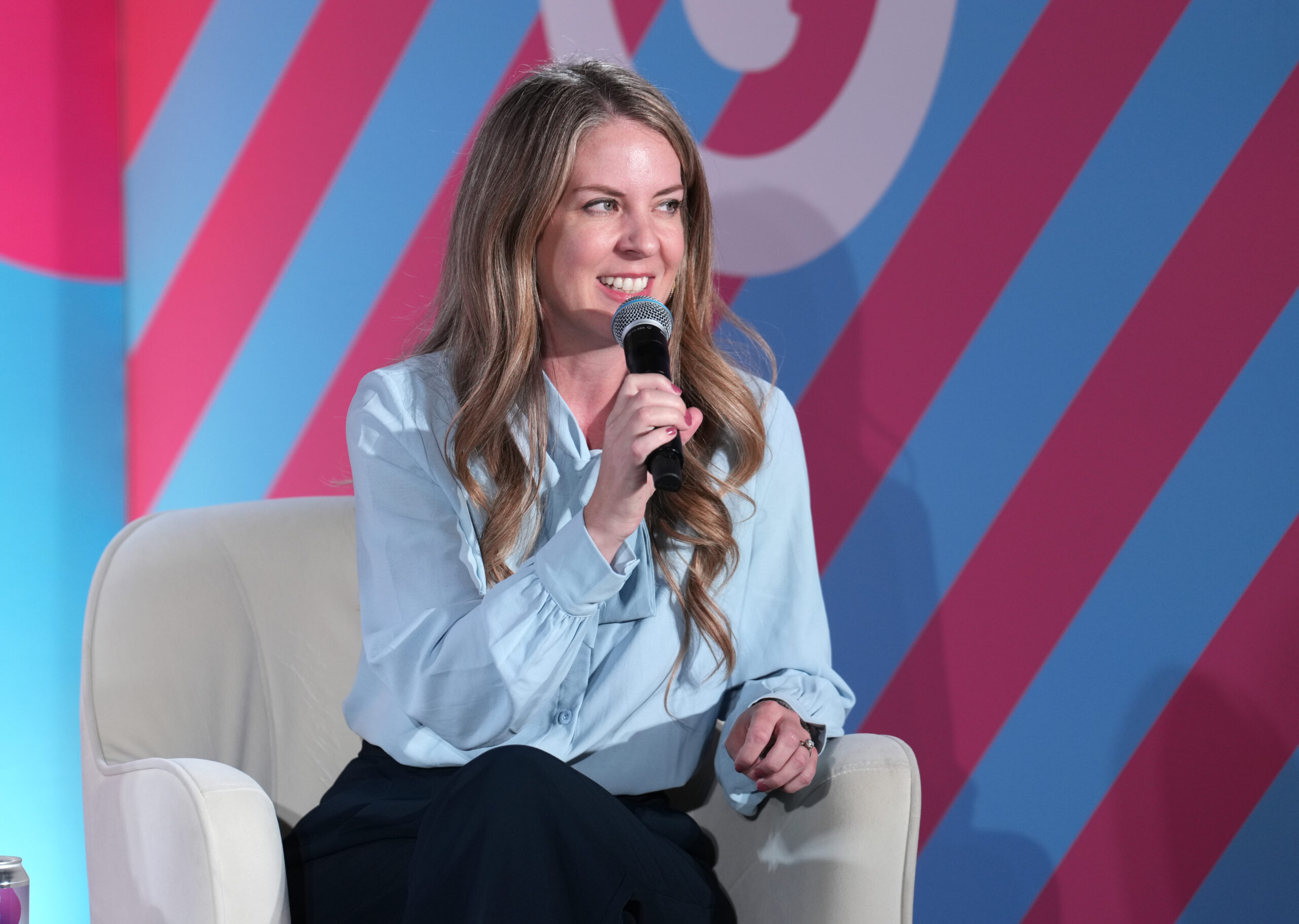
As for the future of AI, Manning asked the group what they are most excited about with AI in terms of what it’s newly able to do to drive client results. Stephanie Landrum, EVP and Head of Digital & Programmatic at Dentsu said that the productivity from AI helps unlock creativity. “When that happens, then those people, those humans, their job just changes. And it actually becomes this scenario where they are bringing more to the table from a more strategic standpoint. And I just think we’ll just continue to see that evolve,” she said
Finally, Chalice unveiled its new AI curation platform, which allows agencies to create and activate custom AI models, optimizing for outcomes like relevance and cost per quality.
Pettrey has been working on this new platform for almost five years and spoke about what makes it different. “It’s the level of transparency. We have relevancy scores, quality details, and full content summarizations down to the page level. You can actually scroll through all of the AI decisioning, understand how it’s making those decisions, and feel confident that you can actually apply it,” she said.
Also available as an audio podcast through our Uncommon Thinking podcast series. Subscribe now on your favorite podcast platform:



You May Also Like

Amazon Ad Case Exposes the Post-Click Blind Spot
On 31 August, the US Federal Trade Commission and a bipartisan group of 22 states sued Amazon, alleging that it rigged the auctions behind its Sponsored Products ads.
Marketing Isn’t Broken. The Organizations Behind It Are. Featuring Lee Roth
What happens when Hollywood filmmaking collides with the agency world? Rick Wayne, Executive Creative Director at Brand Imagination Group, joins Agency Alchemy to explore why the traditional agency model is struggling to keep pace with modern creativity and what might replace it.

Your Best Black Friday Ad Might Be the One Your Brand Team Hates
Every year as Black Friday approaches, brands start looking more closely at the creative they plan to put into the market.