Founder Visibility Is the Next Competitive Advantage, And CMOs Hold the Key

By Hallie Harris, Founder and CEO, HLoveCo
For decades, marketers have spent billions trying to make brands feel human. Emotional storytelling. Purpose-driven campaigns. Influencer partnerships. But here’s the thing: people don’t just want brands that act human anymore, they want brands that are human.
That’s why founder visibility has gone from a nice-to-have to a business imperative. Today, the most valuable asset a company has isn’t its logo, its tagline, or even its product. It’s the person behind it. And that shift is changing what it means to lead marketing.
People Buy Stories, Not Products
I see it every day: people trust the founder’s personal brand more than the company itself. In fact, 88% of consumers say so (Edelman Trust Barometer). The old playbook, polished brand storytelling with the founder safely offstage, just doesn’t cut it anymore.
Look at Ben Francis (Gymshark), Melanie Perkins (Canva), and Sara Blakely (Spanx). They didn’t simply sell products; they built movements around their personal missions. Their stories of scrappiness, perseverance, and purpose became the emotional backbone of their brands.
When a founder shares why they built what they built, that narrative becomes a moat.
Competitors can copy a feature or undercut a price, but they can’t replicate authenticity. For CMOs, the lesson is simple: the brand story and the founder story can’t live in separate lanes anymore. They have to be woven together.
Creators Are Operators, Operators Are Creators
We’re living in a moment where the lines between “founder” and “creator” are blurred. Founders are documenting their journeys, sharing their process, connecting directly with audiences, building trust through transparency. Meanwhile, creators are becoming operators, launching real businesses and scaling them with the same creativity once reserved for content.
Emma Grede of Good American or Steven Bartlett of Flight Story are great examples. They blend credibility with accessibility, and that openness fuels organic reach. Visibility here isn’t vanity, it’s velocity.
For CMOs, this means marketing can’t be siloed. It’s no longer something that happens around the business; it’s something the business embodies, through the people who lead it.
Trust Flows to People, Not Logos
Edelman also finds that 82% of consumers trust a brand more when the founder is visible.
Visibility signals accountability. And accountability builds trust.
Remember Airbnb at the start of the pandemic. Brian Chesky didn’t hide behind corporate statements; he showed up personally, spoke with empathy, and put hosts first. That visibility didn’t just protect Airbnb’s reputation, it deepened loyalty. People forgive people. They don’t forgive logos.
CMOs who help founders build consistent, credible public presences are creating resilience no paid campaign can buy.
Attention Is the New Equity
Founder visibility isn’t just a marketing tactic anymore, it’s a form of capital. Founders like Hailey Bieber (Rhode) and Emily Weiss (Glossier) prove that personal platforms move products, attract investors, and reduce acquisition costs. Some investors are now factoring founder influence directly into valuation models.
For CMOs, that means rethinking attention as an asset. It’s not a fleeting metric; it’s intellectual property. Founder visibility can generate trust, differentiation, and enterprise value, the next frontier of brand building.
Marketing today isn’t just about campaigns or channels. It’s about shaping how the human face of the brand shows up in the world. Because in today’s economy, people don’t just buy what you make- they buy who you are.
The future of growth belongs to the leaders, and the CMOs, who understand that visibility isn’t just exposure. It’s equity.
You May Also Like

Amazon Ad Case Exposes the Post-Click Blind Spot
On 31 August, the US Federal Trade Commission and a bipartisan group of 22 states sued Amazon, alleging that it rigged the auctions behind its Sponsored Products ads.
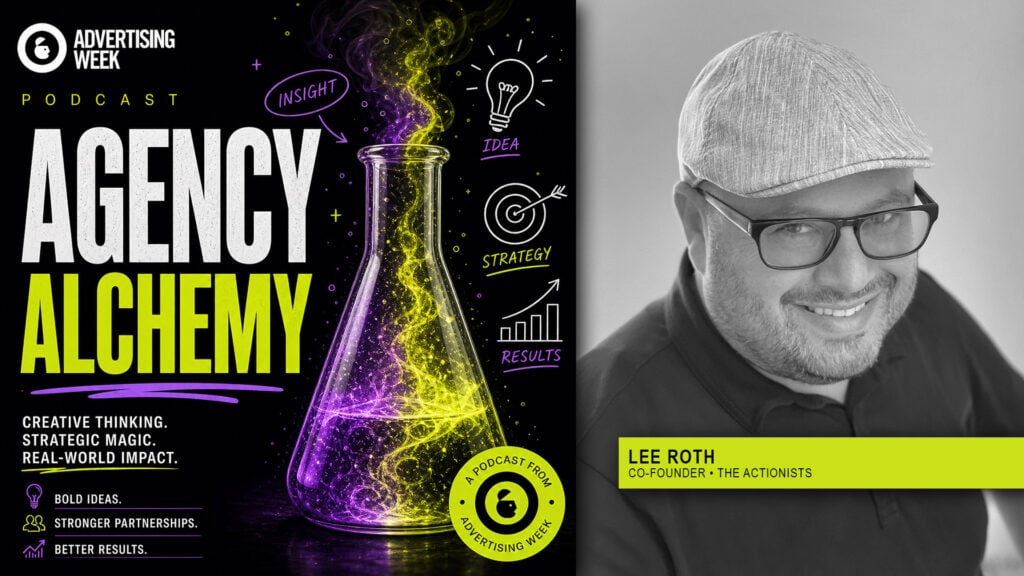
Marketing Isn’t Broken. The Organizations Behind It Are. Featuring Lee Roth
What happens when Hollywood filmmaking collides with the agency world? Rick Wayne, Executive Creative Director at Brand Imagination Group, joins Agency Alchemy to explore why the traditional agency model is struggling to keep pace with modern creativity and what might replace it.

Your Best Black Friday Ad Might Be the One Your Brand Team Hates
Every year as Black Friday approaches, brands start looking more closely at the creative they plan to put into the market.