




Growing Up Isn’t Easy, But Often, Brands, Like Teenagers, Find Their Unique Voice
By Gavin Jones, Managing Director at Venables Bell + Partners
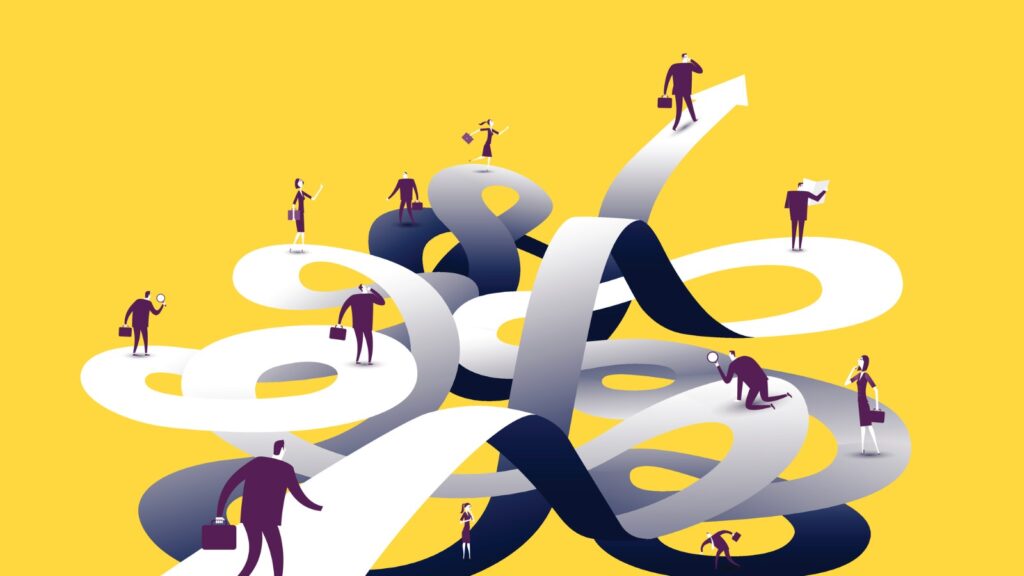
When tech brands are born, they usually start with a clear identity, a mission and a north star belief which energizes early momentum and acts as a lighthouse for talent. These trailblazing years are typically defined by product development as they are either trying to disrupt a legacy category or invent a whole new one. With this fresh digital transformation, there is usually plenty of room to grow.
During these early years, the role of marketing looks at performance tactics as the go-to cost-effective lever easy to turn off and on with the riches of data which usually all point in an upward direction. In the early days, the best ROI is actually spending very little but it gets harder from there. At some point, converting the early customers starts to get more challenging as you must scale to cross the chasm into the mainstream. It’s common that this moment coincides with like-minded competition maturing at the same time. What was once your differentiator has become the latest table stakes in the category.
We like to think of these as the awkward teenage years for brands. Instead of worrying about good grades, SAT scores and getting a driver’s license, brands are stuck worrying about innovation, growth targets and ROI. The lever of performance marketing alone becomes more expensive and less efficient. To really scale to the household name stratosphere, introducing the lever of brand building becomes crucial.
We’ve learned a lot from our clients like Affirm and Opendoor, who have gotten through their difficult teenage years and are on the path to becoming iconic grown-ups in the categories they came to disrupt. Along the way, we’ve learned some important lessons about growing up:
- Dust off your original mission, vision and values. Unless you are overwhelmingly a mission-driven company like Tom’s or Patagonia, you typically aren’t using your mission as a starting point from a performance marketing perspective. Take another look at it.
- Strive for an emotional connection. Unleash your original north star in a way that delivers a level of emotional connection to a wider audience rather than simply ‘converting’ in-market shoppers.
- Bring in fresh perspectives from the outside. As time passes and the brand grows, you are less likely to think from the consumer’s perspective than you realize. New thinking is important.
- Appreciate that brands cannot be built overnight. Relying on the most readily available data often leads you to short-term optimization plans but brand loyalty typically develops over time in people’s minds. You need to be patient as you look for results.
- Focus on both short-term success and long-term health. Ensure the C-Suite understands that you have immediate goals and a long-term vision and that metrics need to be measured differently but respected equally.
Introducing a brand alongside performance will require a learning curve. We believe you should never see them as competitive disciplines but as complementary strategies. Start experimenting with the dials in terms of investment and remember that “growth marketing” can apply to both. The messy middle of the marketing funnel is often overlooked as a place you can thrive.
It should be a big lesson that the more mature tech brands are now the biggest spenders in brand marketing, not just in their categories but in the world of advertising. They’ve recognized the significance of their brand as a huge intangible value on the balance sheet, not merely on the ROI of driving short-term sales.
Growing up isn’t easy but often, brands, like teenagers, find their unique voice.
You May Also Like

Why Static Audience Segments Break Down at Christmas
By James Sexton-Barrow, Head of Strategy and Planning at Mobsta Christmas remains one of the biggest moments in the retail calendar, but the way consumers shop for it is becoming […]
The Future of Advertising Belongs to Creative Systems, Not Creative Departments
Advertising has spent years borrowing the language of entertainment, but the more consequential change is happening behind the camera. Agencies are increasingly being asked to operate like studios, production companies are being invited into the creative process earlier, and creative leaders are finding that their jobs now extend far beyond deciding whether an idea is good enough to put in front of a client.
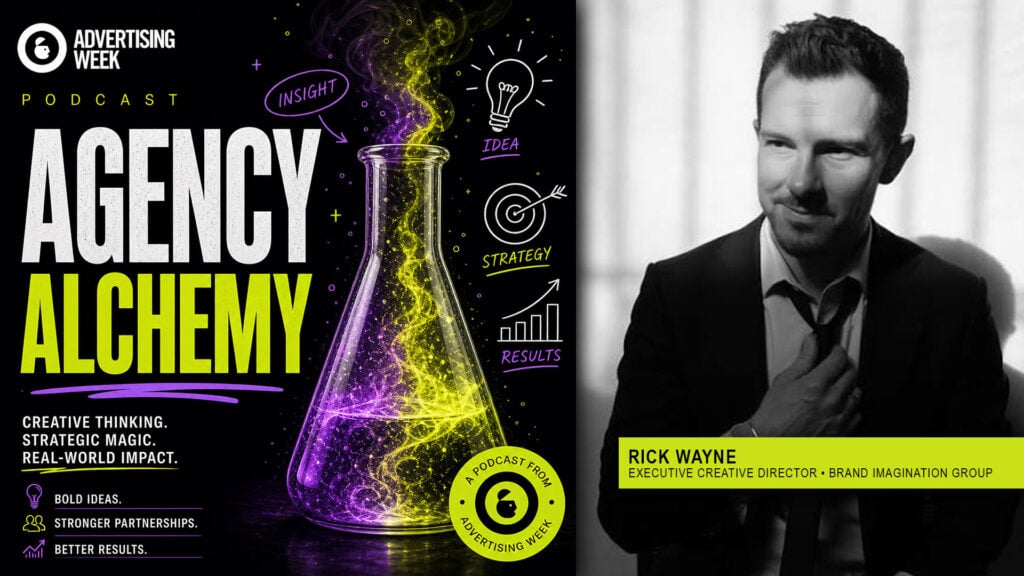
Building a Better Creative Engine, Featuring Rick Wayne of Brand Imagination Group
What happens when Hollywood filmmaking collides with the agency world? Rick Wayne, Executive Creative Director at Brand Imagination Group, joins Agency Alchemy to explore why the traditional agency model is struggling to keep pace with modern creativity and what might replace it.