

The Fall Line-Up: Why Out-of-Home Belongs in Every Plan

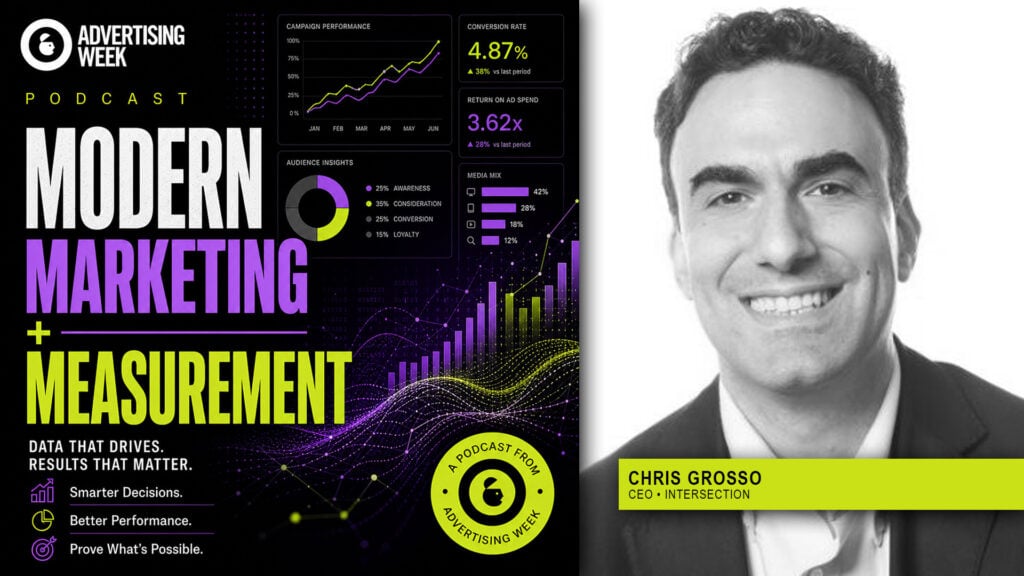
By Chris Grosso, CEO, Intersection
Every fall, the advertising industry’s calendar fills up fast. Programmatic I/O, Advertising Week New York and the ANA Masters of Marketing land within weeks of each other, and the pitches, platform launches and bold predictions arrive right along with them. It is the loudest stretch of the year for marketers, and it comes just as the most competitive quarter of spend is already in motion.
This year, AI was the common thread. And Olivia Oshry, chief marketing officer of the Out of Home Advertising Association of America (OAAA), summed up why out-of-home media is more relevant now than ever: with AI flooding feeds with content, the physical world gives brands a way to reach people in moments that feel authentic and memorable.
With the conference circuit behind us and Q4 underway, the question isn’t what was announced. It’s what is still standing when the dust settles. For a growing number of brands, the answer is out-of-home (OOH).
The Proof is in the Budgets
The market is voting with its budgets. Globally, OOH spend reached $54.2 billion in 2025, up 15%, and digital OOH is forecast to make up nearly half of spend this year, according to the World Out of Home Organization. The U.S. is moving the same way: U.S. OOH revenue rose 10.7% in the second quarter, reaching $3.16 billion and topping $3 billion in a single quarter for the first time, according to OAAA. Digital OOH grew 18.5% year over year and made up 38.4% of quarterly revenue.
Why Fall is OOH’s Season
The conferences are where plans get pitched. The holiday season is where they get tested. Fall is when two calendars collide. For marketers, it’s the push to make Q4 count. For consumers, it’s the reset: summer is over, routines are back, and schedules fill with football, the back to school commutes, events and holiday shopping. The National Retail Federation (NRF) expects holiday sales to grow 4.2% to $1.013 trillion, up from $972 billion last year. And despite the rise of online shopping, in-person shopping is still the preference for many consumers, with e-commerce accounting for only 17.1% of U.S. retail sales in the second quarter, according to the Census Bureau.
The calendar offers a ready-made example. On Nov. 26, the Macy’s Thanksgiving Day Parade marches for the 100th time, with a record 100 inflatable elements and a national broadcast on NBC, Peacock and Telemundo. Brands are already building around it: Macy’s has lined up centennial product collaborations with names including Levi’s, Crocs and Disney. The lesson reaches beyond one route: moments when a city gathers around the same experience are rare, and the brands that show up along the way become part of the day instead of an interruption to it.
That’s where OOH earns its place. It reaches people on the street and around events, in the moments they’re deciding where to go (and where to shop) and what to buy. A new IAB report makes the case for putting digital OOH on more media plans because it reaches people as personal screens are less likely to dominate their attention.
Advancements in OOH measurement can also connect that exposure to outcomes like foot traffic, brand lift and site visits, which matters in a quarter when every budget is under scrutiny.
Plan Now, Move Fast
Q4 is already underway, but that doesn’t close the door on OOH. Digital formats and programmatic buying make OOH one of the few real-world channels flexible enough to add weight in-season, whether that means extending a campaign through the holidays or shifting creative to match the moment.
The bigger opportunity is what comes next. The brands that get the most from OOH are the ones that build it into the plan from the start rather than treating it as an afterthought. Early planning means better placement, creative designed for the format and the moment, and measurement set up on day one instead of reverse-engineered afterward.
The Takeaway
Here is a simple test for any media plan: where does it earn attention in the real world, and how will you prove it?
Before the year ends, take a hard look at your current Q4 plan and ask whether there is room to add OOH for the final stretch. Then, as 2027 planning begins, make OOH part of the first conversation rather than the last. Ask your partners how they’ll measure outcomes beyond impressions, and set those goals before the campaign starts. The brands that do will head into the new year with campaigns that are both measurable and memorable.
You May Also Like
Why Games Need Ads
Much of the games industry has been happily running on the huge amounts of money that Big Tech companies had to spare. The likes of Amazon and Microsoft subsidized game budgets simply because they could afford to do it. Platforms spent massive amounts of cash to put games on subscription services at a loss, and developers spent huge sums paying streamers just to get a game trailer noticed.
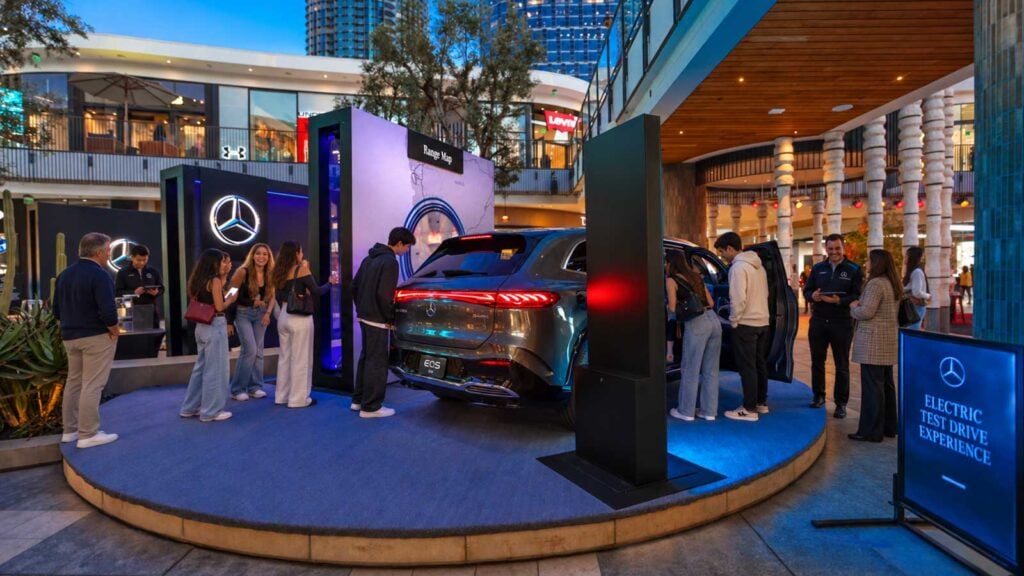
The Automotive Retail Playbook: How Brands Can Win Consumers at the Modern Mall
The brands that win the next generation of car buyers will not just show up where consumers are shopping. They will show up where consumers are discovering, experiencing, and building emotional connections long before the dealership visit begins.

Four Marketing Lessons for B2B Brands, Courtesy of Consumer Marketing
B2B marketing has built an impressive vocabulary around ideal customer profiles, product-market fit, buying committees, funnels, and account-based strategies. Those frameworks give teams useful structure. The people inside those frameworks still make the decisions.