




When Culture Scales, Who Owns the Value?

By Sophie Ozoux, Co-founder of Kin
I live in Venice Beach, CA, where my son has fallen in love with surfing and skateboarding. Spending years between dawn patrols, skateparks and surf shops has given me a front-row seat to a culture that feels both deeply authentic and suddenly everywhere. Every week, another luxury house, fashion brand or car company seems to be filming on the boardwalk.
I’ve been thinking about this a lot lately. It started with surf and skate culture, but I think it is much broader than that.
This summer, I’ve been spending time in Hossegor and Biarritz in the South of France – arguably the spiritual home of surf culture -where I’ve been witnessing the same paradox. Heritage brands struggling. The World Surf League leaving. A business that, by many accounts, doesn’t feel nearly as healthy as the culture itself when you count the crowds of beginners on foam boards in the water and surf-inspired collections filling retailers from Target to Zara and Shein.
Then Louis Vuitton unveiled Pharrell’s latest surf-inspired collection. It made me pause.
Surf and skate have never been more influential. Their aesthetics are everywhere, from fashion, hospitality, travel to advertising. Gear has evolved, making both sports more accessible than ever. So why aren’t the companies that spent decades building these worlds benefiting proportionally from their newfound desirability and democratization?
This isn’t just a surf story. It’s a pattern.
Hip-hop transformed music, fashion and luxury while brands far outside the culture captured enormous commercial value. Streetwear reshaped global fashion before its visual codes became ubiquitous. Formula 1 exploded into the mainstream and immediately sparked debates about what might be lost along the way.
Different communities. Same story. A tightly held community creates something unique and meaningful. It develops its own rituals, values and identity on the fringes, in contrast to the mainstream. Eventually, the very things that made it distinctive become desirable. The symbols spread. The aesthetic follows. The mainstream catches up. The culture becomes public property.The market gets bigger. Just not always for the people who created it.
What other companies borrow isn’t just the aesthetic. They’re borrowing the meaning – the cultural capital that those communities spent decades creating. Freedom. Adventure. Community. Craftsmanship. Optimism. Belonging. Those are assets with extraordinary value.
We spend a lot of time asking how brands create culture. Maybe it’s time we started asking what happens after they succeed. Because the biggest challenge isn’t creating culture. It’s continuing to capture its value once everyone else starts participating in it.
One company offers an interesting clue. Patagonia didn’t succeed because it made a fleece nobody else could make. It succeeded because, over decades, it built advantages that are much harder to reproduce. Anyone can manufacture technical gear. No one can manufacture decades of environmental leadership. And the trust and credibility that came with it. Its products still matter enormously. But over time, its competitive advantage expanded far beyond the product itself.
That feels like an interesting takeaway. Great products will always matter. But as your culture scales, what becomes more valuable, not less? What can you keep building that others can’t reproduce? Communities. Stories. Relationships. A point of view. Trust. Credibility. Those things compound.
The brands that endure won’t be the ones with products no one can copy. They’ll be the ones that continuously build advantages that extend far beyond the product itself.
You May Also Like
The Entertainment Revolution: Why Brands Need to Think Beyond the Screen
As gaming, streaming and social media reshape how audiences experience entertainment, marketers face a fundamental challenge: Learning to participate in culture rather than simply advertise alongside it.
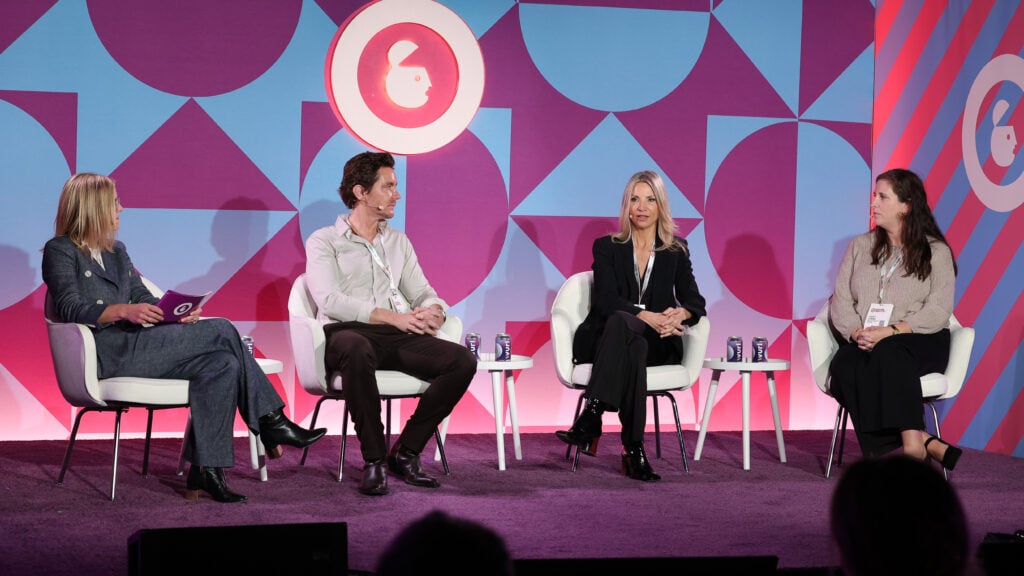
More Than the Game: Earning a Place in the Fan Conversation
Ann Piper, Head of Sales for the Americas at Spotify, moderated the discussion with Angela Steele, Chief Client Officer, U.S. at WPP Media; Wes Harris, Director of Marketing for YouTube TV at Google; and Juliet Litman, Director of Talent and Operations at Spotify Podcast Studios.

Traditional Attribution and Promo Codes Share the Same Blind Spot
Traditional attribution and promo codes share the same blind spot.