




How To Build a Cross-Border Culture of Collaboration to Spark Multinational Growth

By Christophe Collet, CEO, Locala
Our industry has tried to practice the mantra “Think Global, Act Local” for decades but the ongoing digital revolution has reshaped the way we do business so much that it’s more and more possible to accomplish. The real-time, instant connectivity of the current digital age has already made conducting business across borders and time zones much more frictionless. Then Covid struck and everyone, regardless of time zone or geography, retreated to their homes and reshaped local business dynamics to look and feel much more like a global one. With the advent of Zoom Culture, multinational companies are now in a position to strengthen ties across the world.
As a French entrepreneur who launched his company in Paris and has expanded it to many far corners including across Europe, Canada, the U.S. and Latin America, I am a firm believer that international growth must not sacrifice a common “esprit de corps” that glues the entire enterprise together. In fact, I would go one step further and assert that a distinct culture that crosses borders is essential to successful and sustainable growth.
But what about all those pesky cultural differences that need to be accounted for? Sure, there are obviously plenty of differences among countries and nationalities but I would say that in this era of social media and other border-busting media channels, there are a growing number of cultural touchstones that are shared by people all over the world, forging a more common context for collaboration and understanding. The global buzz over Netflix’s “Squid Game” is an example of how sensibilities are melding in this borderless cultural world. And with the advent of Web3 and the Metaverse, those opportunities for fusing local cultures into one global culture in a corporate context will grow.
Besides relying on easy access to shared cultural content, building a common culture must also have the human touch. If you are a CEO who wants to build a global culture, then you need to hop on a plane and make sure you become a roving global ambassador for your brand’s values in all of your key markets. If you are based in Europe and you want to be an impact player in APAC, then perhaps a tenure in Singapore or Tokyo may be in order. Instead of hiring a local through a headhunter on the ground to run that territory—the traditional way that companies go about global expansion–might it be better to go there yourself, immerse yourself in the local business community and then learn and build out the local team from the ground up and not from your HQ corner office in Paris or London?
If you are a founder/CEO who is willing to go that extra yard, your effort and dedication will pay off. But to truly succeed, you will also need to lead more by listening rather than talking. This local immersion can only be of benefit if you walk into these local markets with your antennae up for the smorgasbord of signals that will help you get a sense of the cultural and work differences there. Don’t make the mistake of arrogance. Operate from the mindset that you don’t know what you don’t know about any given market. Then be a human sponge that will inform the vision you shape.
All successful companies are driven by bedrock values; so as a CEO/Founder on the ground in a new market, you can rely on those values as your North Star that can be adapted to and shaped by the local culture in a way that strengthens the original values, not compromise it. Having a corporate DNA that crosses borders while maintaining unwavering respect for geographic differences in business practices and regulations is the winning formula to multinational growth.
You May Also Like
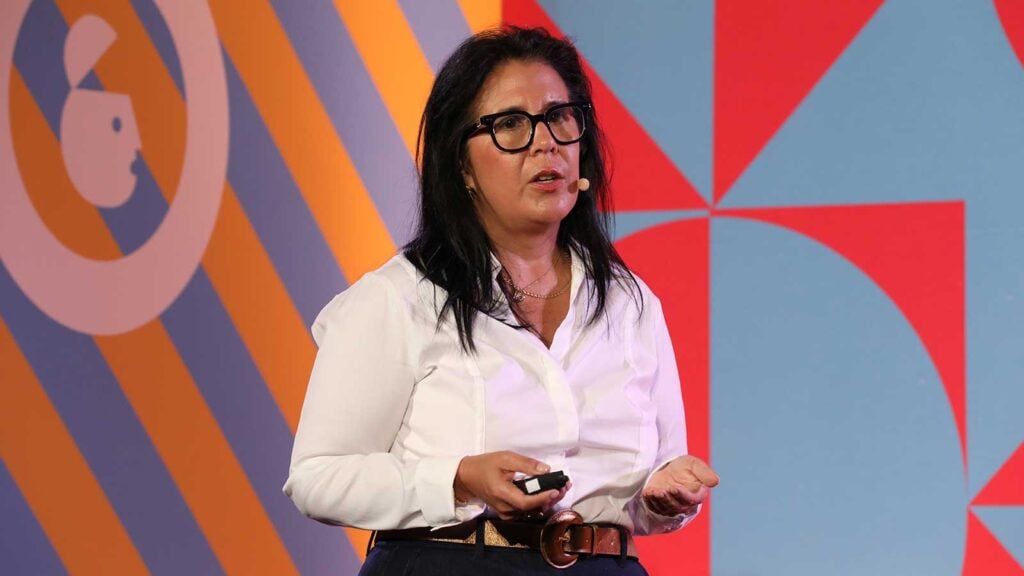
The Privacy Payoff: What 11,000 Consumers Want Marketers to Know
At Advertising Week New York 2026, Usercentrics’ Maureen Prado argued that clearer explanations and greater consumer control can help brands build the trust needed to sustain customer relationships.

The Best Agency-Client Relationships Are Built in the Trenches
When was the last time your in-house team handed you a Don Draper holy $#!* moment?

Evolving Commerce Media: How Offsite Unlocks the Full Funnel
Commerce media spent the last decade proving one thing exceptionally well: onsite ads drive immediate conversions. But treating commerce media purely as a bottom-funnel sales tool leaves most of the customer journey untouched.