




How Top Fashion Brands are Advertising on Social Media

BrandTotal study analyzed thousands of paid and organic ad campaigns from nearly 40 top fashion brands, including Nike, Gucci and Zara
By Noam Harel, CMO, BrandTotal
According to Pew Research Center, today in the US, seven-in-ten are using social media. Of that group, younger adults are the most loyal and heavy social media users, creating an unparalleled marketing opportunity.
Premier fashion brands recognize the opportunity and are meeting the moment. They are leveraging the power of social media advertising to drive sales and stay relevant with younger generations, specifically Gen-Z and Millennials.
With that in mind, BrandTotal, is the leading social competitive intelligence and brand analytics platform. Recently, we released new data on how the world’s top fashion brands advertise across popular social media channels like Facebook, Twitter, Instagram, LinkedIn, and YouTube.
This report — the “Social Intelligence Competitive Snapshot: How Innovative Fashion Brands Are Achieving Social Media Success” — analyzed all paid and organic social campaigns from 36 top brands, such as Nike, Gucci, Zara, Chanel, Asos, and Louis Vuitton, over a 3-month period, from May 25th to June 25th, 2021. Brands were selected based on third-party sales volume data.
Here are some of the key takeaways.
Nike Wins on Paid Social Share-of-Voice
In an analysis of paid social Share-of-Voice (SOV), which we define as percentage of sponsored impressions, Nike dominated, with 20% SOV compared to Adidas at 12% and H&M with 11%, Old Navy’s SOV was just 6% and Savage X Fenty was at 5%.
What it Means:Nike won on paid SOV, with robust digital ad spend. They are prolific when it comes to paid advertising and social media is no exception.
Who’s Targeting Who? Demographic Breakdown
In terms of demographics, most brands aimed ads at a younger audience, specifically Gen Zs and Millennials. Gucci, for example, aimed 60% of its ads at 18-24 year-olds. For Burberry, this went up to 80%.
Outliers included Bombas, whose primary age bracket was 55-64 year-olds, and Alo Yoga and Next which targeted 25-34 year-olds with 64% and 91% of ads, respectively. Additionally, Ralph Lauren looked to the 35-44 year-old group with over half (51%) of its ads, while Armani and Victoria’s Secret were more evenly spread across age ranges.
What it Means:Targeting a younger audience is a strategic move by fashion brands to capitalize on digital natives who grew up in a world of social media and ecommerce. Younger audiences are also more likely to convert online, which is increasingly important as each social platform introduces new commerce features for brands.
Sustainability
Nike’s advertising campaigns advocating for social change are resonating with teens and young adults. Nike’s success with the demographic, in part, is linked to high-profile marketing campaigns. One of those included an ad that featured Snowboarder and Olympic gold medalist Chloe Kim who joined climate expert Dr. Ayana Elizabeth Johnson to discuss the effects of climate change on the future of sport. Nike ranked No. 1 in the footwear category in the Taking Stock with Teens report in Fall 2021 produced by financial services firm Piper Sandler.
Marketing strategy can make or break a company. Successful marketing can expand a business and increase wallet share. Ineffective marketing strategies lead to a decline in customer interest, thus less consumer traffic, which ultimately results in less sales. These fashion brands’ efforts across social media platforms illustrate that innovative and fresh marketing strategies are most effective in attracting and retaining new customers.
Methodology
Using artificial intelligence, BrandTotal’s platform identifies, aggregates and analyzes marketing campaigns across the social media ecosystem, helping advertisers and agencies see their competitive landscape farther and more clearly. It provides deep actionable insights on advertising sentiment, engagement, spend, creative and design tactics, dark versus public ad metrics, organic and sponsored data, social share-of-voice (SOV), share of topic, video versus non-video, social media mix, audiences, and more.
You May Also Like
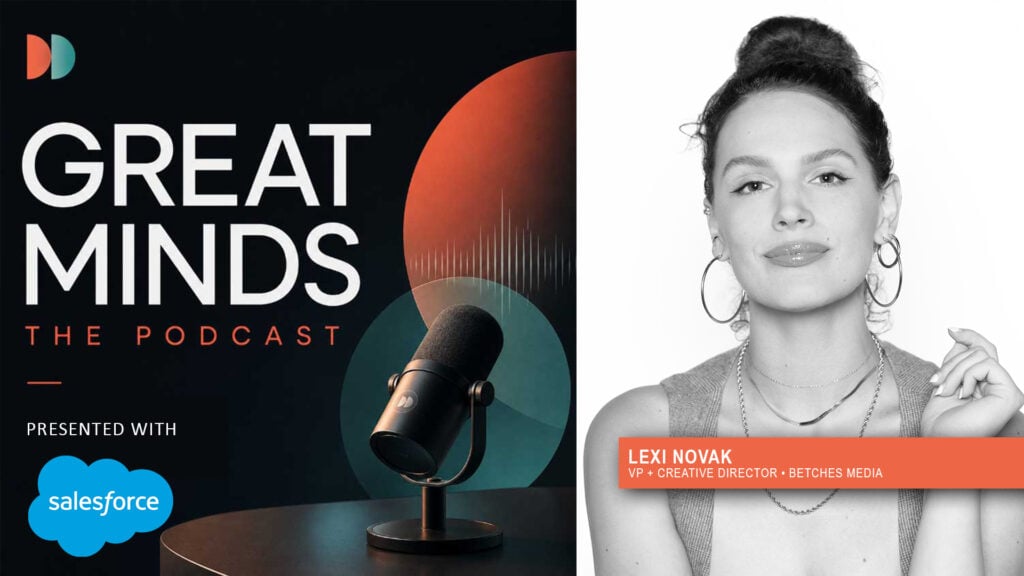
Lexi Novak of Betches Media on Why Audience Connection Beats Content Creation
What does it take to build a media brand that audiences genuinely connect with, and what can marketers learn from a company that has made humor, honesty, and cultural relevance its calling cards?
The Privacy Payoff: What 11,000 Consumers Want Marketers to Know
At Advertising Week New York 2026, Usercentrics’ Maureen Prado argued that clearer explanations and greater consumer control can help brands build the trust needed to sustain customer relationships.

The Best Agency-Client Relationships Are Built in the Trenches
When was the last time your in-house team handed you a Don Draper holy $#!* moment?