It’s Pride Month—Here are 4 Tips to Help You Authentically Represent the LGBTQ+ Community
By Claudia Marks, Senior Art Director, iStock
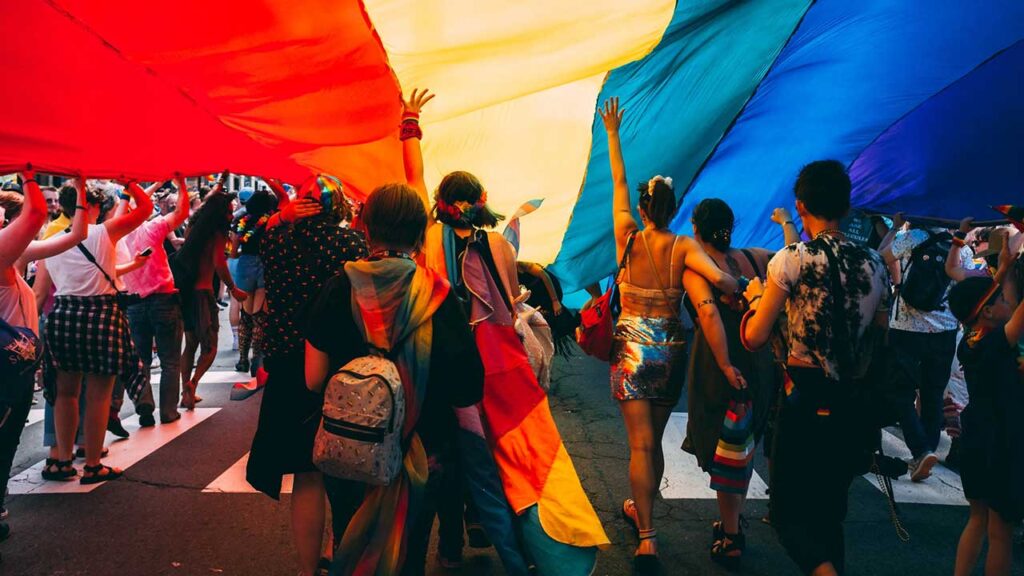
In this era of inclusion, which has become synonymous with diversity, brands need to show what really matters. This takes shape in the form of people wanting and expecting the imagery around them to be representative of themselves and how they see the world. In the LGBTQ+ community, where many have faced discrimination and bias, it’s important to connect through imagery that feels real and avoids using stereotypes as shorthand.
According to Visual GPS, an iStock research initiative, 68% of all respondents say it’s important to them that the companies they buy from celebrating the diversity of all kinds and 76% of GenZ and Millennials agree with this statement.
Here are four tips to help you authentically represent the LGBTQ+ community in your advertising and marketing campaigns during Pride Month and throughout the year.
Intersectional storytelling in LGBTQ+ communities
The dominant depiction of LGBTQ+ people in advertising and media is still a young, white and affluent male. LGBTQ+ identities overlap or intersect with every other possible group in an infinite number of ways. To feature LGBTQ+ people authentically, this must be reflected in the images you choose to include in advertising and marketing.
Include the LGBTQ+ community in business visuals year-round
Financial services brands are vocal participants in Pride Month, and some companies have even launched initiatives aimed at including the transgender population. However, representation of the LGBTQ+ community in marketing and advertising by financial services companies is lacking—and, when they are included, they are most frequently shown in romantic visual stories. While this is a step forward, focusing on one month out of the year doesn’t capture the full and multi‑faceted lives that this community leads.
Re-picture LGBTQ+ families
At iStock, as recently as 2018 we began to see customer demand for depictions of LGBTQ+ families. When brands did feature LGBTQ+ families in advertising ‑ they were typically white, upper-middle-class, traditionally good‑looking, cis‑gendered men with a baby. Considering the myriad of ways LGBTQAI+ families exist – these depictions were surprisingly narrow and stifling. Now, however, we’re beginning to see more inclusive representations that portray a more rounded picture of LGBTQAI+ family life ‑ including single parents, transracial families, blended families, co‑parenting, as well as parents of different ages and socio‑economic backgrounds.
At a time when new family configurations continue to be seen as threatening to certain groups of people in society ‑ and as governments continue to create barriers to prevent LGBTQ+ families from thriving ‑ it is important to celebrate the diversity of how our families are formed. And we need to see them reflected in our wider culture and by the businesses we support.
More Than Love: Beyond Romance for LGBTQ+
More often than not the media shows the LGBTQ+ community depicted as romantic lovers and nothing more. The truth is like all humans they live incredibly full, rich complicated lives both within and outside of their romantic and/or sexual interests just like everyone else. They work, pay bills and spend money. They laugh, cry and have fun with their friends. They drink, they’re sober, they love their biological families and redefine family for themselves. They explore gender performance, they align with their gender assignment at birth, they forgo the gender construct completely, they find love, they opt out of love. They marry, they partner, they opt for non‑monogamous relationships they have children, they choose not to have children. They take their kids to school, make dinner and put them to bed and plan family vacations and celebrate holidays. Like all of us, their lives go on and on and evolves and thus, should be fully reflected in marketing and advertising.
You May Also Like
Lexi Novak of Betches Media on Why Audience Connection Beats Content Creation
What does it take to build a media brand that audiences genuinely connect with, and what can marketers learn from a company that has made humor, honesty, and cultural relevance its calling cards?
The Privacy Payoff: What 11,000 Consumers Want Marketers to Know
At Advertising Week New York 2026, Usercentrics’ Maureen Prado argued that clearer explanations and greater consumer control can help brands build the trust needed to sustain customer relationships.

The Best Agency-Client Relationships Are Built in the Trenches
When was the last time your in-house team handed you a Don Draper holy $#!* moment?