




Let’s Not Be Distracted by Instream vs Outstream: UX Eclipses Them Both
By Joseph Lospalluto, US country manager at ShowHeroes Group
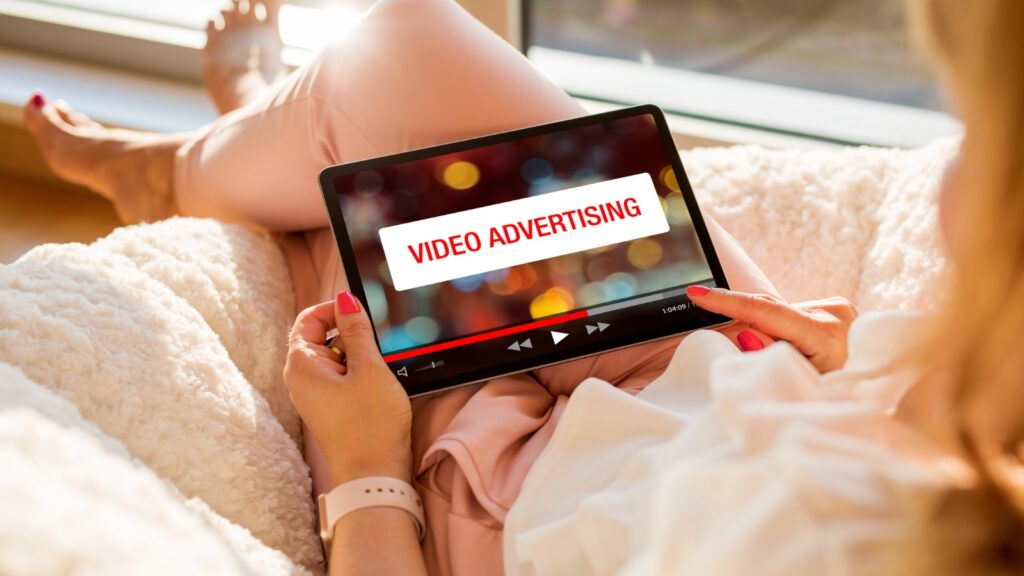
With digital video ad spend surging to an estimated $50 billion this year — CTV investment alone is set to increase by 22% — it makes sense that the IAB Tech Lab wants to define clearer boundaries of protocol for video ad placements. In a burgeoning space where every brand has become a storyteller, any effort to provide clearer distinction for varying types of video integrations should be welcomed.
However, the IAB’s latest guidelines seem to set their core attention on audibility as a measure of the ‘premiumness’ of the integration — laying out when digital video ads must be sound-free — which is just one element of a complex, creative and multifaceted space. Drawing a dotted line between audio as instream versus no audio as outstream is misleading, and doing so misses the bigger picture of video’s meteoric rise.
While it’s important that the IAB continues to scrutinize evolving standards of delivery, we should resist the temptation of discrediting either instream or outstream formats. In reality, both approaches have their merits, pertinent to the objective of the advertiser and attempting to pitch one against the other obscures the more urgent issue. Namely, how ads can provide a world-class user experience with inclusive, engaging and relevant video messaging, across a multitude of platforms and hit their KPIs.
A Definition Too Far
The IAB needed to do something to reign in the various cowboys — i.e., the plethora of cheap, intrusive video ads — in an untethered space. But in doing so, its swing has landed wide.
The integration of compelling brand videos online is a matter of nuance; there are a hundred different considerations that go into the end result. So to reduce that down to whether a video ad has audio on or not feels too rigid and lacks the inclusion of the user having a say in how they choose to engage with an advertiser.
A more important way to define a premium video experience is in terms of its relevance around content and whether it fosters an engaging experience for the end user. Basing the quality of an ad on whether it has sound or not creates unnecessary divisions, and it’s also something of a red herring. Instead, as video creators, we should be zeroing in on what creates lasting value for users as that alone is the end target of any advertiser… to capture a user’s attention, so a message can effectively be delivered for the end goal of purchase.
Inclusion, Equity and an Omnichannel Sphere
The new guidance also needs to be more comprehensive with today’s omnichannel climate. Depending on whether a user is tuning in from a mobile, desktop or CTV, they’ll want to access video ads and content in different ways. Audio may or may not be considered intrusive and creative video campaigns should be able to flex accordingly, offering a range of options according to diverse devices and consequent user behavior/preferences.
To build standout brand story arcs, we also need to be attuned to being equitable. For example, we’re seeing a growing trend of consumption of digital video without sound – especially by younger audiences and on social media – and for this demographic, it’s useful to have a choice. Meanwhile, for deaf or hard-of-hearing users, audio does not define a great ad experience at all, and other modes of messaging must be called upon.
The whole point of a video-driven world is that we can hand users the controls over how they want to engage. This might vary dramatically between individuals and also the situations they happen to be in. Given this dynamic, advertisers must focus their efforts on rich video creative storytelling that can withstand a user leveraging no audio, closed captions or audio on. This is the most equitable way for the user and still accomplishes the end goal of storytelling a brand’s message.
Prioritizing user experience
The debate we face is not about instream or outstream formats; or forcing users to watch videos in a particular way. However ads are surfaced, they should cultivate an outstanding user experience and deliver the reach and KPIs that advertisers expect; something that depends on the relevance of an ad versus its content setting.
That’s why instream still commands a premium viewing experience; because placing relevant video ads in a video stream of content constitutes a seamless approach for high-quality, compatible content. Moreover, instream depends on publishers developing rich video libraries, which will push the industry to higher, more engaging standards of content overall.
Ultimately, though, instream versus outstream is not a rabbit hole that we, as a sector, need to venture down. With a relentless focus on great user experience — taking in the many nuances that this entails — a more discerning form of standardization lies in reach.
You May Also Like

The Best Agency-Client Relationships Are Built in the Trenches
When was the last time your in-house team handed you a Don Draper holy $#!* moment?

Evolving Commerce Media: How Offsite Unlocks the Full Funnel
Commerce media spent the last decade proving one thing exceptionally well: onsite ads drive immediate conversions. But treating commerce media purely as a bottom-funnel sales tool leaves most of the customer journey untouched.
The Entertainment Revolution: Why Brands Need to Think Beyond the Screen
As gaming, streaming and social media reshape how audiences experience entertainment, marketers face a fundamental challenge: Learning to participate in culture rather than simply advertise alongside it.