




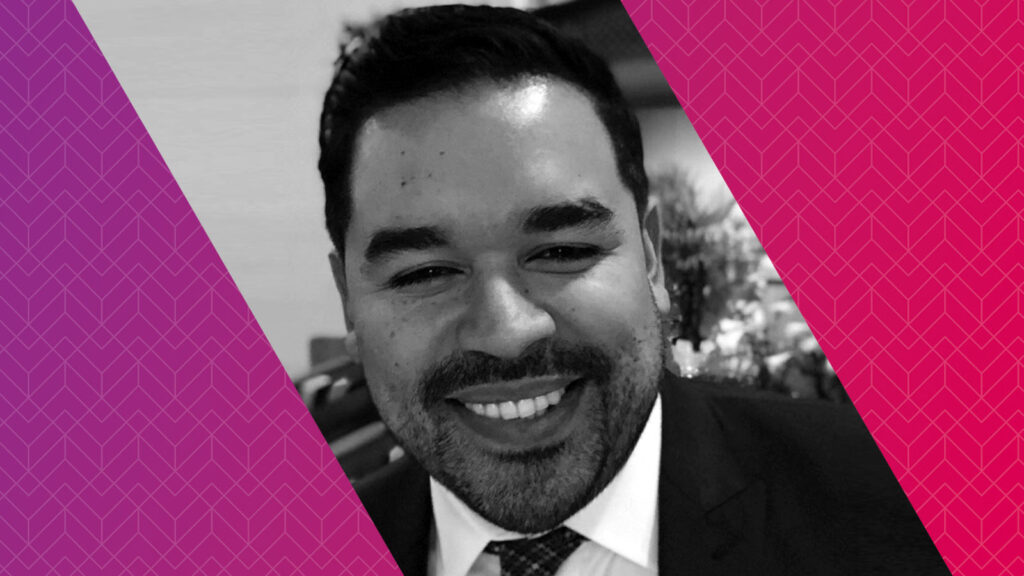
Q&A with Robert Velez, Director, US Multicultural & LATAM, Vevo
By Advertising Week
Ahead of Vevo’s AWAdvance event on 25 May, 2021, we sat down with Robert Velez, Director of US Multicultural & LATAM Sales at Vevo to discuss the LATAM market and Vevo’s unique and growing position within it.
Q: Tell us how Vevo is active in the LATAM marketplace in 2021 vs previous years?
In previous years, Vevo’s inventory was managed by a third-party reseller, but in 2020, we decided to move that in-house and start selling in Latin America directly. We’ve brought in a dedicated lead based out of Miami to manage our partnerships, and our plans are to continue to grow and expand our presence in Latin America.
Q: Now that Vevo is selling directly in the LATAM market, what opportunities does that present both to the Vevo brand and to your customers?
Selling directly creates tremendous opportunity for everyone. Previously with our third-party reseller, we were being packaged with other video content, which limited our partners from taking advantage of everything that Vevo has to offer. Selling directly gives us the ability to demonstrate the full scope of our capabilities and different ways in which our clients can leverage both our scale and our premium content.
Q: Explain a little bit about how Vevo can be used to target audiences in the LATAM market?
We currently reach 186 million viewers in LATAM on a monthly basis. So, at a minimum we’re reaching 1/3rd of each of the populations of Mexico, Colombia, Argentina, Chile, Peru, and Brazil. This provides our partners with incredible scale that they can utilize to reach incremental viewers through the most exciting premium content that exists in the world. Vevo has also expanded its offering into the living room through our connected television distribution strategy. This means our partners can reach Vevo consumers in digital and television environments in a unique way.
Q: Vevo has seen massive growth in the past year. What do you attribute this success to?
I attribute a lot of the growth to the artists themselves. Now, more than ever, Latin music has been dominating our collective media consumption and has really solidified itself as part of our everyday culture. These artists, like J Balvin, Karol G, and Maluma are tastemakers; they’re the ones driving style, and audiences are fully engaged. We have seen viewers on Vevo leaning into this content now more than ever, and it shows in the growth across all of our devices, most notably, on the connected television. So, our job is to continue to ensure that we are meeting viewers where consumption is happening with premium, brand safe, culture-shaping content.
Q: What does the future of Vevo look like in LATAM?
Vevo is a modern-day global television network and everything we do moving forward will be rooted in that vision. Advertisers in LATAM will be able to leverage Vevo’s massive reach within different environments to connect with hard-to-reach audiences. While we continue to see video consumption of Vevo content on mobile devices, connected television is growing rapidly, making up a larger share today than ever before. Our goal is to provide our advertising partners in LATAM with solutions that meet challenges of tomorrow. So, just like our content, the opportunities with Vevo are borderless.
You May Also Like
Lexi Novak of Betches Media on Why Audience Connection Beats Content Creation
What does it take to build a media brand that audiences genuinely connect with, and what can marketers learn from a company that has made humor, honesty, and cultural relevance its calling cards?
The Privacy Payoff: What 11,000 Consumers Want Marketers to Know
At Advertising Week New York 2026, Usercentrics’ Maureen Prado argued that clearer explanations and greater consumer control can help brands build the trust needed to sustain customer relationships.

The Best Agency-Client Relationships Are Built in the Trenches
When was the last time your in-house team handed you a Don Draper holy $#!* moment?