




Reshaping the Beauty Industry One Shop at a Time After the Shutdown
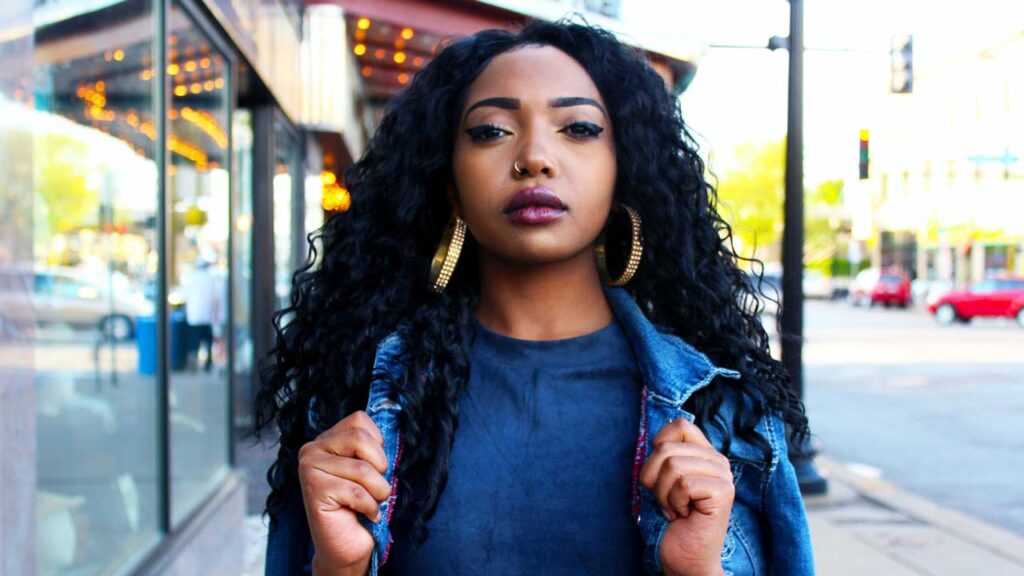
Wil Shelton, CEO and Founder of Wil Power Integrated Marketing
Black barbershops and salons are back, and their cultural and economic significance is stronger than ever.
Covid-19 exposed African American beauty salons and barbershop owners to more than a virus: It exposed how important these businesses are to the Black community.
Before the coronavirus pandemic struck and social distancing measures were put into place,
IbisWorldAshley Harrington, director of federal advocacy and senior counsel for the Center for Responsible Lending, went over the loan program’s parameters and noted that 95% of Black-owned businesses stood close to no chance of receiving a PPP loan through a mainstream bank or credit union while major corporations received loans in the millions. In line with historical realities, Black barbershops and salon owners and workers were simply left out and had to fend for themselves.
Meanwhile, new COVID regulations meant fewer customers could be in the shops at the same time, blunting the feeling of comradery and community that Black-owned barbershops and salons are known for. Owners have had to get creative about retaining customers by offering unique services such as providing in-home cuts and styling, pre-mixing custom hair dye for use at home, or creating custom wigs that female customers can wear until the shops were able to service them onsite. This has been very, very difficult for shop owners and groomers, but Black salon and barbershop owners have proved they are resilient, in part because working with what you have in order to build something better is an integral part of the Black experience. Black beauty shops and barbershop owners proved their resourcefulness by leveraging social media to stay relevant and afloat, creating tutorial videos on braiding or detangling hair or providing low-maintenance tips for at-home grooming. Social media also revealed that, for many Black men and women, their connection with their stylist goes much deeper than a haircut or a shave. Stylists and barbers tend to be able to get more out of you in 15 minutes than a therapist can in 15 years. They develop relationships that go back decades, and their clients depend on once or twice-a-week visits for their personal wellbeing as much as for their personal appearances.
Covid-19 has shined a light on the importance of Black barbershops and salons to the African American community. Many Black men and women quickly recognized how difficult it is to maintain a professional look without them. They also recognized just how much a day at the shop can empower, revive, and reconnect them to who it is they want to be. After COVID hit, social media sites were inundated with posts about how much clients missed their stylists and barbers because these venues are like the coronary artery of the Black community. Clients missed the salon and barbershop environment, too. Historically, Black salons and barbershops offered a place for Black men and women to lay down their burdens and escape racism and “otherness,” a place where they can go to share their trials and triumphs, spread the good news, dispel false information, and discuss the biggest issues that matter.
Right now, those issues are front and center, and African Americans are rightly emotional about a myriad of topics from the fall of racist Trumpers to Black Lives Matter protests to Minneapolis police officer Derek Chauvin being found guilty of murdering the unarmed George Floyd by kneeling on his neck and cutting off his airwaves for over nine minutes. These are the topics that would normally be discussed freely in Black salons and barbershops, enabling a group to process the trauma of the injustices and providing a platform for African Americans to discuss how they feel about what comes next. This is the same platform African Americans used in the 1800s to discuss emancipation and in the 1960s to organize for civil rights. These venues act as a town hall, and right now, that town hall is a bit emptier, but everyone’s story and journey behind the story still matters.
Interestingly, at the beginning of the pandemic, when Black beauty venues were doing brisk business and becoming the epicenter of marketing to African Americans, they were classified as non-essential businesses. What we’ve learned in the year since is that they are absolutely essential to the millions of African American people—including children—who go there to experience their culture free from judgment, the white gaze, and the politically charged bias against Black skin, Black hair, and Black beauty.
Finally, Black barbershops and salons are being seen as essential to corporations who are under pressure to reach out and engage African Americans. Companies and ad agencies in all industries are finding that these venues help them build trust and gain admission to Black audiences. Healthcare agencies are also partnering with salon and barbershop owners to promote better mental and physical health and even help allay fears about the COVID-19 vaccine and other COVID treatments. What these corporations are learning is that authenticity, cultural relevancy, and transparency are keys to their success and that Black salon and barbershop owners can help them gain respect both in the shops and online, where some salon and barbershop owners have hundreds of thousands of followers who trust them.
COVID-19 changed lives across the globe, but it had a unique impact on life in Black America. Our time away from salons and barbershops has reminded African Americans what they stand for, how important these businesses have been and are to the fight for equality, how much more we still have to fight for, and how Black hair is and always has been a symbol of perseverance. Companies that want to tap into Black culture need to look no further.
About the Author
Wil Shelton is the CEO & Founder of Wil Power Integrated Marketing, a full-service agency offering traditional and digital marketing services to reach multicultural audiences in the beauty and grooming industries.
You May Also Like
The Best Agency-Client Relationships Are Built in the Trenches
When was the last time your in-house team handed you a Don Draper holy $#!* moment?

Evolving Commerce Media: How Offsite Unlocks the Full Funnel
Commerce media spent the last decade proving one thing exceptionally well: onsite ads drive immediate conversions. But treating commerce media purely as a bottom-funnel sales tool leaves most of the customer journey untouched.
The Entertainment Revolution: Why Brands Need to Think Beyond the Screen
As gaming, streaming and social media reshape how audiences experience entertainment, marketers face a fundamental challenge: Learning to participate in culture rather than simply advertise alongside it.