For rights holders seeking to future-proof their sponsorship strategy, the AI Experience Room may represent the next generation of monetizable sponsorship assets.

Presented by

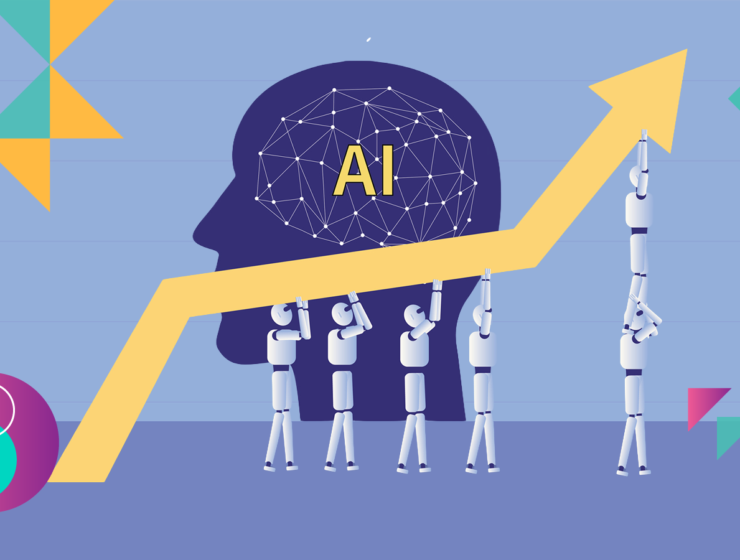
Explore the power of Artificial Intelligence in marketing, where advanced algorithms and data-driven insights are transforming how businesses engage with their audience. Discover how AI can elevate your strategy and drive growth in today’s digital landscape.
For rights holders seeking to future-proof their sponsorship strategy, the AI Experience Room may represent the next generation of monetizable sponsorship assets.
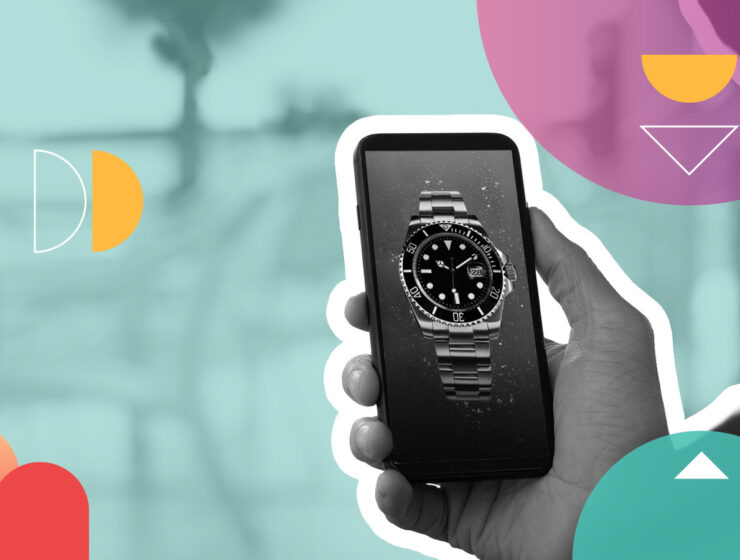
In an industry where loyalty often depends on understanding as much as visibility, giving consumers a space to ask questions, explore ideas, and discover products in their own way may prove to be one of the most meaningful innovations of all.

Luxury will always be defined by craftsmanship and creativity. But in the modern era, digital experience is becoming just as important as physical expression.
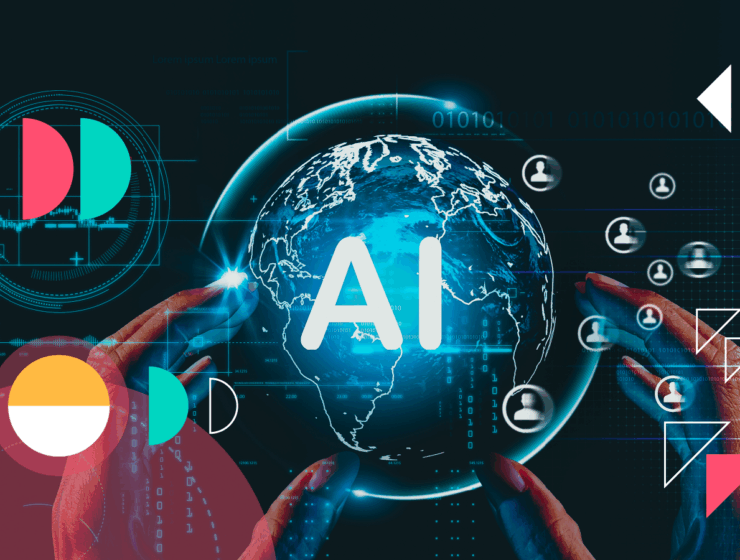
Artificial Intelligence is no longer the future of marketing—it’s the now. From boosting productivity and precision to enabling smarter, more human-centered experiences, AI is revolutionizing how brands operate.

From privacy and data ethics to job disruption and creative dilution, AI in marketing is not without its complications. Here’s a closer look at the challenges marketers, businesses, and society at large must grapple with as this technology evolves.

The future of marketing is here—and it’s accessible, practical, and built for businesses like yours.
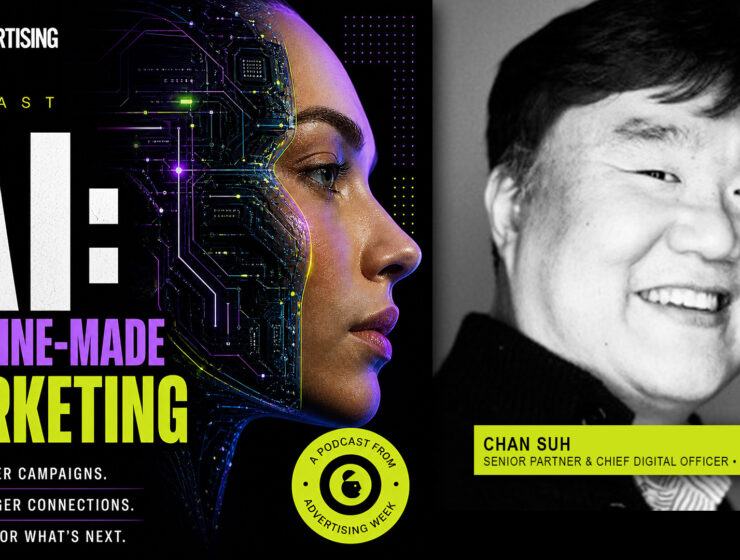
Chan shares new research on consumer trust and explains why the brands that put people first will have the advantage.
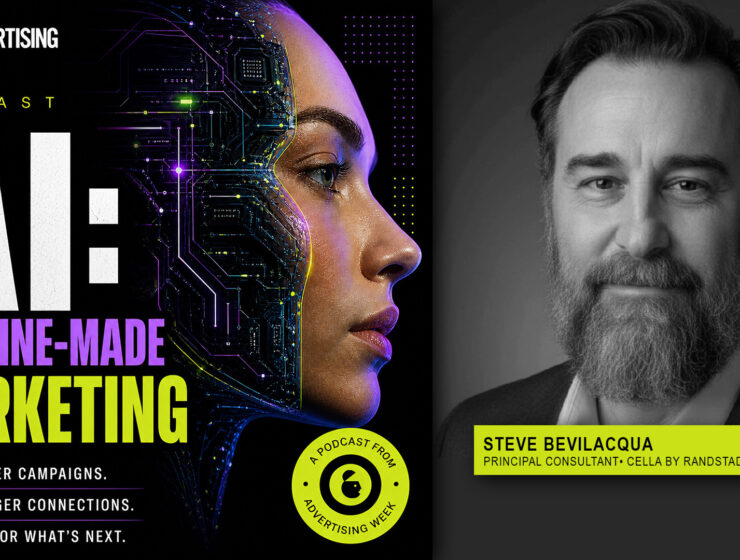
On this episode, I sit down with Steve Bevilacqua, Principal Consultant at Cella by Randstad Digital, for a candid conversation about what AI is actually doing inside marketing organizations today.
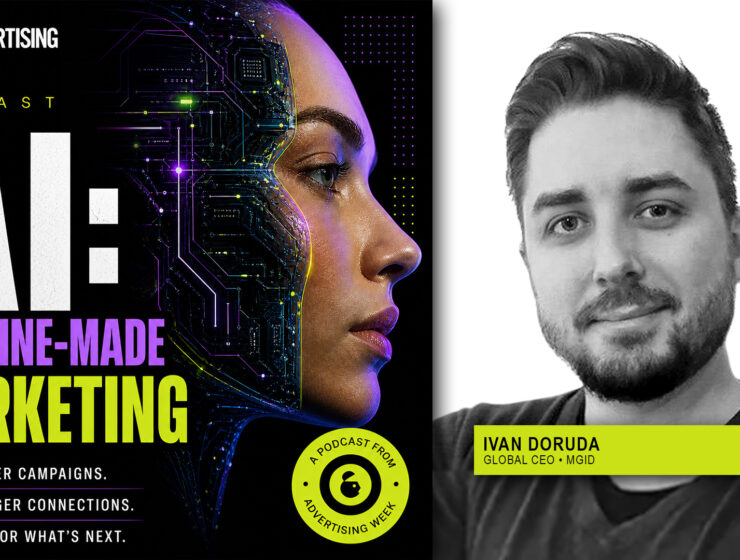
Ivan shares a grounded look at where the industry is headed and why human expertise still matters in an increasingly automated world.

The future of media activation is undeniably moving toward greater automation and agent-led execution.
Chan shares new research on consumer trust and explains why the brands that put people first will have the advantage.

I’m already seeing some of the least engaging advertising of my life out in the world because someone who doesn’t know better—or in some cases, should know better– thinks it looks “good enough”.


The “Deepfakes, TikTok and Political Ads: Media Influence on the Upcoming Election” session, hosted by Advertising Week in partnership with Cint, dove into the powerful role media plays in shaping voter behavior ahead of critical elections.

Learn about the latest AI tools for marketers and how brands are investing in AI to increase campaign effectiveness, reimagine resource constraints and garner real marketing results.
Publishers have split into two camps: those who license, and those who sue.

In an AI-obsessed world, the brands that stand out will be the ones that truly know when technology enhances the human experience and when it gets in the way.

For agencies, this work serves as a wake-up call for 2026. Generative tools are accelerating, but the creative standard is not.

The real shift isn’t that machines replace humans. It’s that the way performance decisions are made changes. AdTech taught the industry how to automate buying and selling.

AI does not need to be expensive to be transformative, allowing for processes that were previously out of reach to become a reality.

The tech startup playbook has been straightforward for decades: Raise capital, hire aggressively, scale fast. The correlation between funding and headcount was nearly linear.
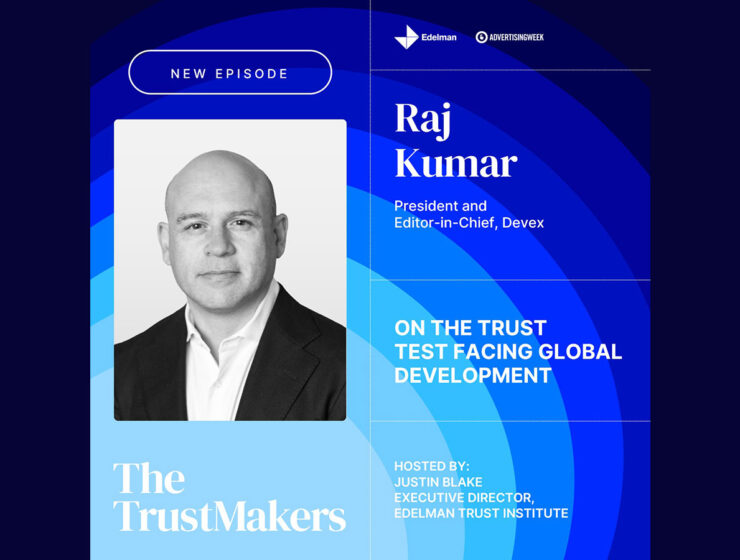
Raj Kumar joins Justin Blake for a recap of their time at the World Economic Forum Annual Meeting in Davos.
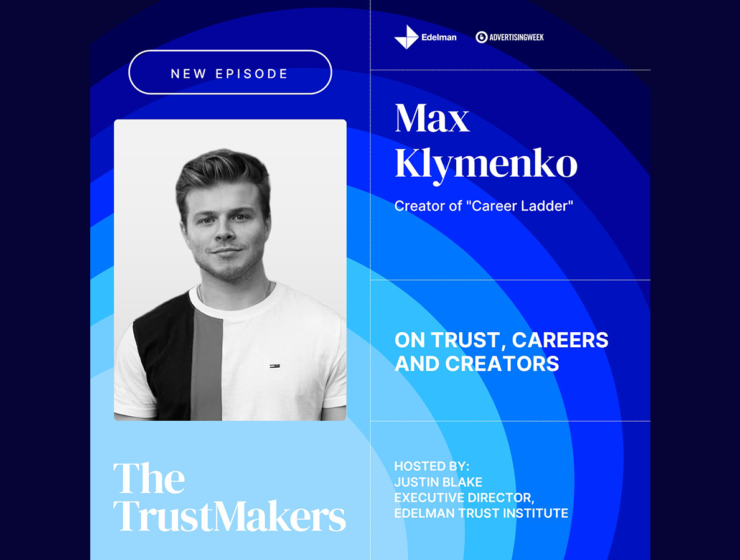
Max Klymenko, Creator of “Career Ladder,” joins Edelman Trust Institute Executive Director Justin Blake at the World Economic Forum in Davos to discuss how trust is formed in the creator economy.
CES 2026 reinforced a simple truth: the future of experiential marketing belongs to brands that combine intelligent technology with deeply human design.
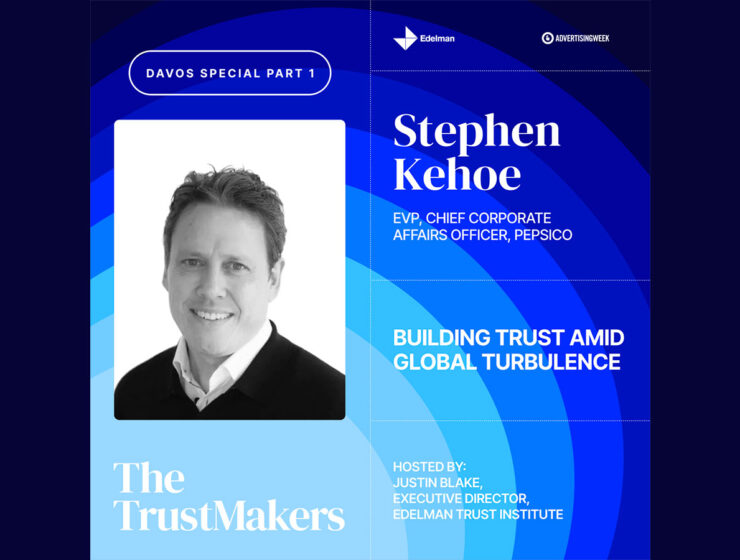
Stephen Kehoe, EVP and Chief Corporate Affairs Officer, PepsiCo, joins from the World Economic Forum in Davos for a conversation on trust, leadership, and global responsibility.

Agentic buying won’t change agency economics because it’s innovative. It will change them because, built on better data and tighter publisher connections, it delivers outcomes the old stack simply can’t.
The most critical step in prepping for an AI bubble is recognizing what the bubble is: neither a certainty nor a fantasy, but a nontrivial risk.
The successful CMO of 2026 treats culture as a field study. They understand customers as people navigating identity, community, and meaning.
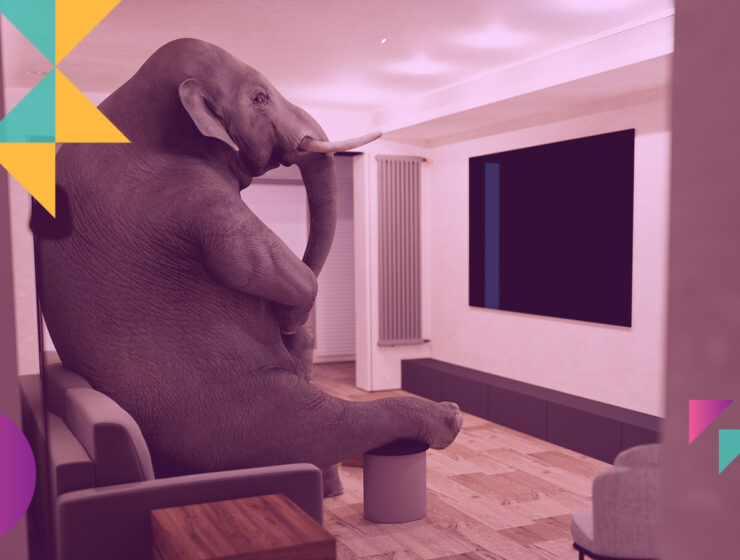
Steve Stretton, Executive Creative Director for global marketing activation partner, HH Global, explores shifting attitudes towards AI and a new opportunity for brands that need to promote AI capabilities

To explore where AI enhances branding and where it risks homogenising it, leaders have shared their perspectives on why brand identity still needs a human core.
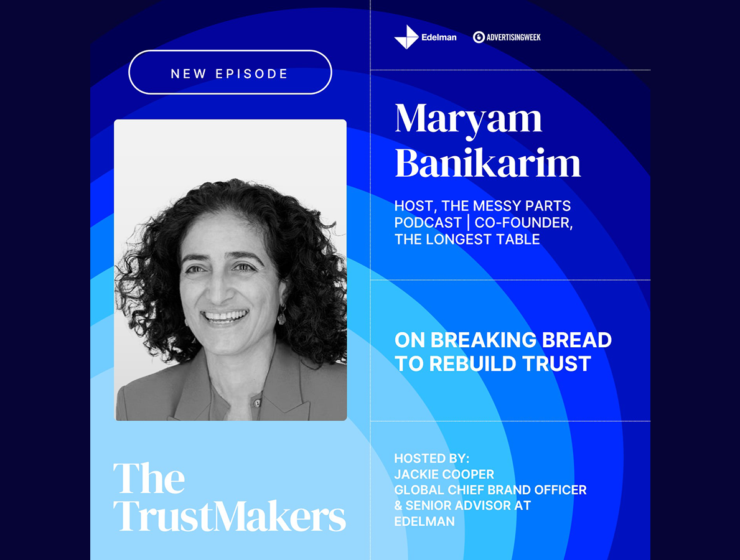
Emmy Award–winning storyteller, corporate CMO and The Longest Table movement co-founder Maryam Banikarim joins Edelman’s Jackie Cooper to discuss why trust is increasingly built at the hyperlocal level.
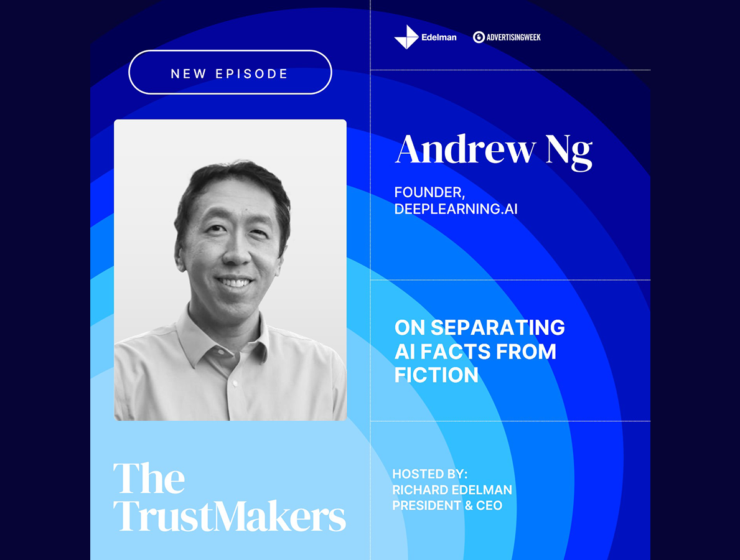
Andrew Ng, founder of Coursera and Deeplearning.AI, joins Edelman CEO Richard Edelman to discuss what it will take to build trust in artificial intelligence at scale.

What comes next is bigger than a new tactic; it’s a shift in how we plan, activate, optimize, and collaborate across the open web.

AI will shape the future of creativity, advertising, and media. But only if it’s built on a foundation that respects the people whose work makes it possible.

SEO has historically been often underfunded and overlooked. But today, both SEO and GEO are business critical.

The future of retail media hinges on a single question: Who wins the user?
Agentic AI is eating the world because it tells systems and processes what to do — across your entire stack.
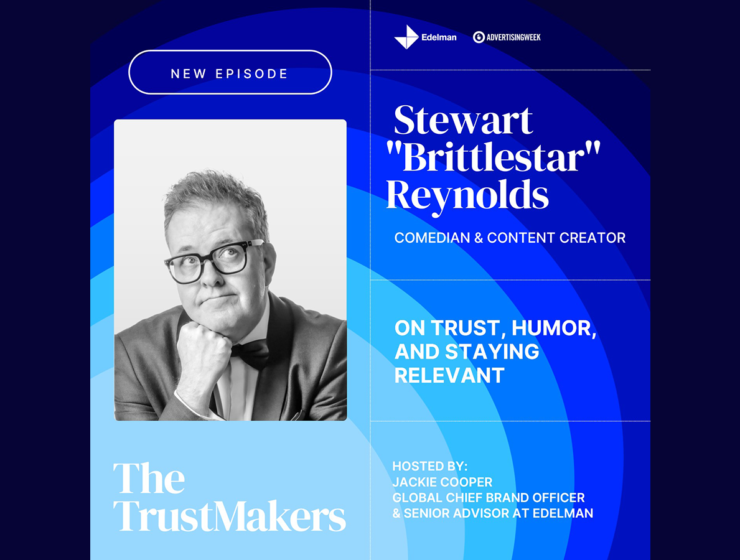
Digital creator Stewart Reynolds – aka “Brittlestar” – joins Edelman’s Jackie Cooper to explore how creators build trust in an era of constant reinvention.

The age of the “10 blue links” is ending. Here is how to measure your brand’s health when consumers stop searching and start asking.

Organizations that adapt early will gain an edge. Those that continue to optimize only for traditional search will find themselves increasingly invisible to the intelligent intermediaries shaping tomorrow’s information ecosystem.

As vehicles and mobility become more complex and shopper expectations rise, a new form of intelligent, conversational digital engagement is reshaping how consumers explore, understand, and choose their next vehicle.

Once everyone has AI, the real advantage for marketers will come from the data no one else has — both their own and their partners’

Privacy by Design as a Competitive Edge: Embedding privacy safeguards from the ground up—such as differential privacy mechanisms and zero-knowledge proofs—builds user loyalty.