




AI Transformation is Poised to Disrupt the Agency Model – How Agencies Can Come Out on Top

By David Levy is the chief executive officer of OpenAP
Last year, one of the most consequential AI statements in advertising didn’t come from a press release. It came from a casual podcast comment by Mark Zuckerberg.
Meta’s AI, he said, is now powerful enough that an advertiser could simply hand over their bank account, state their goals, and the platform will do the rest. No creative. No audience.
For agencies, that’s not just provocative, it’s existential.
It suggests a future in which platforms offer a fully contained, end-to-end AI advertising solution that could displace many traditional agency functions. But the promise of “AI-in-a-box”–the natural next step for platforms to assert their dominance–isn’t the perfect solution that it’s pitched to marketers to be, in fact, it’s far from it.
The real trade off: convenience for control
What the walled gardens are promising is not a one-stop-shop for guaranteed advertising success. It’s a world with less data transparency, one where the advertiser hands over their data, budgets, and decisioning power to a closed system that can’t be inspected, validated, or independently optimized.
The long-term cost is steep: complete dependency on a black-box platform. Advertisers may gain quick results to satisfy a CFO but lose autonomy in the long run.
A different, but fragmented, world outside walled gardens
Outside the walled gardens, the model is very different: traditional media companies share data, and agencies can own the data they create. Even more, advertisers maintain the ability to validate audience and campaign performance independently.
The challenge is that this data can be highly fragmented. To get full value from it, agencies need a streamlined way to normalize and standardize all the campaign and audience data from different media partners, so it can fuel AI systems at scale.
And this is where the real AI transformation takes place.
AI for agencies–not against
Agencies that insist on consistent, transparent audience and campaign data, and use it to build and train their own AI models, will be the ones to drive outsized value for their clients. They will have the ability to fine-tune models, innovate in measurement, and maintain competitive independence from the platforms.
The good news is they don’t have to start from scratch: there are already solutions available, particularly in streaming, that let agencies control their data so they can accelerate AI innovation.
2026 is the turning point
If agencies embrace this moment to build AI systems grounded in transparent, standardized data, they will redefine their role in the ecosystem and reclaim strategic advantage.
If they don’t, the arms race may be over before it truly begins, and the balance of power will tilt decisively toward the walled gardens.
The future belongs to those who control and take ownership over their data. For agencies who embrace this in 2026, the future is bright.
You May Also Like

The Best Agency-Client Relationships Are Built in the Trenches
When was the last time your in-house team handed you a Don Draper holy $#!* moment?

Evolving Commerce Media: How Offsite Unlocks the Full Funnel
Commerce media spent the last decade proving one thing exceptionally well: onsite ads drive immediate conversions. But treating commerce media purely as a bottom-funnel sales tool leaves most of the customer journey untouched.
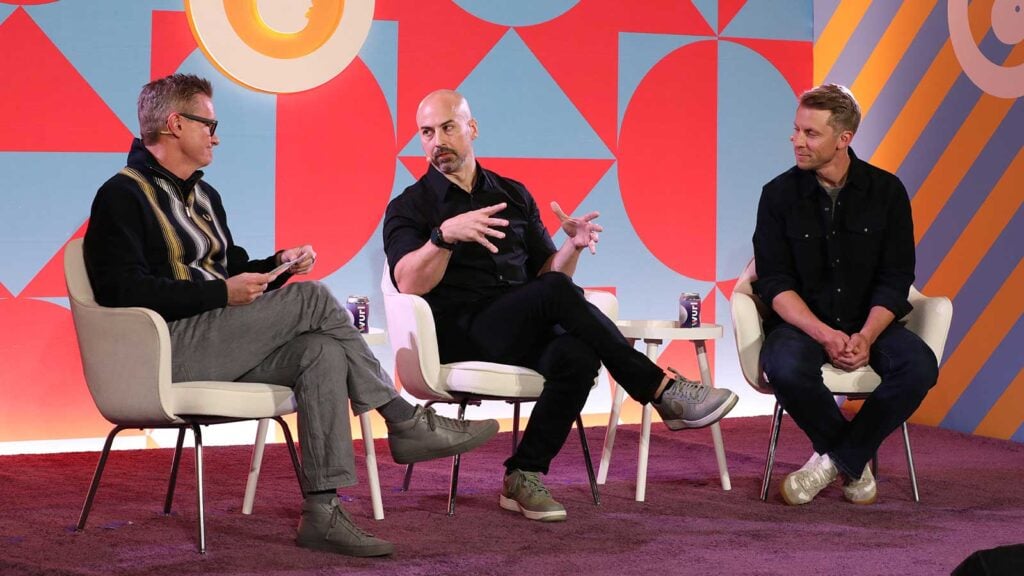
The Entertainment Revolution: Why Brands Need to Think Beyond the Screen
As gaming, streaming and social media reshape how audiences experience entertainment, marketers face a fundamental challenge: Learning to participate in culture rather than simply advertise alongside it.