




How Can Brands Cut Through in a “Saturated” Streaming Market?

By Alistair Fitch, Co-Founder, Digital Natives
Netflix lost 200,000 subscribers worldwide for the first time in more than a decade, in the first quarter of 2022, compared to the end of 2021 and its stock tumbled as a result by more than 24% in electronic trading after the closing of Wall Street on Tuesday.
The streaming giant explained that this drop was mainly linked to the difficulty of acquiring new subscribers in all regions of the world but a new Kantar study found that streaming subscriptions have been among the first expenses to be cut from household spending over the first three months of 2022.
In hindsight, it isn’t surprising that Netflix hasn’t fared well in the cost-of-living crisis. In the past, Netflix’s output generated cultural fame — Orange Is The New Black, Tiger King, The Crown and others.
Fame happens when people are aware of something and crucially, they talk about that something collectively. With many more streamers in the market, the audience attention has fragmented and the opportunities for fame are few and more fleeting. Brilliant programming like Tinder Swindler and Becoming Anna still generated some fame but to a less extent and for a far shorter timeframe. Consumers are quickly moving on to something else.
This big loss of subscribers is a very telling story for a company that has not stopped gaining subscribers for a whole decade, so much so that the Netflix boss confirmed adverts could be coming to streaming site. This move is proof that that their first mover advantage is beginning to wear off. As other big players join the race for attention, they will start to lose out against those with a deeper catalogue of content.
Netflix was and still remains, a cultural phenomenon — and smart brands have been utilising it for relevancy for years.
The next move from Netflix should surely be to open up advertising opportunities on the platform. But this comes with a challenge, especially as a 2019 study found that 57% of subscribers said they would immediately cancel Netflix if it ran ads.
With the innovative nature of the platform, I can only assume the inventory offered to brands would be interesting and the PR opportunities for those who take up this opportunity first would be great.
Streaming environments offer more opportunities to better target consumers with ad formats that move beyond the traditional commercial break.
Last year, WarnerMedia created a content studio to help brands connect with its intellectual property across platforms, specifically its streamer, HBO Max.
To cut through in a saturated streaming market, brands need to get their advertising creative to look and feel as native as possible to the viewer. If it looks and feels like a continuation of what they are binge-watching, it’s going to speak to them in their language and will be more likely to drive them to action. Using the levers of personalization and contextualization will always increase conversion.
Brands must focus on the relevancy of the platform for their audience, when thinking about how to use it and the incredible data they have to offer, for future media planning. Advertising on a platform that streams movies or TV shows is expensive. Before brands do that, they need to be certain that’s where their customers are.
Consumers might be watching your ad on a TV, but the beauty of streaming services is the ability they offer advertisers to get very granular in their media placements. Brands should have an extremely clear idea of their target audience in mind and then buy OTT spots that align with content their audience consumes.
You May Also Like
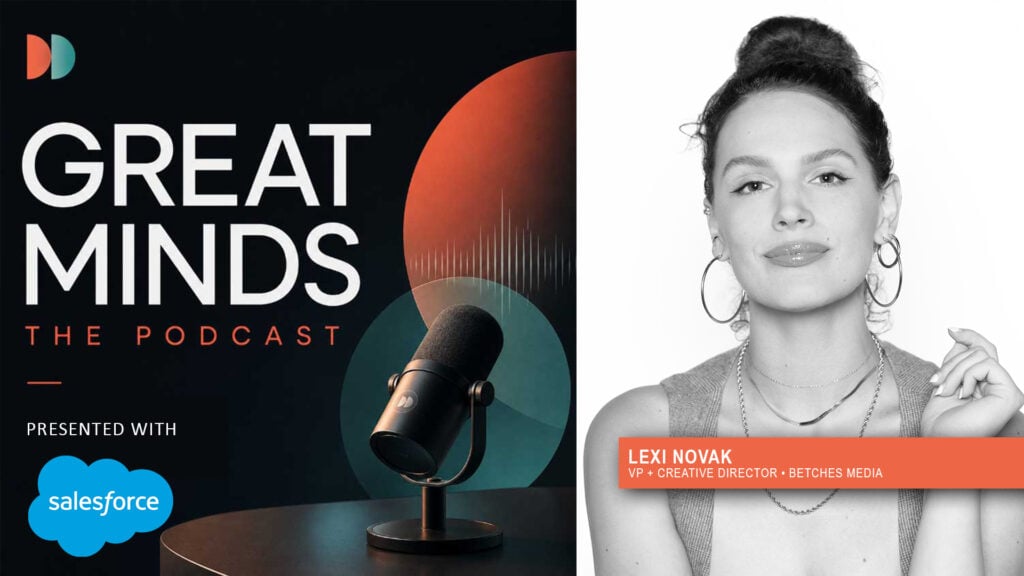
Lexi Novak of Betches Media on Why Audience Connection Beats Content Creation
What does it take to build a media brand that audiences genuinely connect with, and what can marketers learn from a company that has made humor, honesty, and cultural relevance its calling cards?

The Privacy Payoff: What 11,000 Consumers Want Marketers to Know
At Advertising Week New York 2026, Usercentrics’ Maureen Prado argued that clearer explanations and greater consumer control can help brands build the trust needed to sustain customer relationships.

The Best Agency-Client Relationships Are Built in the Trenches
When was the last time your in-house team handed you a Don Draper holy $#!* moment?