




How Can We Ensure Generative AI Doesn’t Become Another Race to the Bottom?

By Tom Wilks, Technical Director, at UNLIMITED Group
There is no denying there’s been a big acceptance shift when it comes to Generative AI, it has quickly moved from a novel concept to a must-have tool in the arsenal of forward-thinking brands.
A recent UK-wide CMO Barometer study provides some insight into the challenges facing businesses in adopting this technology. We know that Chief Marketing Officers (CMOs) are keen to increase the adoption of Generative AI particularly in content creation, a challenge that has long been an impediment in scaling marketing activities. However, with relatively few foundational models trained on vast amounts of similar text to predict the ‘correct’ next word to choose, how do we stop finding ourselves in a downward spiral of undifferentiated and subpar content?
This pattern isn’t new; we’ve seen it with other processes and technologies that promised to revolutionise the industry. The excitement of a new tool often gives way to the realisation of capability limitations, legal boundaries for use, and the complexities of integrating it into workflows. The challenge, then, isn’t just about adopting Generative AI, it’s about doing so thoughtfully and strategically to enhance rather than dilute creative output. All against the backdrop of a young technology field that is evolving rapidly, where the limits of the capabilities continue to be expanded and legal jurisdictions are playing catch up.
The solution starts with a strategic vision for how Generative AI can truly add value to a business. It’s not just about automating processes or reducing costs, it’s about enriching the content we produce and pushing the boundaries of innovation. Brand leaders are playing a crucial role in this process, understanding where to integrate Generative AI into their operations, ensuring it complements rather than replaces the human creativity, for example, copywriters with Claude, videographers with RunwayML or designers with Dall-E. These leaders are also in a key place to recognise where Generative AI can play a role in tasks adjacent to content creation such as research, quality assurance (i.e. content testing) and everyday tasks such notetaking.
Central to this effort is the recognition that while Generative AI can generate content at an unprecedented scale, it currently lacks the depth of understanding and emotional intelligence that humans bring to the creative process. Therefore, maintaining a strong human element in content creation, even as we leverage AI, is essential. This blend of human creativity with AI efficiency can produce truly unique and compelling content that resonates with audiences on a deeper level such as the ‘Future of Nature’ campaign by WWF in the UK.
Measuring the impact of Generative AI is crucial. It’s not enough to produce content en masse; we need to understand how this content influences consumer perceptions, behaviours, and ultimately, the bottom line. This means going beyond traditional metrics to evaluate the real effectiveness of our AI-enhanced marketing strategies. This could include engagement quality, brand sentiment analysis, content lifespan, growth in target segments and content efficiency to compare the cost of AI content creation vs engagement or conversions.
The path to successfully integrating Generative AI into marketing is nuanced and requires a careful balance. By keeping human creativity at the core of our strategies and using Generative AI as a tool to augment rather than replace it, we can avoid the pitfalls of a “race to the bottom” in content quality. The goal is not just to keep up with technological trends but to use them as a springboard to elevate our clients’ brands to new heights of creativity and engagement.
Ultimately, we’re redefining what’s possible in marketing, reshaping the landscape of consumer engagement and brand storytelling in ways previously unimaginable.
You May Also Like
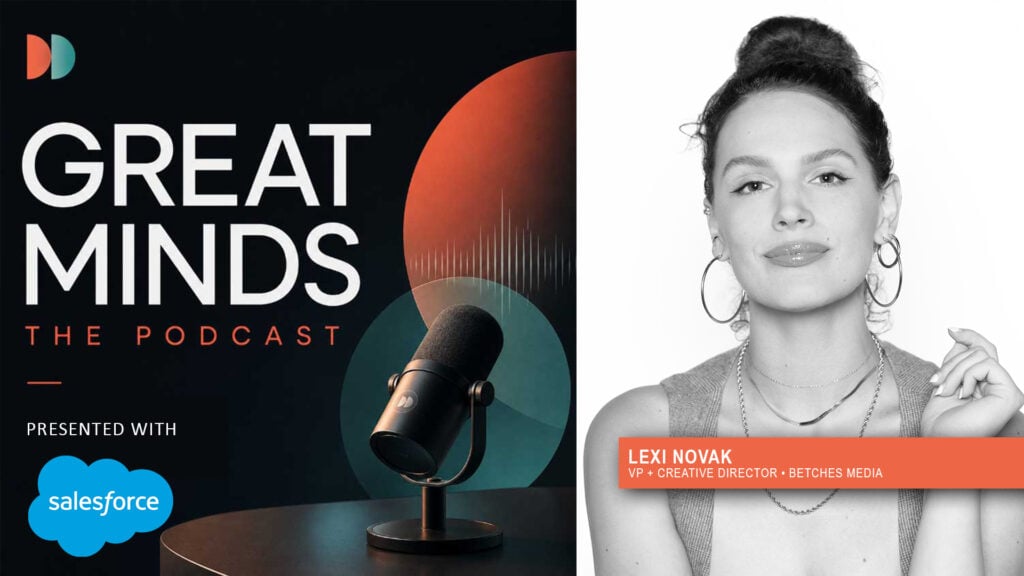
Lexi Novak of Betches Media on Why Audience Connection Beats Content Creation
What does it take to build a media brand that audiences genuinely connect with, and what can marketers learn from a company that has made humor, honesty, and cultural relevance its calling cards?
The Privacy Payoff: What 11,000 Consumers Want Marketers to Know
At Advertising Week New York 2026, Usercentrics’ Maureen Prado argued that clearer explanations and greater consumer control can help brands build the trust needed to sustain customer relationships.

The Best Agency-Client Relationships Are Built in the Trenches
When was the last time your in-house team handed you a Don Draper holy $#!* moment?