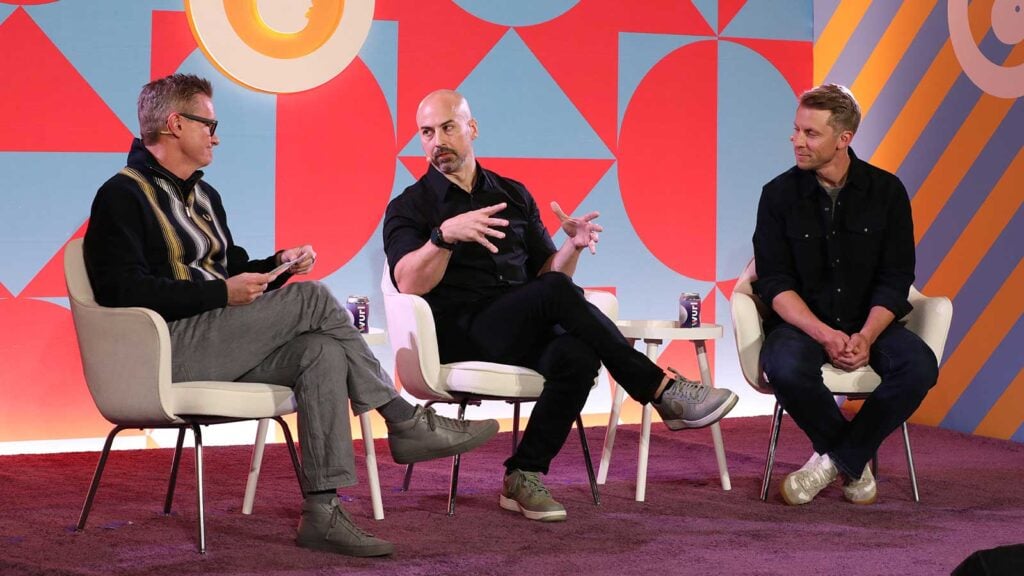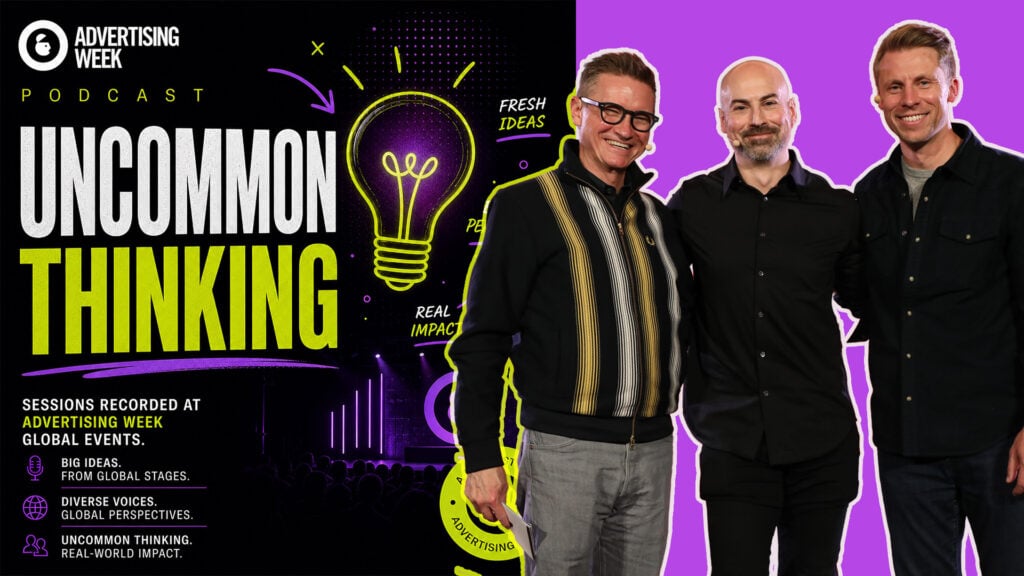





The Business of Funny: Smosh’s 20-Year Evolution in Digital Media
Creator-led with a loyal global audience, Smosh’s ability to expand to new platforms, meet its audience where it is, foster the new generation of comedic talent, and tap into cultural trends has made it one of the most enduring names in digital entertainment.
Smosh CEO Alessandra Catanese chats about 20 yrs of creating brand growth in the creator economy, media, and entertainment; what brands and marketers can learn from a fan-first content strategy; and how Smosh continues to turn internet comedy into a scalable business.
Smosh is the internet’s largest sketch comedy brand and a pioneer in creator-first entertainment, redefining comedy for the digital generation. Founded in 2005 by viral comedy pioneers Anthony Padilla and Ian Hecox, Smosh was one of the first creators on YouTube and helped shape it into what it is today. Now an independent media and production company, Smosh continues to push the boundaries of digital-first comedy. With over 75M social media followers and 18B YouTube views, Smosh is a pop culture touchstone, producing a mix of scripted and unscripted content across its flagship channels – Smosh, Smosh Pit, and Smosh Games – as well as podcasts, livestreams, and interactive live event experiences. In addition, Smosh has released two major studio films and became the first digital creators to have Madame Tussauds wax figures.
You May Also Like

The Privacy Payoff: What 11,000 Consumers Want Marketers to Know
At Advertising Week New York 2026, Usercentrics’ Maureen Prado argued that clearer explanations and greater consumer control can help brands build the trust needed to sustain customer relationships.

The Best Agency-Client Relationships Are Built in the Trenches
When was the last time your in-house team handed you a Don Draper holy $#!* moment?

Evolving Commerce Media: How Offsite Unlocks the Full Funnel
Commerce media spent the last decade proving one thing exceptionally well: onsite ads drive immediate conversions. But treating commerce media purely as a bottom-funnel sales tool leaves most of the customer journey untouched.