




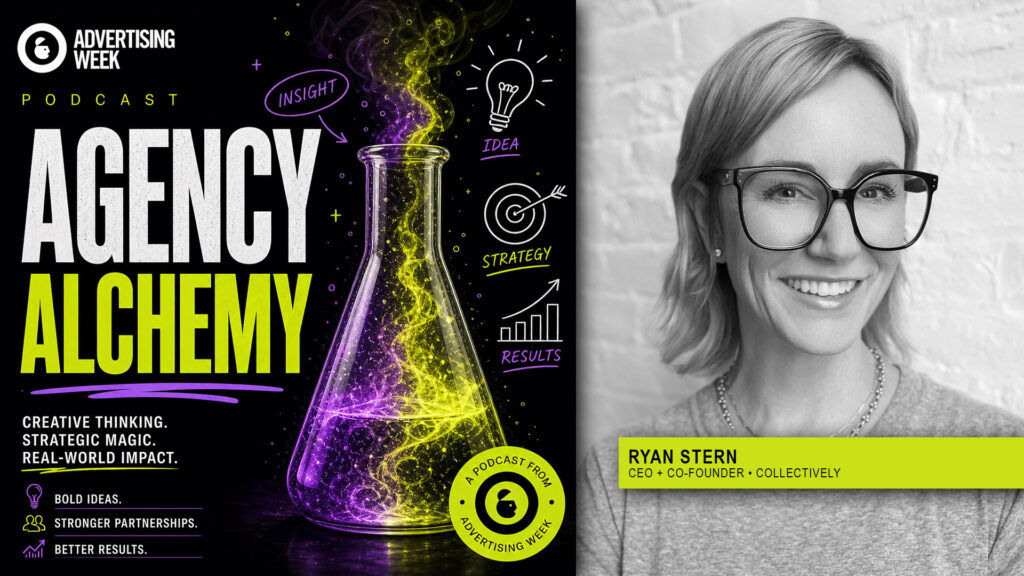
Ryan Stern, CEO and Co-Founder of Collectively, joins us to discuss how creator marketing evolved from an experimental channel into a core business function. Ryan explains why brands are increasingly adopting creator agency of record models, how marketing teams must break down traditional silos, and why managing creator relationships requires a fundamentally different approach than managing media channels.
The conversation explores the challenge of scaling creator programs without sacrificing authenticity, why brands should pay closer attention to comment sections than traditional engagement metrics, and how creator insights are influencing everything from campaign development to product innovation.
Ryan also shares lessons from more than a decade helping brands navigate the creator economy, discusses the role of AI in creator workflows, and explains why the future belongs to brands that prioritize consistency over control while allowing creators to bring their own voice to the relationship.
5 Key Takeaways
1. Creator marketing has moved from a channel to a business function.
Brands are no longer treating creators as an add-on to campaigns. Increasingly, creator relationships influence communications, media, commerce, product development, and customer engagement strategies. As a result, many organizations are creating dedicated creator-focused roles and breaking down internal silos to manage creator partnerships more effectively.
2. Scaling creator programs requires systems, not automation alone.
The biggest challenge in creator marketing is maintaining authenticity while operating at scale. Successful programs combine technology, processes, and relationship management to ensure creators still feel like partners rather than entries in a database. The human relationship remains the foundation of effective creator marketing.
3. Fandom is a more valuable metric than reach.
Traditional metrics such as impressions, reach, and even engagement rates only tell part of the story. The real signal often lives in audience sentiment. Comment sections reveal whether trust is being built, whether perceptions are changing, and whether audiences are genuinely responding to a creator’s endorsement. Brands should pay closer attention to conversation quality, not just audience size.
4. The best creator programs start with culture, not campaigns.
Rather than building a campaign and asking creators to amplify it, leading brands are increasingly identifying creator-led behaviors, trends, and audience passions first. Those insights can then inform larger marketing initiatives, product launches, and brand experiences. The flow of influence is becoming bottom-up rather than top-down.
5. Consistency matters more than control.
As brands show up across dozens of communities, platforms, creators, and AI-driven discovery systems, rigid message control becomes less practical. The brands succeeding today establish clear values and consistent brand principles while allowing creators and communities to interpret those ideas in ways that feel authentic to their audiences.
Listen to all episodes on your favorite podcast platform:



Want to Learn More? Check out this article:

From Reach to Fandom: Why Creator Marketing Is Becoming Marketing