

5 Lessons I Learned From Launching An Agency During Covid

By Pete Meyers is the President, US, BAM Strategy
In January of 2020, I launched the U.S. office of BAM Strategy, a 25-year-old independent digital agency headquartered in Montreal. It was, without question, one of the most exciting moments of my career and a milestone for which I’d spent the better part of a year prepping and planning.
The timing was perfect. BAM was in high-growth mode and had enormous momentum, ready and eager to expand into the U.S. We had a “who’s who” roster of clients including Pepsi, P&G, Reckitt, 3M, and many others. Every member of the staff I met was absurdly nice, smart, and talented. Plus, who doesn’t love Montreal?
Once January arrived, we hung out the proverbial new agency shingle at our office in the Brooklyn Navy Yard and started executing our plan. We quickly picked up several new projects and were invited into upcoming RFPs. Our agency’s integrated Media, Creative & CRM model was resonating. The excitement and ambition I felt were indescribable.
And then Tom Hanks got Covid.
As NYC rapidly became an early epicenter of the pandemic, my eager desire for agency growth was quickly replaced by the anxious urgency to protect my family. School went virtual. Sirens wailed. We wore latex gloves while buying groceries. 7 pm applause rang out of our apartment windows and doors for first responders.
The idea of picking up the phone to pitch our agency’s services felt increasingly tone-deaf for the circumstances. Mentors and exceptionally talented former colleagues were being laid off in droves. Close friends were moving out of the city. And nobody knew when things would go back to “normal.”
We still don’t.
Yet here we are, 18 months later. We feel very fortunate for the growth we’ve experienced since our launch, but the path to the present was nothing like what we imagined. Along the way, a handful of recurring themes became increasingly pronounced and I’m sure will continue to be felt on the road ahead:
- Relationships mean everything. Especially during “these uncertain times.” Meaningful, authentic industry relationships were the seeds of our growth. The majority of our initial new clients came via referrals from former colleagues and past clients, following informal Zoom discussions intended to mutually check in on one another. Being genuinely helpful and a resource to others with no ulterior motive is a remarkably effective way to win business.
- Office optics matter. Until there’s no office.Switching from in-office pitches to virtual presentations was an unexpectedly positive equalizer while competing against much larger agencies, particularly when your new office was in a WeWork. Our prospective new clients were able to focus more fully on how our smart thinking would impact their business, rather than our shared conference rooms and DIY catering.
- The geographically distributed team model is the “new open plan.”Covid’s rapid closure of physical offices and increased dependence on video communication created unprecedented flexibility in the location of our new agency hires as we expanded. While our U.S. hub is based in New York City, our U.S. staff is located everywhere: Austin, LA, Florida, New Jersey and, yes, New York. Never before have we had so much latitude to prioritize finding the best talent that connects with our agency’s culture and values, without geographic constraints.
- You don’t create your company culture. You earn it. Onboarding new employees during Covid has been tricky for any agency and establishing a meaningful “culture” for our new team – many of whom have still not met their peers in real life – required much more than virtual happy hours. For us, we view culture as the culmination of many intangibles rooted in a supportive, rewarding environment where developing a strong emotional IQ and prioritizing self-care is every bit as important as deepening our technical acumen.
- Celebrate the wins. Every single one.
Perhaps the biggest lesson since our launch is to always embrace the moment and never take even the most modest wins or successes for granted. A client presentation went well. Congratulate the team! Someone just get certified in Salesforce or The Trade Desk? Surprise them with Uber Eats for lunch! Did somebody say “birthday?” Sing to them like Elvis! Don’t hold back on displaying how much you care and encourage others to always do the same. After all, you never know how things can change.
For me, this experience has opened my eyes to the world around me. It has further proven a deep love for my city that I hadn’t fully acknowledged before. It has emphasized that talent doesn’t only exist within the state or country lines. And, most importantly, it taught me (and I’m sure many others) to always offer help, even in times when you have nothing to gain in return. Opening a new office in a new country during Covid was a risk, but when the opportunity is big it pays to go for it. Risks can not only be managed, but they can also be leveraged to help you tackle problems in new ways, and help you find the courage you didn’t know you had.
Pete Meyers is the President, US, BAM Strategy, a 25-year-old independent digital agency headquartered in Montreal, Canada.
You May Also Like
The Power of the Transaction
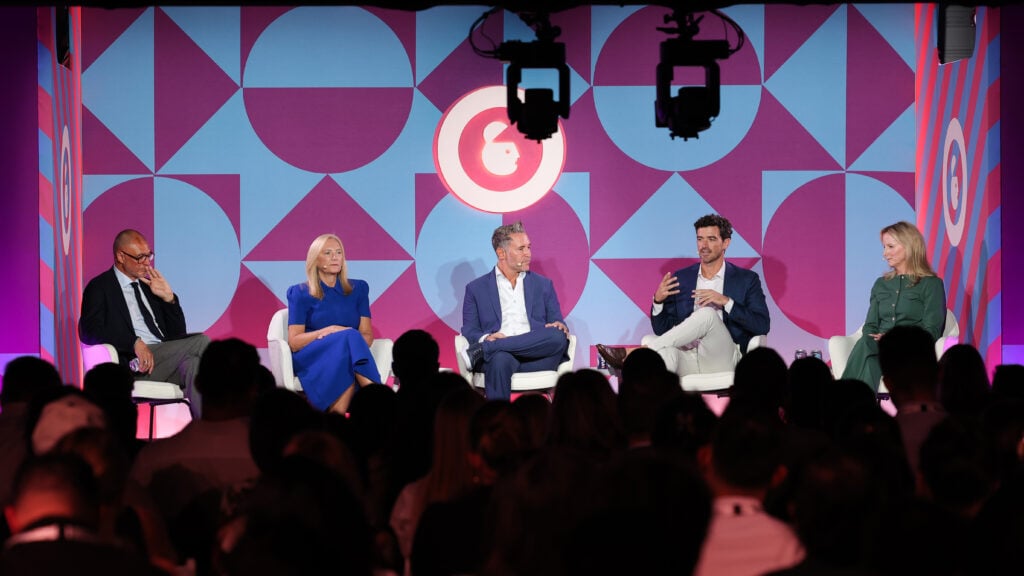
A click can suggest interest, but a transaction shows where someone chose to spend. In our Advertising Week New York session, “The Power of the Transaction,” the leaders behind Citi Commerce Media discussed how purchasing data can help brands identify audiences, deliver relevant offers and assess what happens after an advertisement.

How to Find Authentic Experts in a World of Ai-Generated Content
As AI-generated content floods the internet, how do we know who’s actually an expert anymore? Why businesses need better ways to distinguish genuine human expertise from AI-generated noise.

Brands Can Scale Creator Content Without Sacrificing Authenticity
With platforms and technology providers promising easier discovery, faster campaign setup, and more efficient distribution, creator marketing is starting to look more like the rest of digital advertising. For brands managing a growing number of creator relationships and assets, the appeal is obvious. But it also raises a reasonable concern.