




5 Principles for a Truly Connected Fan Experience in 2026
By Benjamin “BDS” Stobart, Verticurl
The fan economy is booming, but what fans value has fundamentally changed. They are spending more than ever—not on things, but on experiences that feel meaningful, personal, and connected to identity. Sports sits at the center of this shift.
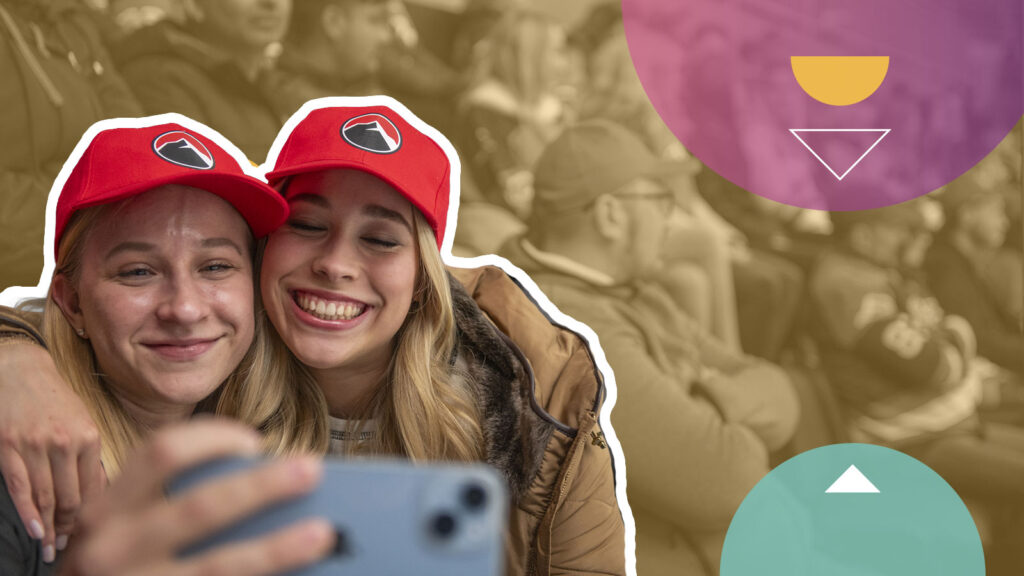
Today’s fans don’t simply watch games. They expect year-round engagement, intelligent personalization, and seamless movement between digital, in-venue, and community-driven experiences. Whether they’re in a stadium of 70,000 or streaming from 7,000 miles away, the modern fan wants to feel seen, understood, and part of something bigger.
Yet many leagues and teams still struggle to deliver this. Data is fragmented. Departments operate in silos. Journeys feel disconnected, inconsistent, or transactional. The result: missed revenue and missed opportunities to build deeper loyalty.
To thrive in this new era, organizations must move beyond traditional fan engagement and design connected fan ecosystems—experiences powered by unified data, predictive intelligence, and adaptive storytelling.
Here are five principles that can unlock that transformation.
#1 Build a Unified Fan Identity
Most franchises and leagues are rich in data but poor in connection.
Ticketing, streaming, merch, concessions, email, social, and partner data often live in separate systems—each showing a sliver of who the fan is, but never the whole picture.
A connected experience starts with building a unified fan identity: behavioral signals, affinities, purchase patterns, sentiment, and engagement history stitched together into a living, dynamic profile.You don’t need to unify everything at once. Begin with your most valuable, accessible data sets—often ticketing and digital engagement—to prove immediate value. The objective isn’t just to know what a fan does, but why they do it, and how that shapes their journey.
#2 Use AI to Personalise Every Moment at Scale
With a unified identity in place, AI becomes the engine that turns insight into action.
Consider a major global sports league with a fan who subscribes to its premium digital platform but rarely explores beyond highlights. An AI model—trained on patterns across millions of interactions—predicts a high likelihood of churn.
Instead of sending generic nudges, the system automatically generates a personalized engagement sequence based on the fan’s team affinity, recent behaviors, and preferred content types. It might surface tactical breakdowns, behind-the-scenes clips, or community discussion prompts—each created or curated specifically for that fan’s interests.
This isn’t guesswork. It’s prediction-led personalisation that increases retention, deepens value, and scales effortlessly across millions of fans.
#3 Design an Always-On, Immersive Fan Journey
Fan engagement no longer centers on game day.
It spans:
- pre-game hype,
- digital content drops,
- social moments,
- fantasy and betting interactions,
- commerce touchpoints,
- in-venue offers,
- post-game community conversations,
- and off-season storytelling.
To deliver a seamless experience across this ecosystem, organisations must identify friction points, define behavioral triggers, and orchestrate journeys that adapt in real time.
For the fan, it should feel effortless: relevant notifications before the event, dynamic offers in-venue, personalized recaps afterward, and community engagement that keeps the relationship alive long after the final whistle.
#4 Monetise Through Deeper, Smarter Engagement
An engaged fan is not just more loyal—they are exponentially more valuable.
With richer understanding and prediction, organisations can unlock new and diversified revenue models:
- micro-transactions and digital goods
- personalised ticketing and upgrade pathways
- premium content bundles
- dynamic sponsorship placements
- loyalty extensions
- context-aware offers across platforms
This isn’t about pushing more products. It’s about aligning offers with identity and intent, ensuring that every moment of engagement can translate into meaningful commercial impact.
#5 Turn Fans Into Advocates and Community Builders
The most powerful form of marketing remains the fan’s voice.
When you create emotional, personalised, two-way relationships, you convert passive supporters into active advocates. These advocates drive conversations, galvanise micro-communities, and extend the reach of the brand organically. Imagine a scenario where, after a tough loss, a team sends a personalized prompt to fans who attended: “We felt that one too. What was your biggest moment of the night?”
This transforms disappointment into connection. It builds community. And it reinforces that the organisation listens—and cares.
Advocacy is no longer a by-product. It’s a designed outcome of a deeply connected fan experience.
The Future of Fan Experience Is Connected, Intelligent, and Human
Fans are no longer satisfied with watching the game. They want to participate in it—emotionally, digitally, socially, and physically.
Delivering this requires a shift: from siloed operations to unified fan identity, from generic campaigns to predictive and personalised storytelling, from static journeys to dynamic, AI-orchestrated ecosystems.
The organizations that embrace this transformation will be the ones that grow global fandom, unlock new revenue streams, and build the next generation of lifelong supporters.
The future belongs to franchises that treat fandom not as a moment, but as a continuously evolving relationship—powered by intelligence, scaled by technology, and grounded in human emotion.
About the Author
Benjamin “BDS” Stobart is VP, for Strategy, Clients & Growth across the Americas at Verticurl (https://www.verticurl.com), where he leads regional strategy and oversees the agency’s client relationships across technology, sports, education, and enterprise services. With senior leadership experience on both the client and agency sides, Ben brings a pragmatic, commercially minded approach to transformation, Martech, and AI-driven customer experience. He’s known for unifying cross-agency teams, shaping clear strategic direction, and delivering solutions that create real, measurable impact for Fortune 500 brands.
You May Also Like
More Than the Game: Building Brand Connections Across Sports Culture
On the panel presented by Paramount Advertising, Mary Kate Callen, SVP, Global Ad Marketing & Intelligence at Paramount Advertising, sits down with Neil Greskiewicz, VP, Sales, Paramount Advertising, Dayo Harewood, SVP, Creative, Brand Studio, Paramount Media Labs, and Amanda Evans, Head of Brand, Insights & Partnerships, Wayfair, to discuss Wayfair’s partnership with the NFL on CBS.
DOOH’s Next Frontier: Dynamic Negotiation and the Future of Premium Inventory
Digital Out-of-Home (DOOH) inventory has become increasingly sophisticated. Advertisers can now buy screens based on location, audience, time of day, context, share of voice, and rich data signals. Yet the mechanisms used to buy that inventory have remained comparatively rigid.

America’s Most Unlikely Life Coach is I Can’t Believe It’s Not Butter’s New Mascot
The face of I Can’t Believe It’s Not Butter! may seem new to consumers, but few may realize just how long he’s been a fixture in refrigerators everywhere.