





BRANDS + MARKETERS

-

Brands Are Throwing Away Their Best Creator Marketing the Day a Campaign Ends
The audience relationships, content and customer insight a campaign creates should outlast it. Here are five lessons from Advertising Week New York on what brands should build between campaigns. -
Amazon Ad Case Exposes the Post-Click Blind Spot
On 31 August, the US Federal Trade Commission and a bipartisan group of 22 states sued Amazon, alleging that it rigged the auctions behind its Sponsored Products ads. -

Your Best Black Friday Ad Might Be the One Your Brand Team Hates
Every year as Black Friday approaches, brands start looking more closely at the creative they plan to put into the market.
Recent Articles
-
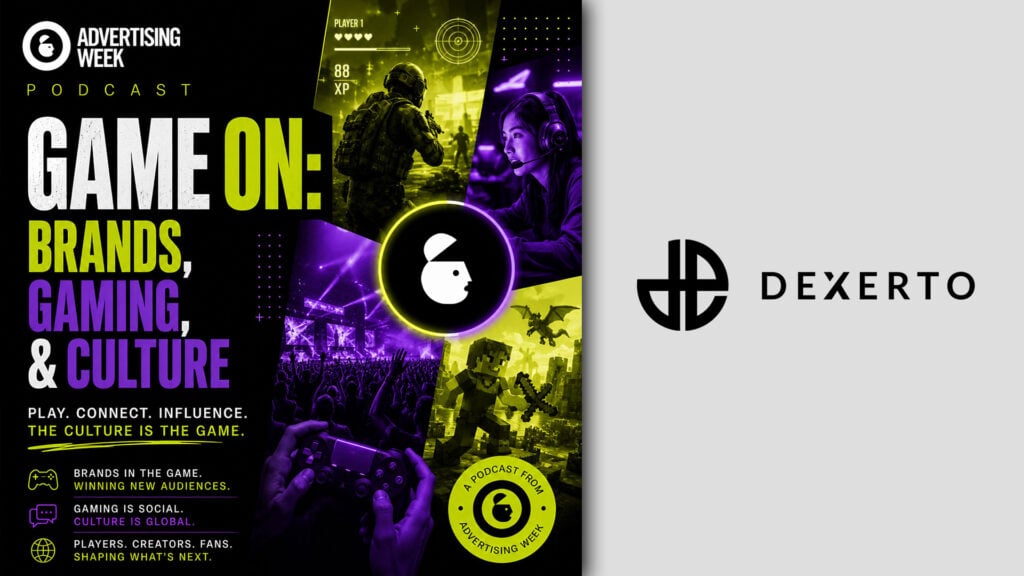
Rethinking Gaming Marketing, Featuring Mike Murphy O’Reilly, Chief Revenue Officer of Dexerto
-
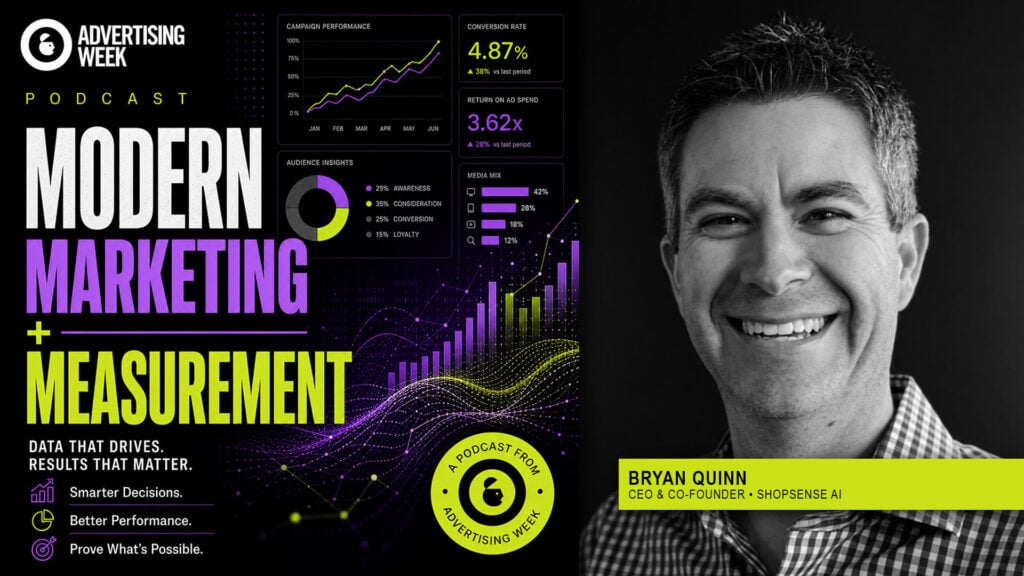
Buying the Outfit Shouldn’t Take Six Weeks, Featuring Bryan Quinn, Shopsense AI
-
An Outfit, a Netflix Connection, and Six Weeks Later
-
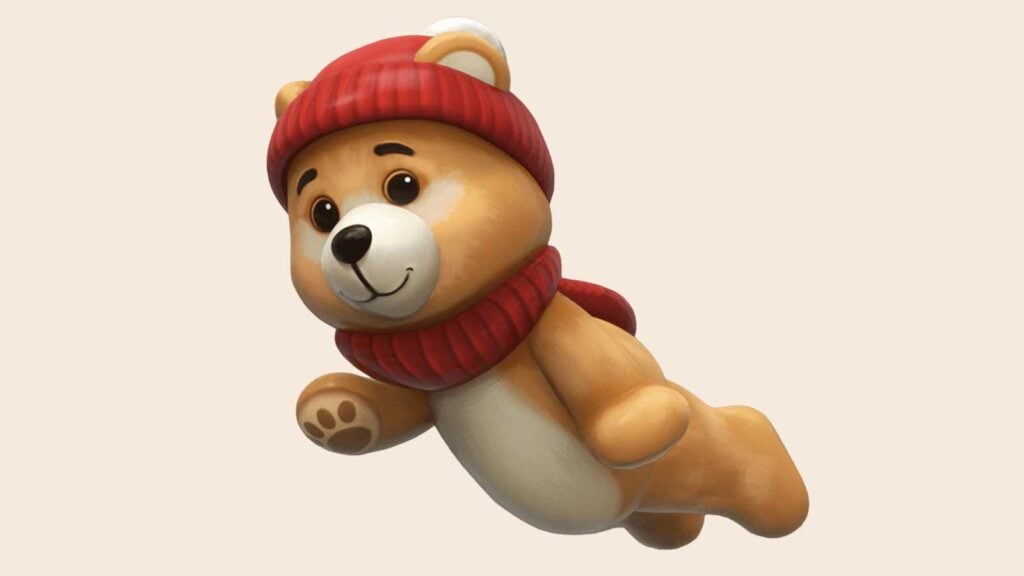
Meet Billie Brightpaw, the New Macy’s Holiday Mascot
-
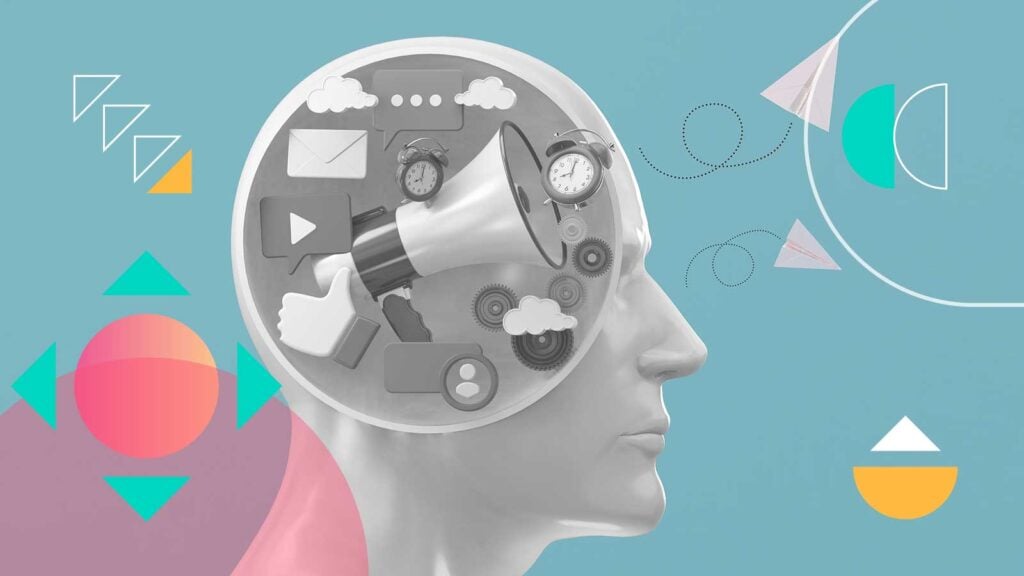
Brands Are Throwing Away Their Best Creator Marketing the Day a Campaign Ends
AW SHORTS – BRANDS + MARKETERS
-

Design Is Britain’s Unsung Hero. It’s Time We Said So.
The UK design economy is worth £136.7bn and growing almost twice as fast as the wider economy. So why are we still so bad at recognising its value? -

The 90-Day Contract: What B2B Marketing Leaders and CEOs Owe Each Other
Something ominous is happening in marketing right now, and no, it’s not AI. -

AW Playmaker Agency Award: WPP Media Sports & Entertainment
As part of Advertising Week New York’s AWPlaymaker Awards series, we caught up with the Sports and Entertainment team at WPP Media to explore how creators are redefining fan engagement, why authenticity remains essential to successful brand partnerships, and how marketers can measure cultural impact beyond traditional engagement metrics. -

The Localization Trap: Why Global Brands Fail When They Treat America as One Market
The bigger mistake is assuming that America is a single, culturally uniform market. It is not. -

The Best Agency-Client Relationships Are Built in the Trenches
When was the last time your in-house team handed you a Don Draper holy $#!* moment? -

Traditional Attribution and Promo Codes Share the Same Blind Spot
Traditional attribution and promo codes share the same blind spot. -
AW Playmaker Award: EA’s Troy Smith
As part of the AWPlaymaker Awards, AW360 spoke with Troy Smith, North American Athlete Marketing Lead at EA, about the evolving role of athletes as creators. -

Gen Z’s Problem With AI Marketing Isn’t What Marketers Think
Marketers are moving quickly with AI, but I’m not sure enough are asking what consumers think until after the work is already done. -

Turning Inspiration Into Action: How Three Executives Put Kindle Scribe to Work After Advertising Week
As the series concludes, the Kindle Scribe’s role extends from recording the experience to supporting the review afterward. The executives’ routines give that process a concrete shape: revisit the notes, identify the next steps and keep the conversations moving. -

Cutting Through The Noise of Fashion Week
Fashion Week is no longer what happens on the runway, brands inside and outside the agenda are finding ways to get involved. -

DOOH’s Next Frontier: Dynamic Negotiation and the Future of Premium Inventory
Digital Out-of-Home (DOOH) inventory has become increasingly sophisticated. Advertisers can now buy screens based on location, audience, time of day, context, share of voice, and rich data signals. Yet the mechanisms used to buy that inventory have remained comparatively rigid. -
AW Playmaker Award: Molly Battin, CMO of the Year
For Molly Battin, Senior Vice President and Chief Marketing Officer at The Home Depot and CMO of the Year at the Advertising Week Playmaker Awards, the most powerful brand partnerships go far beyond logos and celebrity endorsements.
Recent Articles
-
Rethinking Gaming Marketing, Featuring Mike Murphy O’Reilly, Chief Revenue Officer of Dexerto
-
Buying the Outfit Shouldn’t Take Six Weeks, Featuring Bryan Quinn, Shopsense AI
-
An Outfit, a Netflix Connection, and Six Weeks Later
-
Meet Billie Brightpaw, the New Macy’s Holiday Mascot
-
Brands Are Throwing Away Their Best Creator Marketing the Day a Campaign Ends