Ben Burman, Experiential Director at ZEAL, on why early commitment isn’t admin, it’s the difference between a brand that “shows up” and a brand that becomes part of culture.
It may only be January, but anyone working in experiential knows festival season has already begun. Not literally, we’re all still winter coats, but strategically. This is the moment where the brands who’ll make the biggest cultural dent next summer are already in motion: having the right conversations, locking in the right sites and giving their ideas the breathing space they need to become something special.
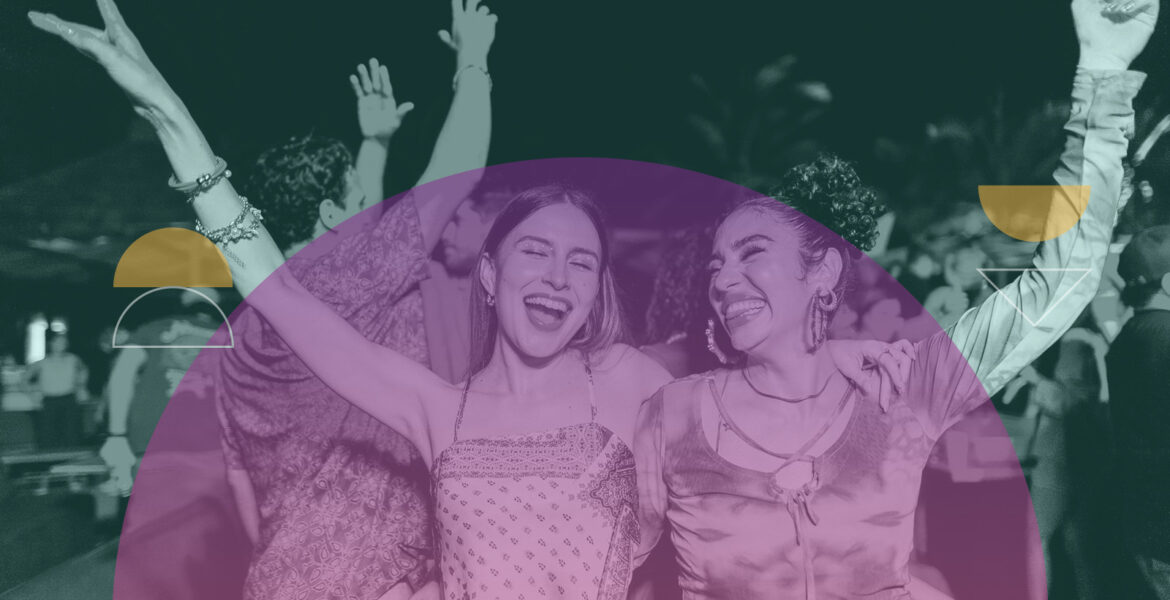
And that’s the real point. Early planning isn’t about box-ticking. It’s about ambition. There’s been a big shift in what audiences expect from festivals, especially over the last couple of years. People aren’t chasing the biggest, loudest installations anymore. They want intimacy, texture, discovery. They want things that feel crafted rather than churned out. If your activation looks like it could belong to three different brands, you’ve already lost.
There’s a real shift in what people value at festivals. It’s not about size anymore; it’s about soul. The rise of micro-experiences is proof. Look at places like We Out Here, Wilderness or Lost Village. They’re thriving because they focus on the small-scale magic – the tucked-away stages, the sensory details, the weird little spaces you stumble into at 2am. Those moments feel crafted, not constructed. And it shows in the numbers too: a 2024 YPulse study found 67 percent of Gen Z prefer “immersive, unique experiences” over large-scale spectacles, and they’re far more loyal to brands that feel embedded, not overbearing. Bigger for the sake of it doesn’t land, especially with younger audiences who want brands to stand for something, not just take up space.
We’re also watching the line between IRL and online evaporate. A festival activation is no longer a few days in a field. It’s a content engine. It’s the place your influencers shoot for weeks. It’s the reason you launch a product when you do. It’s the hook for PR and the thing the retail team uses to charm buyers. When you treat festivals like a standalone, you shrink their value. When you design them as part of a wider cultural ecosystem, the impact multiplies.
And let’s be honest: audiences can tell instantly whether you’re “dropping in” or actually belong there. Younger festival-goers especially. They’ve grown up with collabs, craft culture, micro-events, backstage creators and beautifully considered small moments. They know when something has been phoned in. If you turn up with a tent and a logo, you’re background noise.
That’s why long-term thinking matters. It’s how we approached Suntory’s -196, which has quietly become one of the most interesting youth culture brand launches in the UK. The goal wasn’t to “do festivals”. It was to earn its place in that world. By committing early, we had the space to build the Konbini-196: a Japanese-inspired, multisensory brand world with freeze-crush tech, a walkway people queued to film, a soundtrack chosen with obsessive care and, in year two, a full -196 multi-festival tour. It only worked because we weren’t designing around limits. We were designing around possibility.
And the commercial payoff was real. More buzz. More cultural credibility. Better content. Better retail conversations. Experiential driving distribution – something marketers are finally starting to quantify properly.
This is the bit many brands overlook. Early commitment is a creative decision, not an operational one. It lets you be more intentional in how you show up, more selective about where you place yourselves and more confident in the partners you collaborate with. It turns a short-lived moment into something audiences talk about afterwards.
With budgets being committed and launch plans already locked, brands are deciding right now where they want to show up culturally this year. The ones acting early will shape summer. The rest will be buying their way in late – and paying more for less impact.
Festival season isn’t a date in the diary. It’s a mindset. And it starts long before the fields fill up.