By Kate Watts, CEO, Fifty Thousand Feet
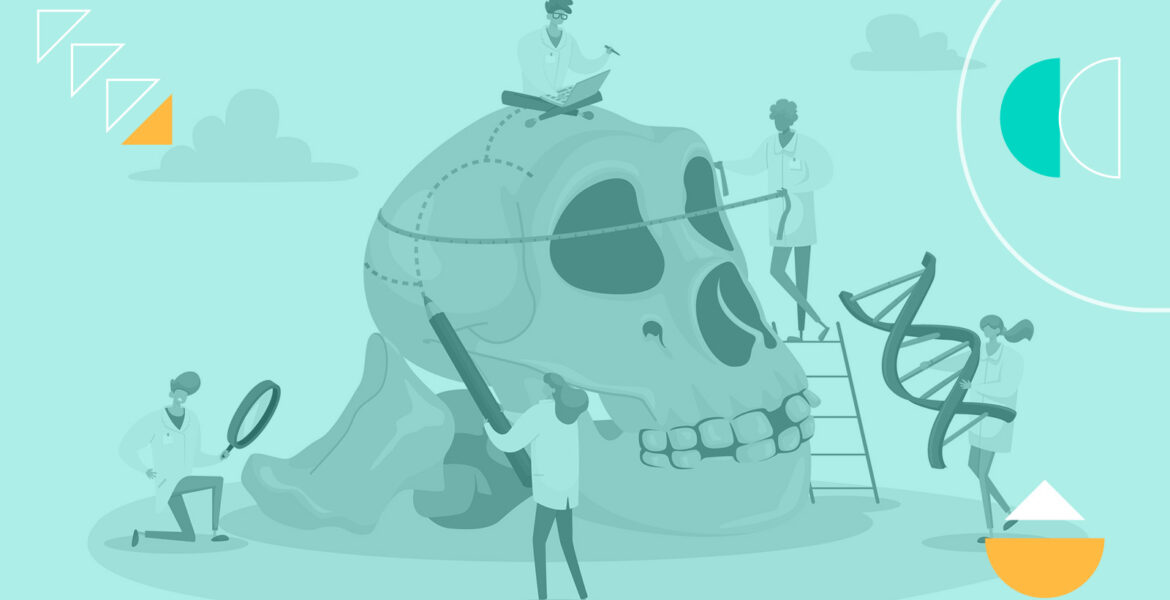
The role of the CMO is undergoing a reset. AI has altered how people relate to technology, which forces CMOs to rethink how brands relate to people. Successful CMOs need to understand people more deeply than ever. They need to think like anthropologists, studying the emotional, cultural, and behavioral forces that shape how people interpret the world and how they decide what to trust.
And it’s not all about AI. The ground beneath brands is shifting. Culture is fragmenting into countless micro-communities. Expectations about authenticity are rising. Identity is being shaped in public and private spaces that marketers do not fully see. People are gathering around highly specific interests and identities, like creator-driven fandoms, niche aesthetics, local rituals, and algorithm-defined social clusters that behave like their own cultural ecosystems. Data can tell a CMO what customers do, but it can’t explain what those choices mean or what emotions drive them. That gap between behavior and meaning has become the central challenge of modern marketing. The anthropological mindset is the only way to cross it.
AI Has Reshaped the Human Relationship with Technology
Consumers increasingly rely on AI to help them shop, manage money, navigate their lives, and make decisions. They’re making their preferences clear through behavior: rapid adoption of generative AI tools layered on top of years spent using AI-powered apps like Spotify, Google Maps, and TikTok.
Yet that comfort does not extend to advertising. People trust AI to help them with personal tasks such as search and shopping, but they are wary of AI influencing the messages meant to persuade them. They want transparency in how brands use AI.
Creators, for their part, want reassurance that AI will not replace human creativity or judgment. Many are excited to use AI to improve their work, but great creators want to tell stories that resonate with people. Because CMOs also support teams of creators, they must navigate this mixed response, helping their organizations move toward change without eroding trust.
Mobile phones changed behavior. Social platforms changed communication. But AI is changing self-perception. People are asking different questions: What feels human? What feels authentic? What feels intrusive? What feels manipulative? And for internal teams of creators, what feels threatening?
The CMO as Cultural Observer
The modern CMO must understand the contexts in which customers form identity, make choices, and build loyalty. These dynamics are observed in the real world, where people gather, participate, create, argue, celebrate, and search for belonging. The CMO who leads through an anthropological lens works differently. They spend time in the environments where customers actually live, not just where they transact. They walk through stores at opening time to see the first interactions of the day. They observe call centers, clinics, and service counters to understand how people behave when they are confused, stressed, or frustrated. They speak with frontline employees who often sense cultural shifts long before headquarters does.
They sit inside customer communities, not to extract insights, but to understand the emotional logic that holds those communities together. They watch how micro-identities form in niche online spaces. They follow creators who influence early signals in beauty, gaming, wellness, and lifestyle aesthetics. They listen to the language that emerges in Discord servers, WhatsApp groups, and subreddit threads, where cultural meaning is built in real time.
They attend the events that matter to the brand’s core audience, to participate and absorb. They watch how people move through physical spaces: what they ignore, what they photograph, what they carry, and what delights or annoys them. They pay attention to the moments where expectations and experience diverge. They observe how people talk about brands in unguarded moments, not in curated feedback sessions.
Most importantly, they study how people behave when marketing is not in the room. This is where rituals, shortcuts, frustrations, and small joys reveal what people truly value. Anthropology gives the CMO the ability to see brand opportunity where others see noise.
AI as an Amplifier
AI gives the CMO extraordinary tools. It can map cultural signals at scale. It can surface emerging patterns in language, sentiment, and behavior. It can identify micro-communities and semantic shifts faster than any manual method. It can simulate scenarios and evaluate risks before decisions are made.
But AI cannot interpret meaning. Only a human can determine whether a pattern reflects a cultural shift or a temporary flash. Only a human can sense whether a message will feel honest or opportunistic. Only a human can understand the emotional stakes behind a decision.
The CMO will use AI to expand their field of observation, not to outsource judgment. AI becomes the compass; anthropology provides direction. The CMO integrates data with context, scale with intuition, and analytics with lived experience.
The CMO of 2026
The successful CMO of 2026 treats culture as a field study. They understand customers as people navigating identity, community, and meaning. They pair AI-powered analysis with emotional intelligence and contextual awareness. Their method is empathy; their instinct is curiosity; their advantage is immersion. They are, in the best sense of the word, anthropologists.