
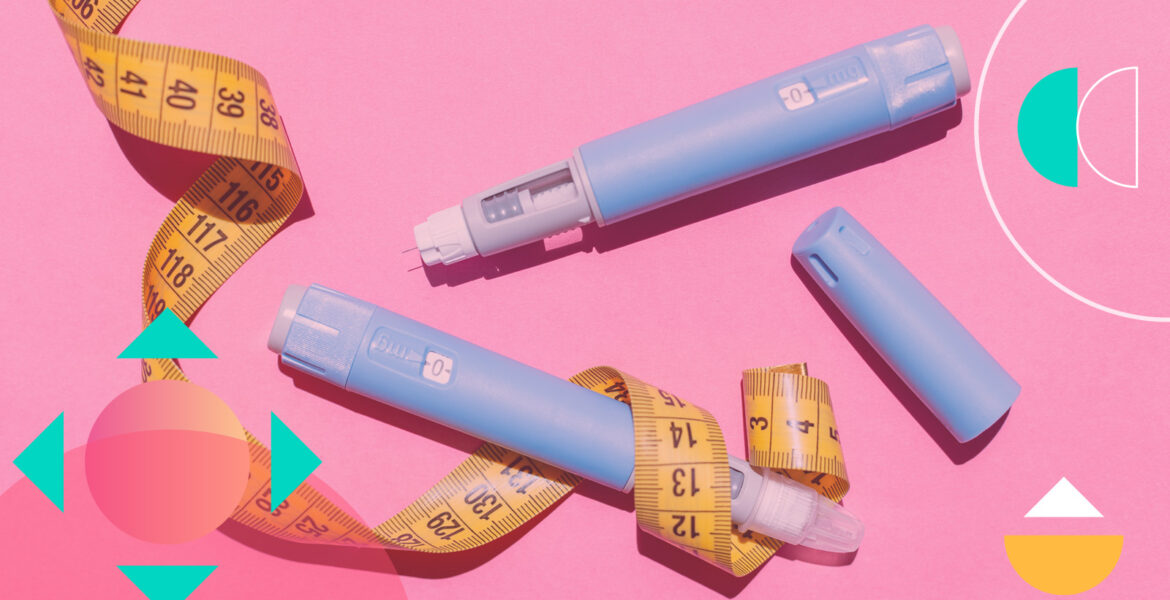
GLP-1s, longevity and women’s health aren’t just buzzwords, but essential business and brand growth strategies. These high growing health and wellness sectors are being driven by people building their own health stacks around consumer-centric brands providing support for the desire to live longer, healthier lives.
By Katie Chlada, Managing Director, Strategic Communications & Advisory Services, M+C Saatchi
While everyone in marketing is fixated on AI, another shift is already changing how people live, eat, travel and age — and it’s far more tangible in the short term.
Picture a woman in her late 40s. She’s on a GLP-1 to manage obesity and cardiometabolic risk. She’s on hormone therapy to support perimenopause. She’s lifting heavier to protect muscle; she’s buying food and beverages that offer more protein; she’s booked a “reset” weekend at a hotel with wellness experiences; she’s buying beauty products that promise to support “skin longevity.”
When she has questions, she doesn’t start with her doctor. She starts with Instagram, TikTok, WhatsApp groups, brand content, loyalty apps and creators she trusts.
She’s not an outlier. Nearly 1 in 8 U.S. adults now say they’re currently taking a GLP-1 drug, with usage highest among women 50–64. The wellness economy has hit $6.8 trillion, and is forecast to reach $9.8 trillion by 2029. It now equals 60% of global health/medical spending.
Consumers are not waiting for the existing healthcare system to catch up; they’re building their own health stacks around whatever feels personalized, accessible and effective.
Whether they planned to or not, brands across pharma, wellness, food, fashion, beauty, travel, and more have become part of consumers’ personal care team. The question is no longer if you’re in the health business. It’s what kind of caregiver you are going to be.
Why people are building their own health stacks
The GLP-1 boom didn’t happen in a vacuum. Prevention is not supported, women’s health is underfunded and under-researched, and too many conversations about weight, and similarly hormones and mental health, are soaked in stigma.
GLP-1s changed the equation by moving more of the journey into telehealth and direct-to-consumer platforms, where people feel they can pursue treatment and support with fewer gatekeepers and less judgment.
Once people see a medication move the needle on obesity and cardiometabolic risk, they start asking: “What else can I change?”. That’s how health stacks emerge: GLP-1s, hormone therapy, strength training, wellness travel, supplements, cosmetic treatments and brain-health scans all stitched together by the consumer — and often paid for out of pocket.
What it means for a brand to become a caregiver
In healthcare, caregiving is usually framed as strain and sacrifice. The role brands are stepping into looks different — and it’s one they should actively claim, not stumble into.
When a brand becomes part of someone’s health stack, its job is to make everyday life more liveable with vitality: to simplify the science, reduce stigma, and design products and experiences that fit the way people now eat, move, sleep and age.
In practice, that means:
- Acting as an educator — turning complex science into plain language anchored in real outcomes not vague “miracle” claims. And helping consumers with trusted content that can help them manage GLP-1s effectively and improve their health holistically.
- Creating cultural conversations and communities that celebrate bodies of all sizes — like JCPenney’s “Omitted” campaign with Ashley Graham — and futures that feel possible for real people managing their weight day-to-day.
- Designing products, services and experiences that make healthy choices feel personalized, easier and more enjoyable.
Done well, that kind of caregiving isn’t a burden. It’s how brands build lasting affinity and equity with consumers.
The GLP-1 ripple effect
You can already see this shift reshaping what brands make.
Food and beverage companies, faced with growing pressure from the increased accessibility of appetite-suppressing pills, are reformulating around the GLP-1 consumer who eats less but cares more about protein, fiber and how food makes them feel – there is even now more protein in your Pop-Tarts. This comes at a time when household grocery spending in the U.S. has been found to shrink 5.3% within the first six months of one person in the home taking a GLP-1.
Fitness and wellness brands are moving from “fat-burn” to healthspan. Trainers are building strength programs to protect lean mass and adapt to hormonal changes, while wellness travel now includes menopause clinics, metabolic reset retreats and performance-focused hotel concepts with diagnostics and coaching baked in.
Luxury beauty players are leaning into “skin longevity” and healthy-aging narratives, including products designed for GLP-1 and menopause-related changes.
Fashion brands are finding ways to own the resale market as women who are losing weight clear out entire wardrobes, causing a surge in thrifting and consignment spending. The U.S. secondhand market is now worth more than $50 billion.
The common thread is that marketing is shifting from selling wellness as an idea to showing the concrete ways brands can help consumers manage and take control of their health.
Playing the role safely and responsibly
None of this gives brands a license to be doctors.
GLP-1 telehealth platforms and celebrity-fronted campaigns have already shown what happens when the pendulum swings too far toward hype: aggressive before-and-after narratives, casual talk of “microdosing,” and very little discussion of who should not be on these medications or what long-term adherence realistically looks like. Regulators have started to push back. More is coming.
If you are going to claim a place in someone’s health stack, you have to assume regulation will tighten — on claims, targeting, influencer disclosures and data — and design your marketing for that future, not today’s gray zones.
You also can’t ignore equity. GLP-1s, HRT, scans and boutique longevity clinics are still out of reach for many. Pretending they are universal solutions is a fast way to lose credibility with the people who need support the most. Meet consumers where they are.
The brief for 2026
Brand leaders, you’re in the care business now, whether or not “health” is on your label. That means you need to play a more supportive role in people’s lives. Consider how you’re helping consumers feel better today and live longer with more confidence and vitality. That’s how you’ll win in the GLP-1 era.